
Apple’s Pricing Pitfall: A $150,000 Lesson in New Jersey Retail Compliance
In the bustling world of consumer electronics, where innovation often overshadows mundane regulations, Apple Inc. has found itself ensnared in a relatively modest but telling regulatory skirmish. The tech giant, renowned for its sleek stores and premium products, has agreed to pay a $150,000 fine to New Jersey authorities for failing to properly display prices in its retail outlets across the state. This settlement stems from violations of a nearly decade-old agreement, highlighting how even the most sophisticated companies can stumble over basic consumer protection rules.
The issue traces back to 2017, when Apple entered into a consent order with New Jersey’s Division of Consumer Affairs following complaints about unclear pricing and refund policies in its stores. Under that agreement, Apple promised to adhere strictly to the state’s Merchandise Pricing Act, which mandates that retailers clearly mark prices on merchandise or at the point of display. Fast-forward to 2025, and state inspectors discovered repeated lapses during routine checks at 11 Apple stores throughout New Jersey, from Short Hills to Atlantic City.
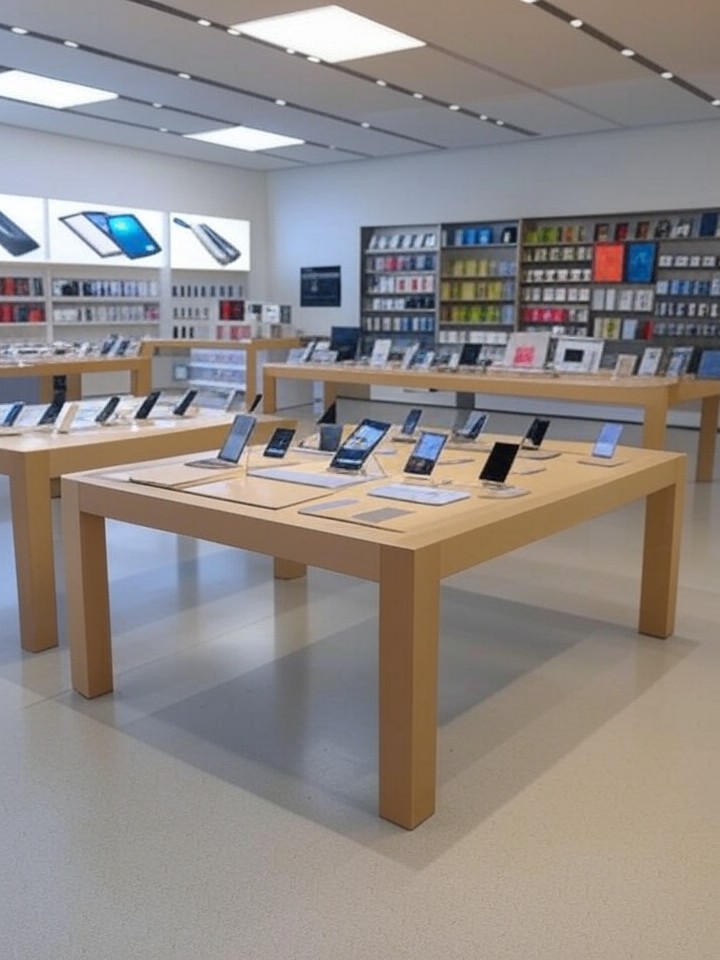
These violations weren’t isolated incidents but part of a pattern that regulators described as widespread. Items like iPhones, MacBooks, and accessories were often displayed without visible price tags, forcing customers to rely on employees or digital kiosks for information. This practice, while perhaps aligned with Apple’s minimalist aesthetic, ran afoul of laws designed to ensure transparency and prevent deceptive sales tactics.
A Decade-Old Pact Revisited
Attorney General Matthew J. Platkin, announcing the settlement, emphasized the importance of these rules in protecting consumers. “Clear pricing is fundamental to fair commerce,” Platkin stated in a press release from the New Jersey Office of the Attorney General. The agreement requires Apple not only to pay the civil penalty but also to implement changes in its business practices, including enhanced training for store employees and regular audits to ensure compliance.
This isn’t Apple’s first brush with regulatory scrutiny over retail practices, but it stands out for its focus on state-level consumer protections rather than broader antitrust concerns. Industry observers note that while $150,000 is a drop in the bucket for a company valued at trillions, the reputational hit and the mandate for operational changes could have longer-term implications. Apple’s stores are designed to be experiential showrooms, where the emphasis is on interaction rather than traditional shopping, but this approach has now clashed with legal requirements.
The settlement also includes provisions for Apple to post clear refund policies near cash registers and ensure that all displayed merchandise bears accurate pricing information. Regulators found that in many cases, prices were only available via electronic means or upon request, which violates the spirit of the law aimed at empowering shoppers to make informed decisions without needing assistance.
Broader Regulatory Pressures Mounting
This New Jersey case unfolds against a backdrop of intensifying global scrutiny on Apple’s business model. Just last year, the U.S. Department of Justice filed a major antitrust lawsuit against the company, alleging monopolistic practices in the smartphone market, as detailed in the Wikipedia entry on United States v. Apple (2024). That federal action draws parallels to past cases against Microsoft, accusing Apple of stifling competition through its App Store policies and ecosystem controls.
Internationally, Apple has faced similar challenges. In India, regulators are defending laws that base fines on global turnover to deter violations by multinationals, according to a report from Reuters. The Competition Commission of India has been probing Apple’s App Store practices, with potential penalties reaching billions, far eclipsing the New Jersey fine.
Closer to home, Brazil recently compelled Apple to allow third-party app stores on iOS devices to settle an antitrust case, as reported in another Reuters article. These developments illustrate a pattern where Apple’s tightly controlled ecosystem is being pried open by authorities worldwide, forcing concessions that could reshape how the company operates.
Insights from Social Media and Industry Sentiment
Public reaction on platforms like X has been a mix of sarcasm and criticism, with users highlighting the irony of a company that prides itself on user experience failing at basic retail transparency. Posts on X suggest a sentiment that Apple’s design philosophy sometimes prioritizes aesthetics over practicality, leading to these regulatory missteps. One thread pointed out how this fine, though small, adds to a narrative of accumulating pressures on Big Tech.
Industry insiders, speaking anonymously, suggest that Apple’s retail strategy has long emphasized a seamless, high-touch experience, which might inadvertently sideline compliance with varying state laws. In New Jersey, where consumer protection is robust, this oversight became costly. Reports from nj.com detail how all 11 stores were implicated, underscoring the systemic nature of the issue.
Comparisons to other retailers are inevitable. Competitors like Best Buy or independent electronics shops routinely display prices prominently to comply with similar laws, avoiding such pitfalls. Apple’s approach, while innovative, may need recalibration to navigate the patchwork of U.S. state regulations effectively.
Historical Context and Apple’s Response
Looking back, Apple’s 2017 agreement was born out of earlier complaints where customers felt misled about costs and returns. The state had previously warned the company, leading to the consent order. Yet, inspections in 2025 revealed that old habits persisted, with violations documented across multiple locations, as noted in coverage from MacTech.com.
Apple’s official response has been measured, with a spokesperson stating that the company is committed to complying with all local laws and enhancing customer experiences. Internally, sources indicate that the fine has prompted a review of retail protocols not just in New Jersey but potentially nationwide, to preempt similar issues elsewhere.
This incident also raises questions about corporate governance in tech giants. With Apple’s vast resources, how did such a straightforward compliance matter slip through? Analysts point to the challenges of scaling a uniform brand experience across diverse regulatory environments, where federal oversight often dominates attention over state-specific rules.
Implications for Retail Innovation
The settlement mandates specific changes, including the placement of price tags on or near products and clear signage for policies. For Apple, this could mean altering its iconic store layouts, which feature open tables and interactive displays without clutter. Industry experts speculate that digital solutions, like augmented reality price overlays via the Apple Store app, might be explored, though they must still meet legal standards.
Broader implications extend to other tech retailers. If Apple, with its meticulous attention to detail, can falter here, smaller players might face even greater risks. The case underscores the need for robust compliance teams focused on regional variations in consumer law.
Moreover, this fine arrives amid Apple’s ongoing battles in other arenas. In Europe, the Digital Markets Act has forced openings in app distribution, while in the U.S., the DOJ case could lead to structural changes. The New Jersey matter, though smaller, adds to the cumulative pressure, signaling that no aspect of Apple’s operations is immune to scrutiny.
Consumer Protection in the Digital Age
At its core, New Jersey’s action is about safeguarding shoppers in an era where retail blends physical and digital elements. Laws like the Merchandise Pricing Act date back decades, predating the smartphone revolution, yet they remain vital. Regulators argue that without visible prices, consumers are at a disadvantage, potentially leading to impulse buys or dissatisfaction.
Apple’s agreement to reform practices includes ongoing monitoring, with the state reserving the right to further inspections. This proactive stance reflects a growing trend where authorities are not just fining but mandating behavioral changes to prevent recidivism.
For consumers, the outcome is a win: clearer information in Apple stores should enhance trust and decision-making. Posts on X echo this, with some users expressing relief that everyday shopping annoyances are being addressed, even if the fine seems trivial compared to Apple’s profits.
Global Echoes and Future Challenges
Echoing global trends, India’s antitrust watchdog is pushing back against Apple’s attempts to minimize fines, as covered in AppleInsider. Such cases highlight how Apple’s global footprint invites multifaceted regulatory challenges, from pricing displays to app monopolies.
In the U.S., while the New Jersey fine is state-specific, it could inspire similar actions elsewhere. States like California and New York have stringent consumer laws, and Apple’s retail presence there is significant. Proactive compliance might become a priority to avoid a cascade of penalties.
Ultimately, this episode serves as a reminder that in the pursuit of cutting-edge retail experiences, foundational legal obligations cannot be overlooked. For Apple, adapting to these demands while maintaining its brand essence will be key to navigating future regulatory hurdles.
Strategic Adjustments Ahead
Looking forward, Apple may integrate compliance more deeply into its store design process. Training programs, already robust, could expand to cover state-specific nuances. Partnerships with legal experts on retail regulations might become standard.
The financial impact is negligible—Apple’s quarterly revenues dwarf the fine—but the operational tweaks could influence customer interactions. Will stores feel less “magical” with added signage? Or will Apple innovate around these requirements, perhaps through subtle, tech-infused solutions?
Industry watchers will monitor how this settlement plays out, especially as Apple faces larger existential threats from antitrust suits. In the grand scheme, this New Jersey chapter is a footnote, but it illustrates the persistent tension between innovation and regulation in tech retail.
Reflections on Corporate Accountability
This case also prompts reflection on accountability in an industry often seen as above the fray. Apple’s history includes past fines for issues like e-book pricing and employee poaching, as referenced in the DOJ’s ongoing lawsuit. Each infraction chips away at the company’s image, even if minimally.
For insiders, the lesson is clear: compliance isn’t optional, even for titans. As global pressures mount, Apple’s ability to adapt will define its trajectory in an increasingly scrutinized market.
Regulators, emboldened by successes like this, may pursue more aggressive enforcement, ensuring that consumer protections keep pace with technological advancements. In New Jersey, at least, Apple’s pricing practices are set for a transparent overhaul.


 WebProNews is an iEntry Publication