
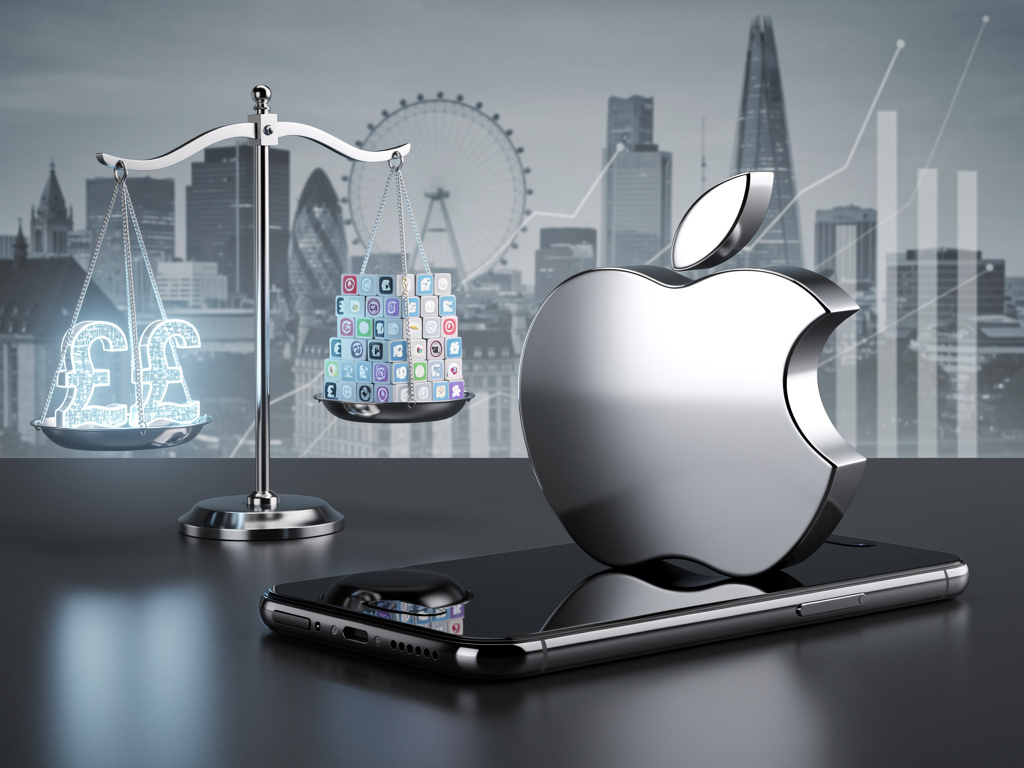
Apple’s Billion-Pound Battle: Challenging the UK App Store Overcharge Verdict
Apple Inc. has launched a fresh appeal against a landmark antitrust ruling in the United Kingdom, seeking to overturn a decision that could cost the company up to £1.5 billion in damages. The case centers on allegations that Apple overcharged millions of British consumers through its App Store fees between 2015 and 2024. According to reports, the tech giant has applied to the UK’s Court of Appeal, arguing that the earlier tribunal’s findings were based on flawed assumptions and “guesswork.”
The ruling stems from a class-action lawsuit brought by consumer advocate Richard Lloyd on behalf of approximately 36 million UK Apple users. The Competition Appeal Tribunal (CAT) determined that Apple’s commission rates on app purchases constituted an abuse of its dominant market position. If the appeal fails, affected consumers could each receive compensation, potentially reshaping how tech giants operate in regulated markets.
This development comes amid broader global scrutiny of Apple’s App Store practices, with similar challenges emerging in the European Union and the United States. Apple’s move to escalate the case highlights its determination to defend its business model, which relies heavily on revenue from app-related fees.
Escalating Legal Tensions
Industry observers note that Apple’s appeal is not just about the fine but about preserving control over its ecosystem. The original tribunal ruling, issued in October 2025, found that Apple had imposed unfair commissions on developers, which were then passed on to consumers. As detailed in a report from Reuters, the decision could lead to hundreds of millions in payouts if upheld.
Apple’s legal team contends that the CAT’s calculations were speculative, lacking concrete evidence of overcharging. In a statement, the company emphasized that its App Store provides value through security and innovation, justifying the fees. This argument echoes defenses used in other jurisdictions, where Apple has faced antitrust probes.
The appeal process could take months, potentially extending into 2026, according to legal experts. During this time, Apple must navigate not only this case but also parallel regulatory pressures, including EU mandates under the Digital Markets Act that force changes to app distribution.
Broader Implications for Tech Regulation
Consumer groups have hailed the initial ruling as a victory for fair competition. Richard Lloyd, the lead claimant, stated that the decision exposes how dominant platforms can exploit users. Posts on X (formerly Twitter) reflect public sentiment, with many users expressing frustration over high app prices and calling for greater accountability from tech firms.
In contrast, Apple argues that overturning the ruling is essential to prevent unfounded claims that could stifle innovation. The company’s filing to the Court of Appeal, as covered by The Guardian, highlights discrepancies in how damages were assessed, labeling them as based on “hypothetical scenarios” rather than actual harm.
This case is part of a wave of antitrust actions against Big Tech. For instance, in the US, the Department of Justice has accused Apple of monopolistic practices in smartphone markets, including restrictions on third-party apps and accessories.
Historical Context of App Store Disputes
The roots of this UK lawsuit trace back to 2017, when Lloyd first initiated proceedings, claiming Apple’s 30% commission on in-app purchases violated competition laws. The case gained momentum after the UK Supreme Court allowed it to proceed as a collective action in 2021, setting the stage for the recent tribunal decision.
Apple’s previous attempt to appeal was denied permission by the CAT in November 2025, as reported by Reuters in a separate update. Undeterred, the company has now directly approached the higher Court of Appeal, a move that underscores the high stakes involved.
Comparisons to other cases reveal patterns in Apple’s legal strategy. In the EU, Apple faced a €1.8 billion fine earlier in 2024 for similar App Store restrictions, primarily related to music streaming services like Spotify. That penalty is also under appeal, indicating a coordinated defense against global regulators.
Economic Ramifications for Consumers and Developers
If successful, Apple’s appeal could limit compensation to UK consumers, who might otherwise receive refunds averaging around £40 each, based on tribunal estimates. Advocacy groups argue this would deny justice to those overcharged for apps, games, and subscriptions over nearly a decade.
Developers, too, stand to benefit indirectly from the outcome. Lower commissions could encourage more innovation, as smaller app makers have long complained about Apple’s “tax” squeezing their margins. Recent news from Engadget notes that Apple’s escalation reflects concerns over a potential domino effect, where successful claims in one market inspire others.
Market analysts predict that a loss for Apple could force broader changes, such as allowing alternative payment systems or app stores on iOS devices. This shift is already underway in the EU, where sideloading became mandatory in 2024, though Apple has implemented it with additional fees that critics call “core technology charges.”
Strategic Moves in a Global Arena
Apple’s leadership, under CEO Tim Cook, has consistently portrayed these legal battles as threats to user privacy and security. In public statements, Cook has argued that opening the App Store to third-party alternatives could expose users to malware and fraud, a point reiterated in the UK appeal documents.
However, regulators counter that Apple’s dominance stifles competition. The UK’s Competition and Markets Authority (CMA) has been investigating Apple’s practices since 2021, with findings that align with the tribunal’s ruling. Integration of these probes could strengthen the case against Apple.
On X, discussions among tech enthusiasts and insiders reveal divided opinions. Some praise Apple’s ecosystem for its seamlessness, while others decry it as a walled garden that prioritizes profits over choice. These sentiments underscore the cultural divide in how consumers view tech monopolies.
Potential Outcomes and Future Precedents
Legal scholars suggest the Court of Appeal might focus on procedural issues, such as whether the CAT overstepped in certifying the class action. If the appeal succeeds on technical grounds, it could invalidate the entire ruling, forcing a retrial or dismissal.
Conversely, an upheld decision would embolden similar lawsuits worldwide. In Australia and India, regulators are eyeing Apple’s App Store with increasing scrutiny, potentially leading to a fragmented regulatory environment where Apple must adapt its model by region.
Apple’s stock has shown resilience amid these challenges, dipping only slightly after the initial ruling. Investors seem confident in the company’s ability to navigate legal hurdles, bolstered by its massive cash reserves exceeding $200 billion.
Intersections with International Antitrust Efforts
Drawing parallels to the US case, where the DOJ alleges Apple blocks super apps and degrades rival smartwatches, the UK appeal highlights interconnected global efforts to curb tech power. Posts on X from antitrust experts like Matt Stoller emphasize how these cases collectively challenge Apple’s gatekeeper status.
In Europe, the ongoing Spotify dispute, as mentioned in Epic Games CEO Tim Sweeney’s updates, illustrates the broader fight against app store monopolies. Apple’s appeals in multiple jurisdictions demonstrate a strategy of prolonged litigation to delay reforms.
The UK case also intersects with post-Brexit regulatory ambitions, as Britain seeks to establish itself as a tough enforcer of competition rules independent of the EU.
Industry Reactions and Expert Insights
Tech analysts from firms like Gartner predict that regardless of the outcome, Apple will face mounting pressure to reform. One expert, speaking anonymously, noted that the appeal buys time but doesn’t address underlying issues of market dominance.
Consumer watchdogs, including Which?, have urged the Court of Appeal to prioritize user interests. Their campaigns, amplified on social media, aim to rally public support for compensation.
Developers’ forums buzz with speculation, with many hoping for a precedent that reduces Apple’s control. Indie app creators, in particular, see this as a chance for fairer revenue sharing.
Long-Term Effects on Innovation
Beyond immediate financial implications, the appeal raises questions about how antitrust rulings influence technological advancement. Apple invests billions in R&D, arguing that its fees fund ecosystem improvements like enhanced privacy features.
Critics, however, point to stifled innovation, where competitors struggle to enter the market. A report from AppleInsider details Apple’s claim that the fine is based on “guesswork,” potentially deterring investment if such penalties become commonplace.
As the case progresses, it will test the balance between protecting consumers and fostering a competitive tech environment.
Navigating Regulatory Waves
Apple’s proactive stance in this appeal mirrors its responses elsewhere. For example, in complying with EU rules while challenging them in court, the company demonstrates a dual-track approach: adaptation and contestation.
The UK government’s recent digital markets bill empowers the CMA to impose stricter oversight, which could amplify the ruling’s impact if Apple loses.
Industry insiders speculate that settlements might emerge, with Apple offering concessions like reduced fees for certain app categories to avoid prolonged litigation.
Evolving Public and Policy Discourse
Public discourse, as seen in X posts from users like Daily Mail sharing appeal news, reflects growing awareness of tech overreach. This awareness fuels policy changes, with lawmakers debating bills to break up monopolies.
In academia, papers on antitrust economics cite Apple’s cases as textbook examples of platform dominance. Professors argue that appeals like this prolong necessary reforms, allowing companies to maintain status quo profits.
Ultimately, the outcome could redefine how global tech firms operate, ensuring more equitable markets for users and developers alike.
Reflections on Corporate Accountability
As Apple pushes forward with its appeal, the case serves as a litmus test for corporate accountability in the digital age. With billions at stake, the resolution will influence not just Apple but the entire sector.
Stakeholders from investors to app users watch closely, anticipating shifts that could democratize access to technology.
In this high-stakes legal drama, Apple’s gamble underscores the tensions between innovation, profit, and regulation in an increasingly interconnected world.


 WebProNews is an iEntry Publication