
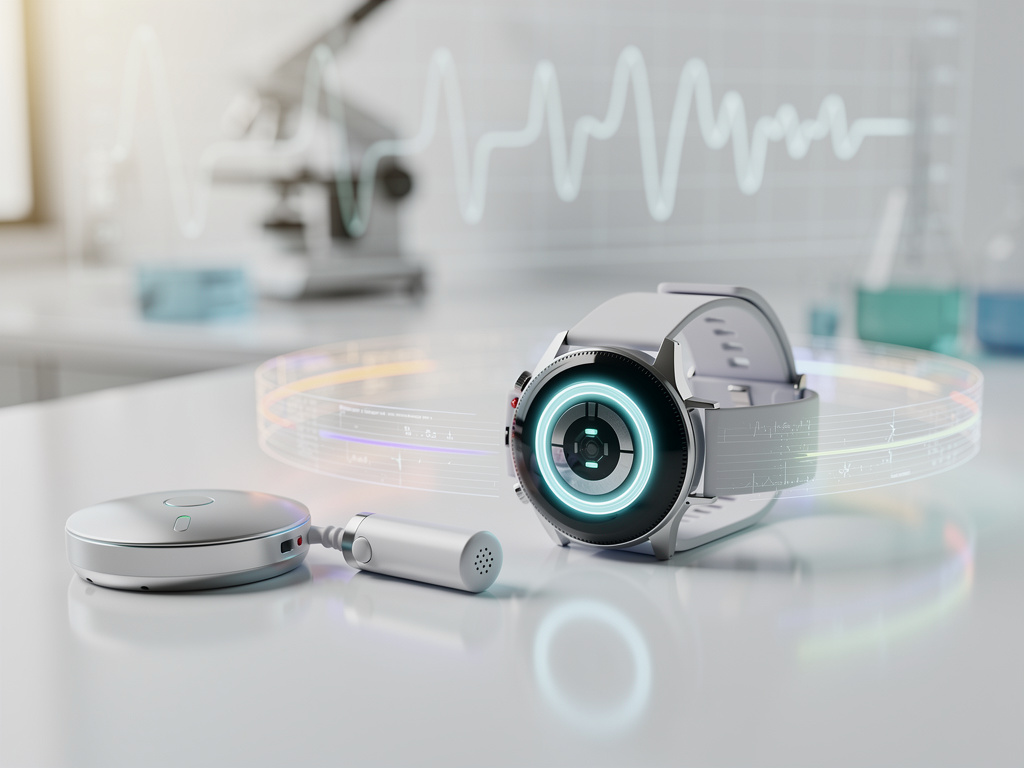
Unlocking the Wrist: Apple’s Relentless Pursuit of Non-Invasive Blood Sugar Tech
In the ever-evolving world of wearable technology, Apple Inc. has long positioned its Apple Watch as more than just a timepiece or fitness tracker—it’s a potential lifeline for health management. Recent advancements in blood sugar monitoring have thrust the device back into the spotlight, promising to transform how millions of people with diabetes handle their condition. As of early 2026, Apple has made strides in integrating continuous glucose monitoring (CGM) systems, but the holy grail of non-invasive blood sugar tracking remains a work in progress, fraught with technical hurdles and regulatory mazes.
The journey began years ago, with whispers of Apple’s ambitions surfacing as early as 2021. Back then, surveys sent to Apple Watch users hinted at the company’s interest in glucose monitoring apps, signaling a strategic pivot toward advanced health features. Fast-forward to today, and the Apple Watch supports third-party CGM devices like the Dexcom G7, allowing users to view real-time blood sugar data directly on their wrists. This integration marks a significant milestone, enabling seamless tracking without the need for constant finger pricks, though it still relies on invasive sensors inserted under the skin.
Yet, Apple’s vision extends far beyond partnerships. Insiders and reports indicate the tech giant has been laboring on a proprietary non-invasive method for over a decade, aiming to measure glucose levels through optical sensors without breaking the skin. This technology could revolutionize diabetes care, offering a discreet, everyday tool for the estimated 537 million adults worldwide living with the condition, according to global health estimates.
Breakthroughs Amid Persistent Challenges
Recent developments have injected fresh optimism into Apple’s efforts. A major breakthrough was highlighted in a January 2026 article from Gadget Hacks, detailing how Apple’s research has advanced sensor accuracy, potentially reshaping blood sugar management for millions. The piece underscores the integration of AI-driven algorithms that analyze light absorption patterns in the blood, a technique Apple has been refining in secretive labs.
Complementing this, 9to5Mac reported earlier this month on a new tech launch that brings Apple Watch blood sugar monitoring a step closer. The article revisits Apple’s foundational goals, noting that the company envisioned glucose tracking from the Apple Watch’s inception. This aligns with historical accounts, such as a 2023 post on X from MacRumors, which estimated the feature was still three to seven years away at the time— a timeline that now seems prescient as we approach potential rollouts.
However, challenges abound. Technical obstacles include the difficulty of accurately detecting glucose molecules through skin and tissue without invasive means. Sources like TechRepublic emphasize that while the Apple Watch currently supports CGM devices, true non-invasive tracking is a long-term project. The article, updated just hours ago, points to ongoing work involving spectroscopy and machine learning, but warns that full implementation could still be years off.
Competitive Pressures and Emerging Innovations
The race isn’t Apple’s alone. Competitors like Samsung and startups are also chasing non-invasive glucose monitoring, intensifying the pressure. A fascinating development comes from PreEvnt’s Isaac device, described in a WIRED feature as a necklace-style monitor that measures blood sugar without skin pricks, using breath analysis. This innovation, entering human trials, could pave the way for similar tech in wearables, potentially influencing Apple’s strategies.
Echoing this, T3 explored how such breath-testing gadgets might accelerate Apple’s timeline, suggesting the underlying sensor technology is finally maturing. Meanwhile, Cult of Mac posits that the PreEvnt Isaac could “blaze a path” for Apple Watch integration, highlighting trials that demonstrate feasibility in non-traditional form factors.
On social platforms like X, sentiment reflects a mix of excitement and skepticism. Posts from industry watchers, such as those from medical professionals and tech enthusiasts, discuss the transformative potential of wrist-based clinics, with one noting how smartwatches have evolved from basic fitness trackers to tools for ECGs and sleep apnea detection. Another highlights the competitive edge, predicting that the first company to crack non-invasive glucose monitoring could dominate the diabetes market.
Regulatory Hurdles and Ethical Considerations
Navigating the regulatory environment presents another layer of complexity. The U.S. Food and Drug Administration (FDA) demands rigorous validation for medical devices, especially those claiming diagnostic accuracy. Apple’s history with health features, like the blood oxygen sensor that faced patent disputes leading to temporary feature disables, underscores these risks. As detailed in a recent X post thread, Apple has opted for feature removals over licensing deals in past conflicts, a strategy that could recur if glucose tech encounters similar intellectual property battles.
Moreover, ethical questions arise around data privacy and accessibility. With health data becoming increasingly digitized, concerns about how Apple handles sensitive glucose information are paramount. Reports from sources like Moneycontrol suggest that breath-based sensors in trials could align with Apple’s ambitions, but emphasize the need for robust privacy safeguards to prevent misuse.
Industry insiders point to Apple’s internal battles, as revealed in older coverage. A 2023 X post from 9to5Mac referenced the original Apple Watch’s intended inclusion of blood sugar monitoring, derailed by health feature disputes within the company. This historical context illustrates the persistence required to bring such innovations to market.
Timeline Projections and Market Impact
Looking ahead, projections vary. A 2025 report from AppleInsider rumored that the Apple Watch 13, slated for 2027, might be the first to feature built-in blood sugar monitoring. This timeline was tempered by Bloomberg’s Mark Gurman, who in a 2025 MacRumors piece stated the technology remains “many years away” despite over 15 years of development. Gurman’s insights, shared in a 2024 X post, highlight the sensor and AI challenges, alongside regulatory approvals.
Market implications are profound. Successful non-invasive monitoring could expand Apple’s ecosystem, integrating with apps like Health and potentially linking to insulin delivery systems. X discussions from diabetes communities underscore the demand, with users sharing stories of closed-loop systems that rely on smartphones for CGM and pump communication, hinting at a future where the Apple Watch serves as a standalone hub.
However, not all forecasts are rosy. A 2023 MacRumors post on X reiterated that Apple’s noninvasive tech had reached a “proof-of-concept” stage, but scaling to consumer reliability is the real test. Recent X chatter about competing devices, like Garmin’s past issues with connectivity, reminds us that even established players struggle with consistency.
Apple’s Broader Health Ambitions
Apple’s push into glucose monitoring fits into a larger narrative of health innovation. The company has already introduced features like irregular heart rhythm notifications and fall detection, building a portfolio that positions the Apple Watch as a medical-grade device. Yet, as a recent X post from a medical commentator noted, the wrist is becoming a “tiny clinic,” with blood sugar as the next frontier alongside hypertension screening.
Challenges in related areas, such as blood pressure monitoring delayed by design issues as per a 2024 9to5Mac post on X, illustrate the interconnected nature of these advancements. Apple’s approach often involves iterative improvements, learning from partnerships like Dexcom to refine its own tech.
For industry observers, the key takeaway is patience. While breakthroughs like those in Gadget Hacks and 9to5Mac reports fuel hype, the path to non-invasive glucose tracking involves overcoming physics, biology, and bureaucracy. Apple’s secrecy adds intrigue, but leaks and surveys—dating back to a 2021 India Today article—reveal a consistent focus.
The Road Ahead for Wearable Health
As we stand in 2026, the integration of CGM support in the Apple Watch, as covered in TechRepublic, represents tangible progress. Users can now pair devices like the Dexcom G7 for real-time insights, a feature that’s already changing lives by providing alerts for hypo- or hyperglycemic events.
Emerging tech like PreEvnt’s Isaac, praised in WIRED and T3, suggests alternative paths that Apple might adapt. Breath analysis, for instance, could complement wrist-based sensors, offering hybrid solutions.
Ultimately, Apple’s quest embodies the intersection of technology and healthcare. With posts on X buzzing about potential disruptions to the diabetes industry, the anticipation is palpable. If Apple succeeds, it could not only dominate wearables but also set new standards for proactive health management, turning science fiction into everyday reality for millions. The journey, marked by incremental wins and persistent hurdles, continues to unfold, promising a future where monitoring blood sugar is as simple as glancing at your wrist.


 WebProNews is an iEntry Publication