
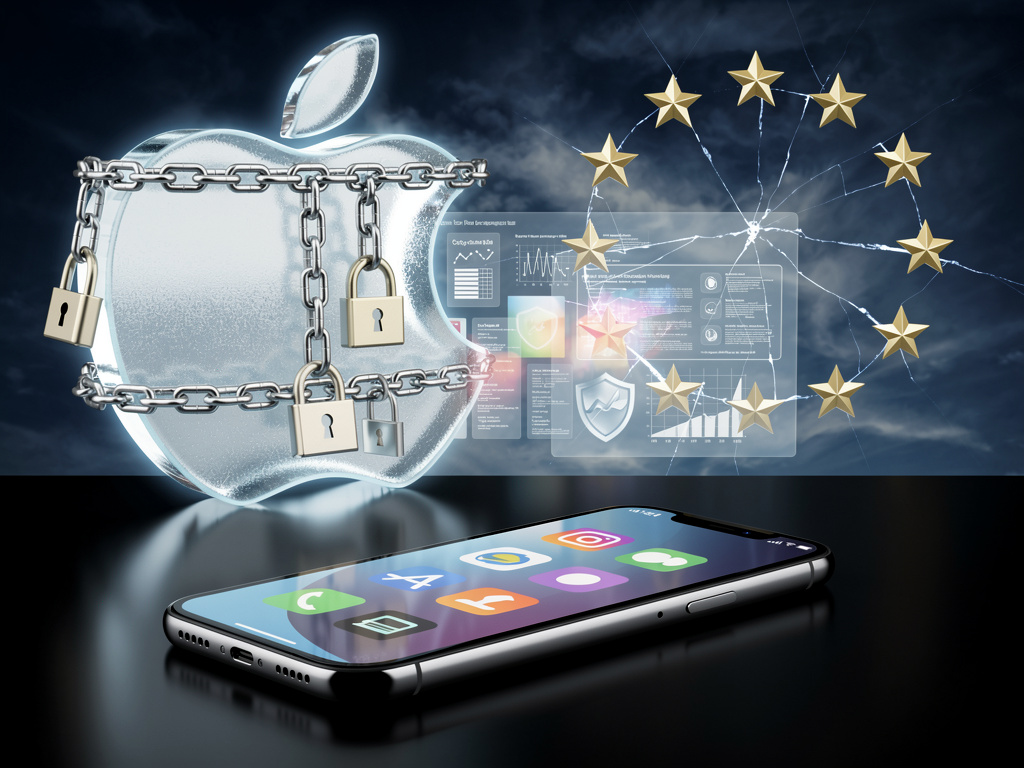
Apple’s Bitter Standoff: Charging EU With Tactical Stalls in the Battle for App Store Dominance
In a sharp escalation of tensions between Silicon Valley giants and European regulators, Apple Inc. has publicly accused the European Commission of employing “political delay tactics” to hinder its proposed changes to the App Store. This claim, made in a statement to Bloomberg, comes amid ongoing scrutiny under the Digital Markets Act (DMA), which aims to foster competition in the tech sector. Apple’s frustration boiled over following the announcement by software developer MacPaw that it would shutter its alternative iOS app marketplace, Setapp Mobile, in the European Union due to cumbersome business terms imposed by the iPhone maker.
The controversy centers on Apple’s efforts to comply with the DMA, a landmark regulation that took effect in 2024 and designates companies like Apple as “gatekeepers” required to open their platforms to greater competition. Under the law, Apple was compelled to allow third-party app stores on iOS devices in the EU, a move that disrupted its long-standing control over app distribution. However, Apple has introduced a complex fee structure for these alternative marketplaces, including a Core Technology Fee of 0.50 euros per install after the first million annually, which critics argue undermines the spirit of the regulation.
Apple submitted a formal compliance plan in October 2025, outlining adjustments to its App Store policies, but claims the Commission has yet to respond, effectively stalling implementation. “The European Commission has refused to let us implement the very changes that they requested,” Apple stated, as reported in MacRumors. The company alleges this inaction is a pretext for launching investigations and imposing fines, painting the regulators as moving the goalposts to target an American firm unfairly.
Roots of the Regulatory Clash
The DMA’s enforcement has been a flashpoint since its inception, with Apple repeatedly voicing concerns over potential security risks and user experience degradation. In a September 2025 statement on its website, Apple detailed how the regulation forced delays or cancellations of features like advanced AI integrations for EU users, citing uncertainties in compliance. This pattern of pushback has intensified, with Apple now framing the Commission’s delays as politically motivated.
Industry observers note that Apple’s fee structure, while technically allowing alternative app stores, creates significant barriers for smaller developers. MacPaw’s decision to sunset Setapp Mobile on February 16, 2026, underscores these challenges. The company cited “complex business terms that don’t fit Setapp’s current business model,” without elaborating further, but the implication is clear: Apple’s rules make it economically unviable for some alternatives to thrive.
Echoing this sentiment, posts on X (formerly Twitter) from tech influencers and executives highlight growing frustration. For instance, Epic Games CEO Tim Sweeney has criticized Apple’s compliance efforts as intentionally obstructive, pointing to “scare screens” and other hurdles that deter users from sideloading apps. While these social media sentiments reflect broader industry discontent, they also illustrate the polarized views on whether Apple’s measures protect users or stifle competition.
Apple’s Strategic Counteroffensive
Apple’s latest accusation isn’t isolated; it builds on a history of legal and public relations battles with the EU. In 2025, Apple challenged the DMA directly, urging regulators to reconsider the law after claiming it exposed users to malware via third-party stores. Reports from Bloomberg indicate that Apple views the Commission’s silence on its compliance plan as a deliberate strategy to justify penalties, potentially in the billions, under the DMA’s provisions for non-compliance.
The iPhone maker’s statement emphasizes that the proposed changes were precisely what the Commission demanded, yet bureaucratic inertia has prevented their rollout. This narrative positions Apple as a cooperative entity thwarted by regulatory overreach, a tactic that resonates with its American audience amid transatlantic trade tensions. Indeed, with the return of a business-friendly administration in the U.S., some X posts suggest Apple is leveraging geopolitical shifts to pressure the EU, with one prominent account noting the company’s alignment with figures who criticize European regulations as anti-American.
For industry insiders, this feud reveals deeper fissures in global tech governance. Apple’s App Store generates billions in revenue through its 30% commission on in-app purchases, a model the DMA seeks to dismantle by enabling sideloading and alternative payment systems. However, Apple’s introduction of the Core Technology Fee shifts the financial burden, ensuring it retains significant income streams even as competition increases.
Impact on Developers and Market Dynamics
The shutdown of Setapp Mobile is a tangible casualty in this regulatory war. MacPaw, known for its subscription-based app service, launched the marketplace in 2024 as one of the first alternatives under the DMA. Its closure highlights how Apple’s terms—requiring marketplaces to handle payments, provide customer support, and pay fees—can deter innovation. As detailed in coverage from iClarified, Apple argues that without swift approval from the Commission, it cannot refine these terms to make them more palatable.
Broader market effects are evident in the hesitancy of other developers to enter the fray. Only a handful of alternative app stores have emerged in the EU, far below expectations, partly due to Apple’s notarization process, which reviews apps for security but adds layers of complexity. Critics, including those on X, accuse Apple of using this process to maintain de facto control, with one developer lamenting the “notarization obstructions” that slow down distribution.
From a financial perspective, the stakes are enormous. The EU represents a key market for Apple, with millions of iOS users. Any fines imposed by the Commission could rival the 1.8 billion euros levied in 2024 for antitrust violations related to music streaming. Apple’s preemptive strike via public statements may be aimed at shaping public opinion and influencing ongoing investigations, as the company prepares for potential appeals in European courts.
European Commission’s Stance and Broader Implications
The European Commission has not yet issued a direct response to Apple’s accusations, but sources familiar with the matter suggest regulators are meticulously reviewing proposals to ensure they fully align with DMA objectives. Past statements from the Commission, as reported in various outlets, emphasize that gatekeepers must not circumvent the law through convoluted fee structures. This careful approach, while methodical, fuels Apple’s narrative of deliberate delays.
In the wider context, this dispute exemplifies the challenges of regulating Big Tech across borders. Similar tensions have arisen in other jurisdictions; for example, India’s Competition Commission recently warned Apple against stalling in an antitrust probe, as covered in The Times of India. Such parallels indicate a global pushback against Apple’s ecosystem dominance, with regulators in Asia and Europe coordinating efforts to some degree.
Industry analysts predict that if the Commission approves Apple’s plan with modifications, it could set precedents for how other gatekeepers like Google and Meta adapt. However, persistent delays might lead to escalated fines or even structural remedies, such as forcing Apple to divest parts of its App Store operations—though that’s considered unlikely at this stage.
Voices from the Tech Community and Future Outlook
Tech community reactions, particularly on platforms like X, reveal a divide. Supporters of Apple argue that the company’s security concerns are valid, with one prominent designer noting that the DMA risks exposing users to vulnerabilities without adequate safeguards. Conversely, critics like game developers see Apple’s tactics as protectionist, designed to preserve monopoly rents at the expense of innovation.
Looking ahead, the resolution of this standoff could reshape app distribution models worldwide. If Apple succeeds in framing the delays as political, it might embolden other U.S. firms to challenge EU regulations more aggressively. Recent X posts even speculate on potential U.S. intervention, with references to trade negotiations under the current administration pressuring Europe to ease up.
For developers, the uncertainty prolongs a limbo where alternative marketplaces struggle to gain traction. MacPaw’s exit may not be the last, potentially consolidating power back to Apple’s App Store despite the DMA’s intentions. As one X user put it, the real losers are EU consumers, deprived of choices due to regulatory tug-of-war.
Strategic Maneuvers and Long-Term Ramifications
Apple’s public broadside against the Commission is a calculated move in a high-stakes game. By accusing regulators of political motivations, the company shifts the narrative from its own compliance shortcomings to alleged bias, potentially rallying support from investors and policymakers. Financial markets have taken note, with Apple’s stock experiencing minor fluctuations amid the news, as tracked in real-time updates.
The involvement of third parties like MacPaw adds credibility to Apple’s claims, illustrating real-world fallout from the delays. Yet, skeptics point out that Apple’s fee structure was designed to be prohibitive, prompting the very shutdowns that now fuel its arguments. This circular logic underscores the complexity of enforcing competition in closed ecosystems.
Ultimately, this episode highlights the evolving dynamics between innovation-driven companies and regulators seeking to level the playing field. As the DMA enters its third year, its effectiveness will be judged by whether it truly opens markets or merely sparks endless litigation. For now, Apple’s accusations keep the pressure on Brussels, ensuring that the battle for control over digital marketplaces remains fiercely contested. With no immediate resolution in sight, industry watchers anticipate further escalations, potentially influencing tech policy on both sides of the Atlantic for years to come.


 WebProNews is an iEntry Publication