
Decoding the Digital Artisan: Anthropic’s Claude Code and Its Rapid-Fire Evolutions
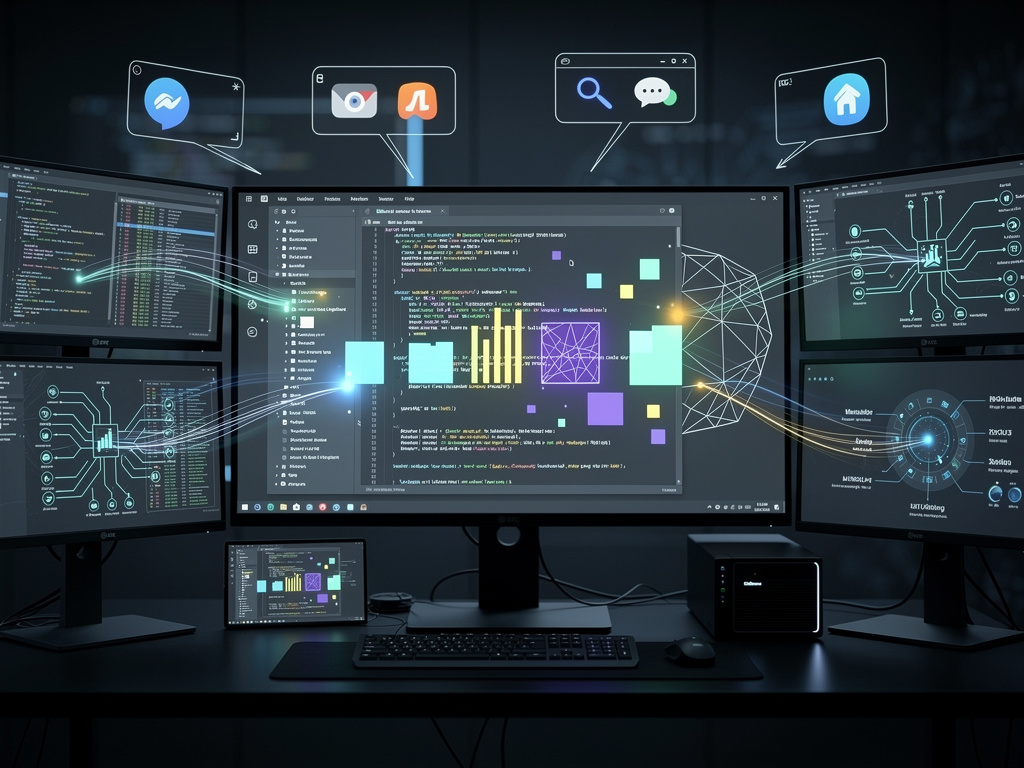
In the fast-paced world of artificial intelligence, where tools are reshaping how developers interact with code, Anthropic’s Claude Code stands out as a terminal-based powerhouse. Launched as an agentic coding assistant, it integrates seamlessly into developers’ workflows, understanding codebases, executing tasks, and even managing version control. Recent updates, detailed in the project’s changelog on GitHub, reveal a tool that’s not just keeping pace but accelerating ahead, with enhancements that address user pain points and introduce sophisticated features. This deep dive explores the intricacies of these developments, drawing from official repositories and community discussions to paint a comprehensive picture of Claude Code’s trajectory.
The changelog, accessible via GitHub, chronicles a series of releases that have transformed Claude Code from a promising prototype into a robust utility. For instance, the jump to version 2.0.75, as noted in the npm registry at npm, includes optimizations for prompt handling and integration with external tools. These changes aren’t mere tweaks; they reflect Anthropic’s commitment to making AI-assisted coding more intuitive and efficient. Developers can now leverage Claude to navigate complex repositories, automate repetitive tasks, and even debug with greater precision, all from the comfort of their terminal.
Beyond the technical specifics, the evolution of Claude Code mirrors broader trends in AI integration within software development. Posts on X, formerly Twitter, highlight user excitement around features like real-time file editing and GitHub management, with one influential thread from late 2024 praising its ability to control browsers and search local machines. This sentiment underscores how Claude Code is bridging the gap between human intent and machine execution, allowing coders to delegate mundane aspects of their work while focusing on creative problem-solving.
Efficiency Gains and User-Centric Innovations
Delving deeper into the changelog, recent entries emphasize memory efficiency improvements, such as the 3x boost in version 2.0.70, which has been a hot topic in developer circles. This update, discussed in a Reddit post on r/ClaudeAI, includes CLI enhancements like using the Enter key to submit prompt suggestions instantly, streamlining the interaction process. Such features reduce cognitive load, enabling faster iterations in coding sessions. Anthropic’s approach here is methodical, building on feedback loops from the community to refine the tool’s responsiveness.
Moreover, the integration of agent skills, as reported in a VentureBeat article from VentureBeat, positions Claude Code as part of a larger ecosystem. This open standard allows users to teach the AI repeatable workflows, a capability that’s now being adopted by major players like Microsoft and OpenAI. For industry insiders, this means Claude isn’t just a standalone tool but a foundational element in collaborative environments, potentially revolutionizing team-based development.
The changelog also reveals bug fixes that address persistent issues, like the flickering bug mentioned in X posts from December 2025. While users have voiced frustrations, Anthropic’s rapid release cycle—evident in versions 2.0.74 and beyond—demonstrates agility in responding to real-world usage. This iterative process ensures that Claude Code remains reliable, even as it scales to handle more complex tasks such as multi-file edits and workflow automation.
Expanding Horizons: Browser and Slack Integrations
Anthropic’s ambitions extend beyond the terminal, with recent developments integrating Claude Code into browsers and collaboration platforms. A PCMag report at PCMag details the new Chrome extension, which enables Claude to navigate websites, fill forms, and manage tabs autonomously. This expansion, tied to changelog updates for browser control, blurs the lines between coding and web-based tasks, offering developers a unified AI companion across digital environments.
In parallel, integrations with Slack, as covered by Small Business Trends in Small Business Trends, turn communication channels into coding hubs. Teams can now collaborate in real-time, with Claude assisting in code reviews and debugging directly within chats. This feature, built on prompt improvements from the changelog, enhances productivity by embedding AI intelligence into everyday workflows, a move that’s particularly appealing for remote and distributed teams.
Community feedback, gleaned from X discussions, praises these integrations for their seamlessness. One post from December 2025 highlights the browser extension’s rollout from testing phases, noting its synergy with terminal-based Claude Code. Such endorsements suggest that Anthropic is not only innovating but also listening, refining features based on how developers actually use the tool in diverse settings.
System Prompts and Transparency in AI Design
A fascinating aspect of Claude Code’s updates involves the revelation of system prompts, as explored in a Vibe Sparking AI blog post from Vibe Sparking AI. These prompts, which guide the AI’s behavior, have been made more accessible, providing insights into how Claude processes tasks like conflict management in prompt files. For insiders, this transparency demystifies the “black box” of AI, allowing for better customization and understanding of the tool’s decision-making.
The changelog corroborates this with entries on prompt changes in version 2.0.74, including enhancements for handling user modifications alongside Anthropic’s updates. This dual-focus ensures stability while empowering users to tailor the AI to their needs. As SD Times noted in their weekly AI update at SD Times, making agent skills an open standard furthers this ethos, inviting broader adoption and innovation across the industry.
X posts from developers like those tracking changelogs emphasize the value of these revelations. They discuss how exposed prompts enable reverse-engineering of features, fostering a community-driven evolution. This collaborative spirit is evident in repositories and forums where users share custom prompts, extending Claude Code’s utility beyond its out-of-the-box capabilities.
Performance Benchmarks and Enterprise Readiness
Performance metrics from recent releases paint Claude Code as increasingly enterprise-ready. The introduction of Claude Opus 4.5, as detailed in a CNBC article from CNBC, boasts excellence in coding and complex tasks, with changelog updates aligning to support these models in the terminal environment. Benchmarks show reduced hallucination rates and expanded context windows, making it suitable for large-scale projects.
Axios, in their coverage at Axios, highlights how these updates tailor AI to real work patterns, with features like scheduled tasks and orderly processing. For businesses, this translates to measurable efficiency gains, where Claude Code can manage entire workflows, from initial coding to deployment.
User anecdotes on X reinforce these claims, with developers reporting faster turnaround times on projects. One thread from mid-2025 discusses the 200K token context window’s impact, allowing Claude to handle massive codebases without losing track. This capability, refined through changelog iterations, positions Claude Code as a competitive alternative to rivals like OpenAI’s offerings.
Challenges and Community Responses
Despite the advancements, challenges persist, as evidenced by ongoing bug reports in the changelog and community forums. The flickering issue, for example, has drawn ire in X posts, with users demanding fixes even as new features roll out. Anthropic’s response, through frequent updates like 2.0.75, shows a proactive stance, but it also highlights the complexities of maintaining an AI tool that’s deeply integrated into users’ daily routines.
Releasebot’s changelog browser at Releasebot provides a historical view, revealing patterns in Anthropic’s development cycle. Rapid releases address immediate concerns while building toward long-term stability, a balance that’s crucial for retaining developer trust.
In X conversations, there’s a mix of enthusiasm and constructive criticism. Posts from December 2025 urge following official changelogs for reliable tracking, underscoring the importance of direct sources amid the noise of social media. This dynamic interaction between Anthropic and its users drives continuous improvement, ensuring Claude Code evolves in step with developer needs.
Future Trajectories and Industry Implications
Looking ahead, the trajectory outlined in the changelog suggests even greater integrations and capabilities. With features like code inpainting teased in earlier X posts, Claude Code could soon offer in-line editing and explanations, further embedding AI into the coding process. This aligns with Anthropic’s broader strategy, as seen in their API updates and SDK enhancements, to create a cohesive AI ecosystem.
ClaudeLog’s comprehensive changelog at ClaudeLog compiles these developments, offering insiders a one-stop resource for tracking progress. As the tool matures, its implications for the industry are profound, potentially shifting how software is built, maintained, and scaled.
Ultimately, Claude Code’s updates reflect a maturing field where AI isn’t just assistive but transformative. By addressing user feedback and pushing technical boundaries, Anthropic is crafting a tool that could redefine developer productivity for years to come, fostering innovation in ways that extend far beyond the terminal.


 WebProNews is an iEntry Publication