
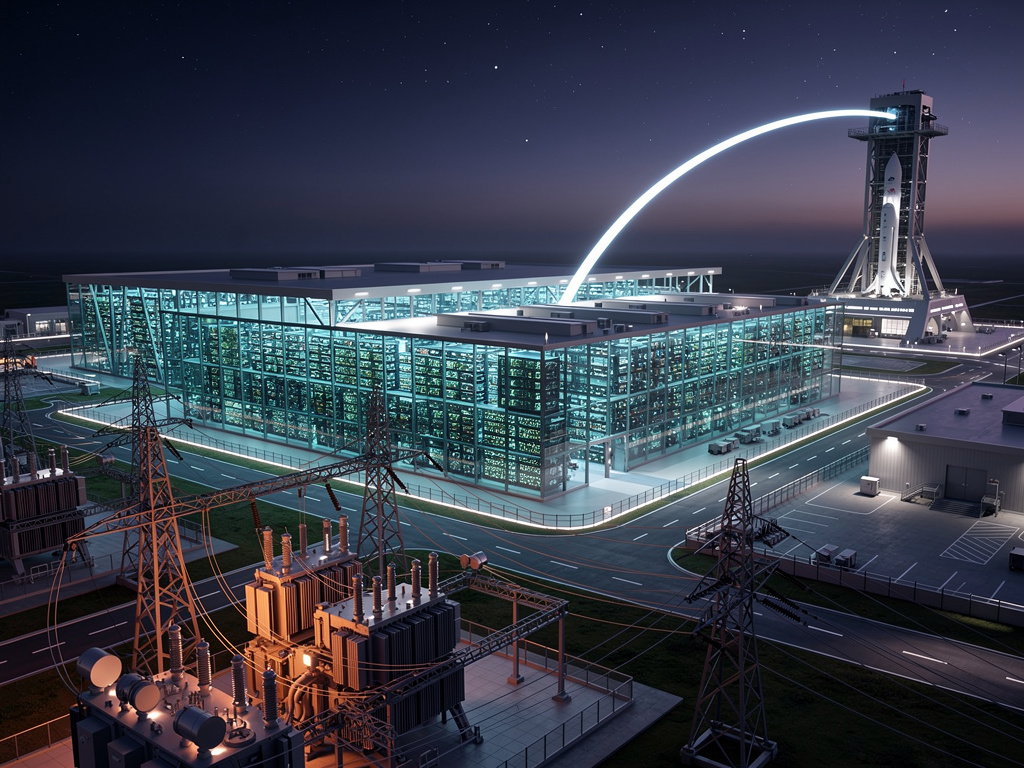
Anthropic announced a major compute agreement with SpaceX on May 6, 2026. The deal hands the AI company full access to the Colossus 1 data center in Memphis. That facility packs more than 220,000 NVIDIA GPUs and delivers over 300 megawatts of capacity. Anthropic wasted no time. It raised usage limits across Claude Code and the API the same day.
The changes hit hard and fast. Pro, Max, Team and seat-based Enterprise plans now see their five-hour rate limits for Claude Code doubled. Peak-hour restrictions on Claude Code disappear for Pro and Max users. API rate limits for Claude Opus models jumped considerably too. Customers who hit walls before can push harder now.
From Throttles to Capacity
These adjustments address real pain points. Developers and engineers complained for months about tight constraints during heavy coding sessions. Claude Code, Anthropic’s tool aimed at software work, often slowed under load. No more. The extra headroom comes straight from the new power source.
Dario Amodei, Anthropic’s CEO, tied the moves to surging demand. The New York Times reported Amodei expects the company could grow 80 times this year after planning for only 10 times. Revenue run rate already cleared $30 billion. That scale demands infrastructure. Fast.
But the partnership carries extra weight. SpaceX belongs to Elon Musk. Musk once criticized Anthropic sharply. He has called some safety-focused AI efforts misguided. Yet here stands a practical transaction. SpaceX gains a high-profile customer for its data center assets. Anthropic gets immediate relief. Reuters described the arrangement as a “détente” in a competitive field where Musk also runs xAI.
The agreement doesn’t stop at ground-level compute. Anthropic expressed interest in working with SpaceX on multiple gigawatts of orbital AI capacity. That idea sounds futuristic. It points to longer-term thinking about where and how future models train and run. Data centers in space could sidestep earthly power and land constraints. Both organizations bring relevant expertise. SpaceX launches rockets. Anthropic builds large models.
This deal joins a string of compute pacts. Anthropic already locked in an up-to-5-gigawatt agreement with Amazon that adds nearly 1 GW by the end of 2026. A separate 5 GW deal with Google and Broadcom starts delivering in 2027. Microsoft and NVIDIA supply $30 billion in Azure capacity. Fluidstack factors into a $50 billion investment in U.S. AI infrastructure. The company runs workloads across AWS Trainium chips, Google TPUs and NVIDIA GPUs. Diversification reduces risk.
International angles matter too. Enterprise buyers in finance, healthcare and government insist on data residency. Anthropic plans to expand inference capacity in Asia and Europe through the Amazon collaboration. It picks partners in nations with stable legal systems and secure supply chains. The firm also committed to covering consumer electricity price hikes caused by its U.S. data centers. Talks continue about extending similar promises abroad and investing in host communities.
Analysts see the SpaceX move as pragmatic. Demand for Claude keeps climbing. XDA Developers noted the awkward overlap since SpaceX owns xAI, creator of rival Grok. Still, compute has become a tradable commodity. Bloomberg reported the pact directly addresses Anthropic’s need to meet customer hunger for its coding assistant and chat models.
Ars Technica covered the announcement from Anthropic’s Code with Claude developer conference. There, executives framed the extra capacity as fuel for both subscribers and internal progress. The Verge highlighted how the changes remove friction for dedicated users who previously watched usage meters too closely.
Yet limits still exist. The new API ceilings for Opus appear in a table on Anthropic’s announcement page. They represent a significant step up but reflect the reality that even vast GPU clusters fill quickly when thousands of developers hammer away at complex tasks. Axios quoted Anthropic head of product Ami Vora on the conference stage explaining the partnership’s focus on relieving capacity pressure.
The timing feels strategic. OpenAI, Google and others chase similar scale. Musk’s lawsuit against OpenAI continues in the background. Al Jazeera connected the dots between the compute deal and Musk’s broader battles. NBC News observed that the pact gives SpaceX, which filed confidentially for an IPO, a marquee AI customer to showcase to investors.
CNBC added that the agreement includes discussions around space-based development. That element could reshape how the industry thinks about infrastructure. Building data centers off-planet raises enormous engineering questions. Power, cooling, latency, maintenance. Success would mark a genuine departure from today’s terrestrial mega-clusters.
For now, the concrete gains sit with users. Coders on paid plans face fewer interruptions. API customers can run more Opus queries per minute. Teams inside SpaceX itself apparently receive elevated access for engineering and operations work, according to Testing Catalog. The arrangement benefits both sides immediately.
Longer term, the partnership signals maturing relationships in a cutthroat sector. Antagonism between leaders doesn’t preclude business. Compute scarcity forces handshakes. Anthropic’s multi-pronged infrastructure strategy — ground, cloud, international and potentially orbital — shows careful positioning. It refuses to bet on one supplier or one geography.
Recent coverage reinforces the story. The Next Web, Engadget, Yahoo Finance and Quartz all carried details within 24 hours. They emphasize the same three limit changes and the 300-megawatt injection. No one disputes the scale. Over 220,000 GPUs represent serious iron. Deploying them within a month will test execution speed.
So the market watches. Will higher limits spark even more usage that consumes the new capacity quickly? Early X posts suggest builders already feel relief. Revenue growth at Anthropic implies strong conversion from free to paid tiers. Amodei’s 80-times projection, if even partially realized, will require many more such deals.
Anthropic’s announcement stays measured. It credits the SpaceX capacity with enabling the limit increases. It lists prior partnerships for context. And it hints at future ambitions without promising the moon. Literally or otherwise. The focus remains on delivering value to customers today while securing resources for tomorrow.
That balance defines the current AI race. Talent, data and models matter. But without power and chips, nothing scales. This latest transaction underscores that truth. SpaceX supplies the electrons and silicon. Anthropic turns them into smarter code and conversation. The rest of the industry takes note.


 WebProNews is an iEntry Publication