
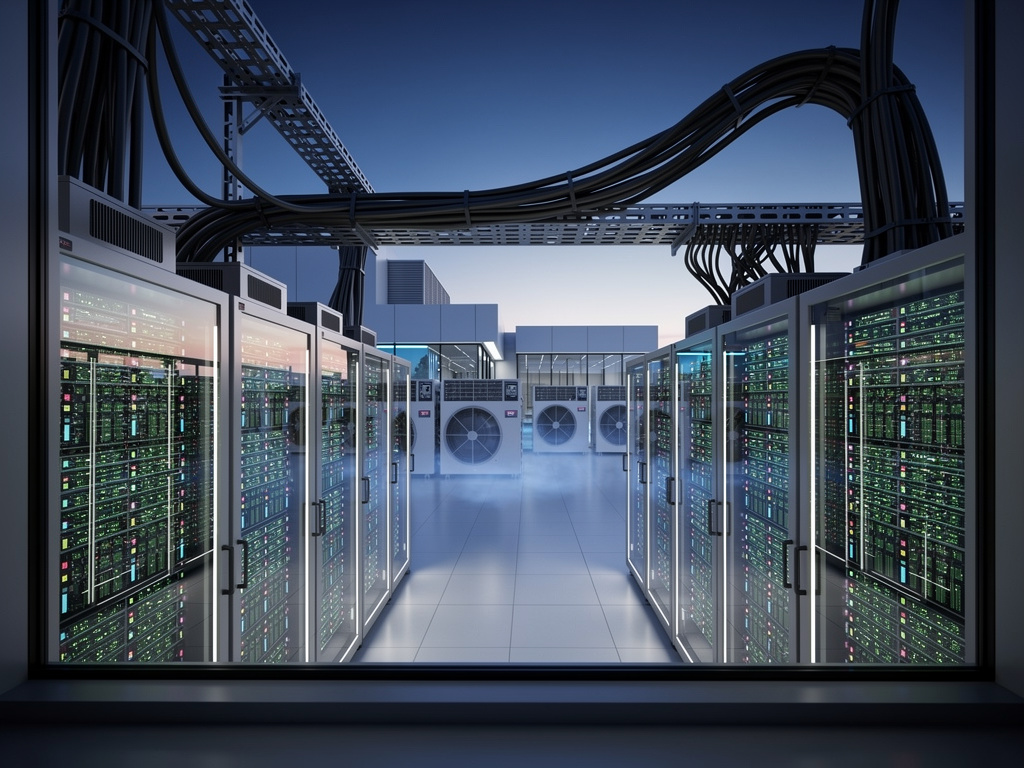
Anthropic has stepped up its efforts to secure long-term access to computing infrastructure as demand for artificial intelligence training continues to surge. According to a report from Yahoo Finance, the company is actively negotiating leases for entire data centers rather than simply renting individual server racks or short-term cloud capacity. This shift reflects the mounting pressure on AI developers to control their own supply of specialized hardware at a time when competition for graphics processing units and related power sources has grown intense.
The move comes as Anthropic, the organization behind the Claude family of models, seeks to expand its operational scale without depending entirely on partnerships with major cloud providers. By pursuing dedicated facilities, the company aims to gain more predictability over costs and availability. Industry observers point out that such arrangements allow AI labs to customize power delivery, cooling systems, and network architecture to match the unique requirements of large-scale model training. Traditional cloud rentals often come with constraints on reconfiguration, which can slow down experimental work or force compromises in hardware allocation.
Data center leasing on this scale requires significant financial commitments. Reports suggest Anthropic is looking at agreements that could span five to ten years, with options for renewal. These deals typically involve tens of thousands of square feet of space and hundreds of megawatts of power capacity. Securing that level of electricity has become one of the biggest obstacles facing the sector. Many regions already face strained grids, and new generation projects take years to complete. Anthropic’s strategy appears designed to lock in access before tighter supply conditions drive prices even higher.
This approach also signals a maturing phase for the company. Founded in 2021 by former OpenAI executives, Anthropic has grown rapidly through substantial investments from Amazon and Google. Those relationships have provided access to vast cloud resources, yet reliance on third-party infrastructure carries risks. Service disruptions, pricing changes, or shifts in partner priorities could disrupt training schedules. By acquiring direct control over physical sites, Anthropic reduces some of those vulnerabilities and creates a more stable foundation for its research roadmap.
The broader industry context helps explain why such leases have become attractive. Multiple AI organizations now compete for the same limited pool of advanced chips. NVIDIA’s latest generations of accelerators remain in short supply, and lead times for new orders stretch well into the future. In response, companies have started exploring every available avenue to obtain computing resources. Some are investing directly in chip manufacturing capacity, while others focus on energy infrastructure. Leasing full data centers sits somewhere in the middle, offering a balance between speed of deployment and operational independence.
Power availability stands out as a decisive factor in site selection. Modern AI training clusters consume electricity at rates comparable to small cities. A single facility dedicated to frontier model development might require 50 to 150 megawatts under full load. That level of demand exceeds what many existing data centers were built to support. As a result, Anthropic and its peers are turning their attention to locations with access to abundant renewable generation, proximity to hydroelectric plants, or regions where utilities are willing to build new substations. Negotiations often involve direct discussions with power companies to ensure the necessary transmission upgrades occur on schedule.
Location decisions also take into account latency, talent availability, and regulatory environments. Facilities close to major population centers can ease recruitment of engineers and researchers, but they often face higher land costs and stricter environmental rules. More remote sites may offer cheaper power and fewer restrictions, yet they can complicate logistics for hardware delivery and maintenance. Anthropic appears to be weighing these trade-offs carefully, looking for properties that can be brought online within the next 12 to 24 months to align with its product development timeline.
Financial implications extend beyond the lease payments themselves. Outfitting a data center for AI workloads involves substantial capital expenditure on servers, networking gear, backup systems, and specialized cooling. Estimates for a mid-sized cluster can reach hundreds of millions of dollars. Companies must secure financing or draw on existing investor commitments to cover these costs. Anthropic’s latest funding rounds have positioned it well in this regard, with valuations that reflect strong market confidence in its long-term prospects. Still, the scale of infrastructure investment represents a departure from the more asset-light model that many software-oriented AI startups once preferred.
The trend toward owned or long-term leased infrastructure mirrors earlier chapters in the technology industry. In the 1990s and early 2000s, internet companies built their own server farms to escape the limitations of shared hosting. Later, cloud computing offered an alternative that reduced upfront costs and improved flexibility. Now the pendulum appears to be swinging back as the computational demands of AI exceed what general-purpose cloud platforms can comfortably supply at competitive prices. Hyperscale providers themselves are struggling to keep pace, leading to allocation systems that prioritize certain customers over others.
Anthropic’s focus on data center leases also carries implications for its competitive positioning. Models like Claude 3 have demonstrated strong performance across reasoning, coding, and safety benchmarks. Continued progress will depend on access to ever-larger training runs. By securing dedicated facilities, the company increases its chances of maintaining that trajectory without unexpected interruptions. At the same time, it must manage the operational complexities that come with owning physical infrastructure, from security protocols to equipment maintenance and energy efficiency measures.
Environmental considerations have grown more prominent in these decisions. Training and operating large language models generates considerable carbon emissions when powered by fossil fuels. Many organizations, including Anthropic, have committed to reducing their environmental footprint through renewable energy purchases and efficiency improvements. Leasing facilities that can be powered primarily by wind, solar, or nuclear sources helps align with those goals. Some proposed sites include on-site generation or direct connections to clean power plants, which can simplify compliance with emerging regulations and corporate sustainability targets.
Talent recruitment forms another important element of the strategy. Data centers require teams of specialized engineers who understand high-performance computing, power systems, and facility operations. By establishing permanent sites, Anthropic can build local expertise rather than relying on contractors or remote support from cloud vendors. This approach can accelerate problem resolution during critical training periods and foster innovation in hardware configuration that might not emerge in a purely rented environment.
Challenges remain. Construction timelines for new facilities or major retrofits often stretch longer than anticipated due to permitting delays, supply chain issues, or skilled labor shortages. Once operational, these sites demand continuous investment to stay current with advancing chip architectures. A data center optimized for one generation of accelerators may require significant upgrades to accommodate the next. Anthropic will need to build internal capabilities or partner with experienced operators to manage these ongoing requirements effectively.
The company’s progress in this area will likely influence others in the field. Smaller AI developers may find it harder to compete if access to large-scale computing becomes concentrated among a few well-capitalized players. At the same time, increased demand for data center space could spur more construction and ultimately expand overall capacity. Utilities, real estate developers, and equipment manufacturers all stand to benefit from the sustained investment.
As negotiations advance, details about specific locations and deal sizes may emerge. For now, the direction is clear: Anthropic is moving to secure the physical foundations needed to support its ambitious research agenda. This represents a significant evolution from its early days when cloud credits and modest clusters sufficed. The company’s ability to execute on these leases while maintaining its distinctive approach to AI safety and reliability will shape its standing in the years ahead.
Observers will watch closely to see how these infrastructure moves translate into new model releases and capabilities. If Anthropic can bring its leased facilities online on schedule and achieve efficient utilization, it may gain a meaningful advantage in the race to develop more powerful and trustworthy AI systems. The coming months should reveal more about the scale and timing of these commitments, offering a window into how one of the industry’s leading labs is preparing for the next phase of technological advancement.


 WebProNews is an iEntry Publication