
Echoes of Awareness: Android’s Sound Notifications Redefine Everyday Vigilance
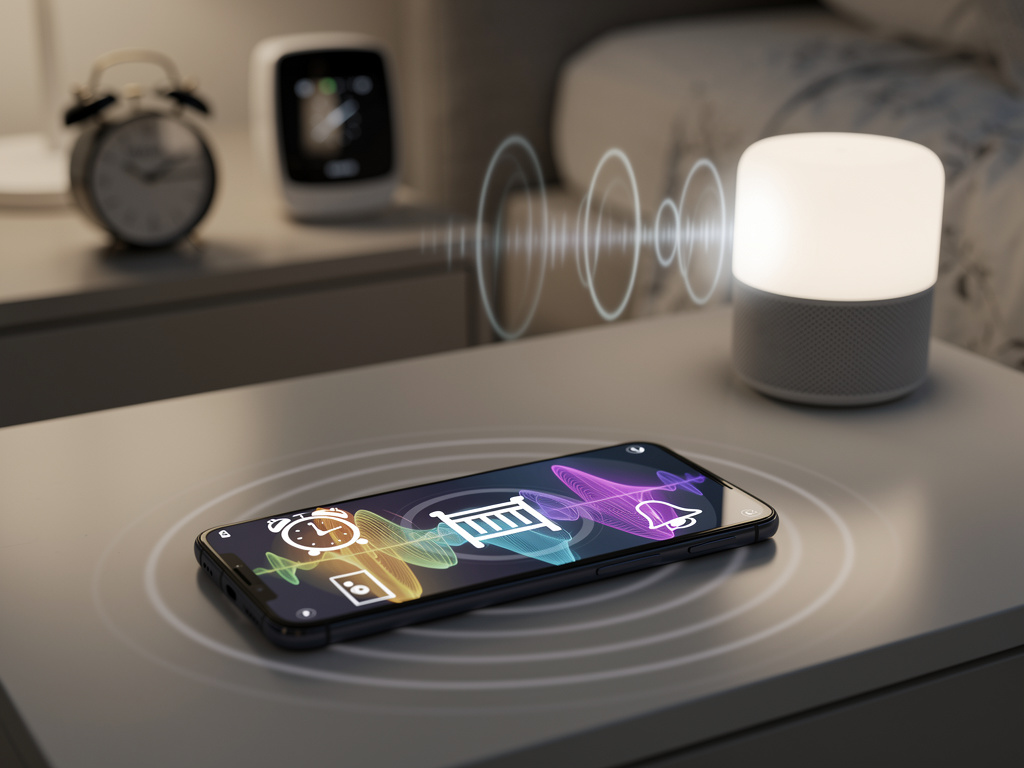
In an era where smartphones are extensions of our senses, Android’s Sound Notifications feature stands out as a quiet revolution in accessibility and safety. This tool, embedded within Google’s suite of accessibility options, transforms your phone into a vigilant sentinel, alerting users to critical sounds in their environment that might otherwise go unnoticed. Whether it’s the wail of a smoke alarm or the cry of a baby, the feature uses artificial intelligence to detect and notify users of important auditory cues, particularly benefiting those who are deaf, hard of hearing, or simply wearing headphones.
Launched initially in 2020 as part of Google’s accessibility enhancements, Sound Notifications has evolved into a robust system that operates offline, ensuring privacy and reliability without constant internet dependency. According to a detailed guide from MakeUseOf, the feature leverages your device’s microphone to listen for predefined sounds, sending vibrations, flashes, or push notifications when it detects something noteworthy. This isn’t just about convenience; it’s a lifeline for users in scenarios where missing a sound could mean danger or missed opportunities.
The mechanics are straightforward yet sophisticated. Users enable it through the Accessibility settings on Android devices running version 6.0 or higher, though it’s optimized for newer iterations like Android 15. Once activated, the phone continuously monitors ambient noise, using machine learning models trained on a variety of household and emergency sounds. Google has emphasized that all processing happens on-device, with no audio data sent to servers, addressing privacy concerns head-on.
The Evolution of Auditory Alerts in Mobile Tech
Sound Notifications didn’t emerge in a vacuum. Its roots trace back to Google’s broader push for inclusive technology, building on apps like Live Transcribe, which provides real-time captioning for conversations. A 2020 announcement highlighted in 9to5Google described how the feature was designed to alert users to “critical sounds” such as fire alarms, door knocks, or appliances beeping, making it invaluable for the hearing impaired.
Over the years, updates have refined its capabilities. By 2022, as noted in posts from the official Android account on X (formerly Twitter), users could label custom sounds, distinguishing between, say, a microwave ding and a pressure cooker whistle. This personalization elevates the feature from a generic alert system to a tailored assistant, adapting to individual lifestyles. Recent integrations with Android 15, detailed in accessibility guides from AbilityNet, allow for even more customization, including adjusting alert delivery methods like vibrations or visual cues.
Industry insiders point to this as a benchmark for how AI can enhance human perception without invasive data practices. Unlike cloud-dependent systems, Sound Notifications’ offline operation ensures it’s always ready, even in remote areas or during network outages. This reliability has sparked discussions among developers about incorporating similar tech into third-party apps, potentially expanding its reach beyond Google’s ecosystem.
Customization: Tailoring Sounds to Personal Needs
Diving deeper, the customization options are where Sound Notifications truly shines. Users can select from a list of default sounds—fire alarms, baby cries, running water, dog barks, and more—and fine-tune sensitivities. For instance, if you’re in a noisy household, you might prioritize high-urgency alerts like smoke detectors over less critical ones like a doorbell. Guides from Google’s Android Accessibility Help explain how to set up timelines, reviewing past detections to train the AI further.
Recent news underscores its growing relevance. A October 2025 article from Yahoo Tech explores how users are now adding custom notification sounds for apps, blending Sound Notifications with per-app alerts on devices like Samsung Galaxy phones. This synergy allows for a layered notification system: your phone not only hears the world for you but also differentiates app pings with unique tones, reducing notification fatigue.
On X, users and tech enthusiasts share tips for optimization. Posts highlight setting notification importance levels—urgent for sounds that trigger heads-up alerts with vibrations, high for audible cues, and lower for silent badges. This mirrors Android’s broader notification framework, as outlined in developer documentation from Android Developers, where importance dictates behaviors like sounds or status bar visibility.
Integration with Daily Life and Broader Implications
For everyday users, Sound Notifications integrates seamlessly into routines. Imagine a parent working from home with noise-canceling headphones; the feature vibrates the phone or connected smartwatch when a child cries, ensuring nothing is missed. In professional settings, it alerts to office alarms or equipment malfunctions, enhancing workplace safety. A 2020 piece in XDA Developers praised its role in making technology more equitable, noting its offline functionality as a key differentiator from competitors.
The feature’s impact extends to health and wellness. Android 14 introduced related alerts for headphone volume, warning users of prolonged high-decibel exposure to prevent hearing damage, as reported in X posts by tech analyst Mishaal Rahman. This holistic approach ties Sound Notifications into a larger ecosystem of sensory safeguards, prompting users to lower volumes or take breaks.
Moreover, its adoption has influenced app development. Samsung’s support pages, like those on Samsung Africa, detail how to set per-app sounds on Galaxy devices, often complementing Google’s tool. Developers are now exploring APIs to build custom sound detection into apps, potentially for niche uses like monitoring elderly relatives or detecting vehicle issues.
Challenges and Future Enhancements
Despite its strengths, Sound Notifications isn’t without hurdles. Battery drain from constant microphone use is a common complaint, though Google mitigates this with efficient AI models. Privacy skeptics worry about always-on listening, but the on-device processing alleviates much of that, as emphasized in initial launch coverage from Screen Rant.
Looking ahead, industry buzz on X suggests expansions like integration with smart home devices. Imagine your phone notifying you of a leaking pipe detected via sound, synced with IoT sensors. Recent posts from app developers like those behind Notifications Sounds app highlight a demand for more curated tones, pointing to a market for premium customization.
Enhancements in Android 15, as per AbilityNet’s guides, include better customization for alert delivery, such as routing notifications to wearables for discreet alerts. This could transform it into a proactive health tool, alerting to irregular sounds like labored breathing in sleep monitoring.
Real-World Applications and User Stories
User anecdotes bring the feature to life. On X, parents share how it caught a baby’s distress during late-night work sessions, while others in urban apartments credit it for detecting distant fire alarms. A 2020 CNET article from CNET focused on its design for the deaf community, quoting users who feel more independent.
In emergency scenarios, its value skyrockets. During power outages or disasters, when visual cues might fail, auditory detection via phone provides an extra layer of security. Tech forums discuss its potential in healthcare, like alerting caregivers to patient distress signals in hospitals.
Globally, adoption varies. In regions with high noise pollution, users tweak sensitivities to avoid false positives, as advised in Samsung’s FAQs. This adaptability makes it a versatile tool across cultures and environments.
Pushing Boundaries in Accessibility Innovation
As Android continues to iterate, Sound Notifications exemplifies how mobile tech can augment human limitations. Partnerships with accessibility organizations could further refine its sound library, incorporating region-specific alerts like earthquake warnings or wildlife sounds in rural areas.
Developers are inspired; Android Police noted in 2017 how Oreo updates eased custom sound additions, paving the way for today’s features. Recent X posts from Indie App Santa promote apps that complement it with HD tones, signaling a burgeoning aftermarket.
Ultimately, this feature isn’t just about hearing sounds—it’s about empowering users to engage fully with their world. By bridging gaps in perception, it sets a standard for inclusive design, urging competitors to follow suit in an increasingly connected arena.
The Road Ahead for Sound Detection Tech
Future updates might incorporate multimodal alerts, combining sound with visual AI from the camera for context-aware notifications. Imagine detecting a smoke alarm and cross-referencing with visual smoke detection for accuracy.
Privacy remains paramount; Google’s commitment to on-device AI could influence regulations, ensuring such tools don’t become surveillance vectors.
In the broader tech sphere, Sound Notifications inspires similar features in iOS and wearables, fostering a competitive push toward better accessibility. As users demand more from their devices, this feature’s evolution will likely define the next wave of sensory enhancements.


 WebProNews is an iEntry Publication