
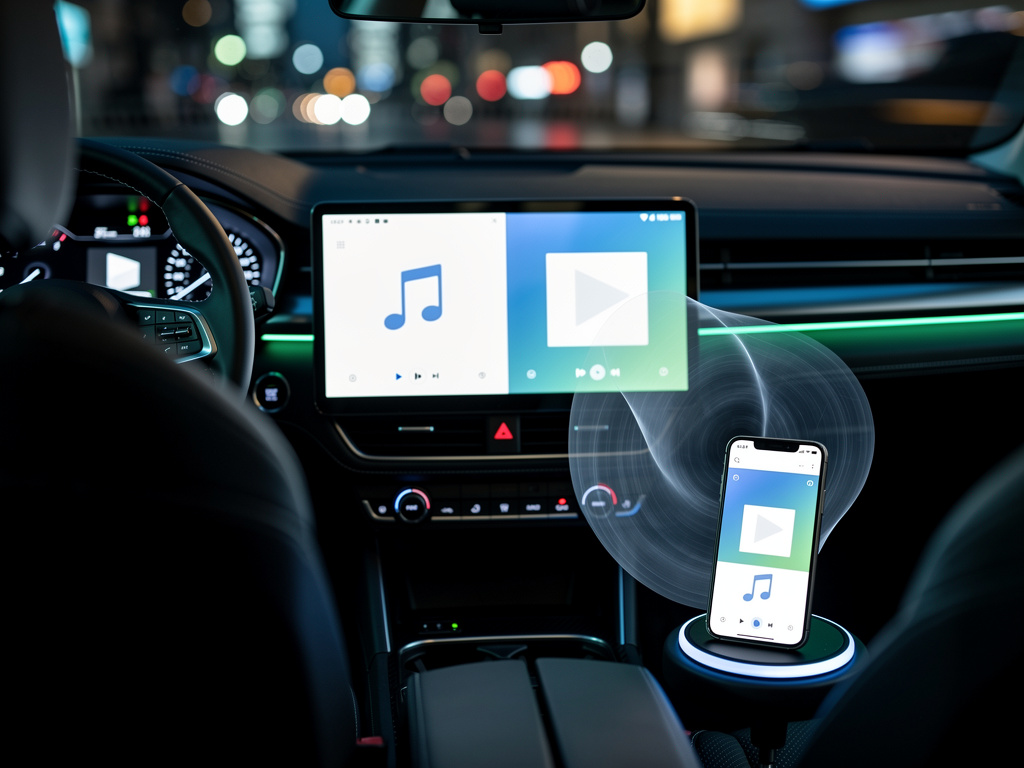
Revving Up In-Car Entertainment: Leaked Code Hints at Google Cast’s Arrival in Android Auto
In the ever-evolving world of automotive technology, Google appears poised to enhance the driving experience with a feature that could bridge the gap between mobile devices and vehicle infotainment systems. Recent leaks from the latest Android Auto update suggest that support for Google Cast, the company’s wireless streaming protocol, may soon allow users to beam media directly to their car’s display. This development, uncovered in the code of Android Auto version 15.9, points to a more seamless integration of streaming services, potentially transforming how drivers and passengers consume content on the road.
The leak was first detailed in an article by Android Authority, where code strings revealed references to Cast functionality. These include prompts like “Allow Cast to play media on this device” and warnings about compatibility with specific car models. Such additions could enable users to cast videos, music, or other media from their phones to the car’s screen without the need for cumbersome wired connections or app-specific integrations. This move aligns with Google’s broader strategy to unify its ecosystem, making Android Auto a more versatile platform for multimedia.
Industry observers note that this isn’t Google’s first foray into enhancing in-car connectivity. Android Auto, launched in 2014, has steadily evolved from a simple navigation and communication tool to a comprehensive infotainment hub. The potential addition of Cast support builds on previous updates, such as the introduction of split-screen interfaces and expanded app compatibility. However, the Cast feature could represent a significant leap, especially as competitors like Apple’s CarPlay have long offered similar wireless streaming capabilities.
Unpacking the Code: What the Leak Reveals
Delving deeper into the technical details, the leaked code suggests that Google Cast integration might not be limited to audio streaming. References to video playback indicate possibilities for casting content from apps like YouTube or Netflix directly to the car’s display, albeit with safety restrictions to prevent driver distraction. For instance, video casting could be enabled only when the vehicle is parked, mirroring features already available in some Android Automotive OS implementations.
According to a report from 9to5Google, the update also hints at a redesign of the music player interface, adopting Google’s Material You design language for a more modern look. This could complement the Cast feature by providing a unified interface for both local and streamed media. The code strings point to new permissions and device compatibility checks, ensuring that only supported head units can utilize the feature, which might limit its initial rollout to newer vehicles.
Experts in automotive software development suggest that implementing Cast in Android Auto poses unique challenges. Unlike home-based Chromecast devices, car environments demand robust safety measures. Google would need to integrate with vehicle sensors to detect motion and disable distracting features accordingly. This leak comes at a time when regulatory scrutiny on in-car distractions is intensifying, with bodies like the National Highway Traffic Safety Administration emphasizing the need for hands-free, eyes-on-road technologies.
Broader Implications for the Automotive Sector
The potential introduction of Google Cast to Android Auto could reshape partnerships between tech giants and automakers. Companies like Ford, General Motors, and Toyota, which already integrate Android Auto, might see this as an opportunity to differentiate their infotainment systems. By enabling seamless casting, Google could encourage more app developers to optimize for the platform, expanding the ecosystem beyond current offerings like Spotify and Google Maps.
Posts on X, formerly known as Twitter, from tech enthusiasts and developers reflect growing excitement. Users have speculated about how Cast could enable multi-device syncing, allowing passengers to control media from their own phones. This sentiment echoes broader discussions on social platforms, where drivers express frustration with current limitations in wireless media sharing. However, some caution that without official confirmation, these features remain speculative.
In a related development, Android Central reported on similar code findings, emphasizing the user-friendly aspects. The article highlights how Cast support could simplify the process of playing media from a phone to the car, eliminating the need for Bluetooth pairing or auxiliary cables. This could be particularly appealing for families or long-distance travelers seeking entertainment without disrupting the driver’s focus.
Competitive Pressures and Market Dynamics
Google’s push into advanced in-car features comes amid fierce competition. Apple’s CarPlay has dominated with its intuitive interface and broad app support, including wireless casting since 2014. Meanwhile, emerging players like Huawei’s HarmonyOS for vehicles are gaining traction in markets like China. For Google, integrating Cast could help Android Auto close the gap, especially as electric vehicle adoption rises and consumers demand smarter cabins.
A German-language report from Notebookcheck corroborates the leak, noting that the update rollout has begun and includes hints at multimedia enhancements. The piece suggests that these features might debut with a major update, possibly tied to Android 16 or a standalone Auto release. This timing could coincide with Google’s annual I/O conference, where automotive announcements often take center stage.
Industry insiders point out that Google’s strategy extends beyond Android Auto to Android Automotive OS, which powers built-in systems in vehicles from Polestar and Volvo. Recent X posts from automotive tech accounts highlight how Cast could unify experiences across these platforms, allowing seamless transitions from home to car. Such integration might also boost adoption of Google’s smart home ecosystem, linking Nest devices with in-vehicle controls.
Technical Hurdles and Future Prospects
Implementing Google Cast in a vehicular context involves overcoming significant technical barriers. Bandwidth constraints in moving vehicles, potential interference from cellular networks, and the need for low-latency streaming are key concerns. The leaked code includes references to “cast sessions” and “media routing,” indicating Google’s efforts to address these issues through optimized protocols.
Furthermore, privacy and security implications cannot be overlooked. Casting media to a shared car display raises questions about data handling and user consent. Google, already under scrutiny for its data practices, would need to ensure robust safeguards. References in the Android Authority article to device-specific permissions suggest a focus on user control, allowing drivers to manage which apps and devices can cast to the car.
Looking ahead, this feature could pave the way for more immersive experiences, such as augmented reality navigation or interactive passenger entertainment. As 5G networks expand, the potential for high-quality streaming increases, potentially enabling live sports or virtual meetings on the go—though audio-only for drivers, as seen in recent Zoom integrations announced on X by Android’s official account.
Ecosystem Expansion and User Adoption
The ripple effects of Cast support could extend to app developers, who might create car-optimized versions of their services. Streaming giants like Disney+ or Hulu could see increased usage if casting becomes effortless. This aligns with Google’s history of fostering developer ecosystems, as evidenced by past expansions in Android Auto app categories.
Social media buzz on X indicates user anticipation, with posts discussing how Cast could enhance road trips by allowing easy sharing of playlists or videos. However, skeptics note potential compatibility issues with older vehicles, which might require hardware upgrades. The 9to5Google report mentions that the music player redesign could serve as a testing ground for broader UI changes, making the interface more intuitive for casted content.
Automakers stand to benefit by offering these features as selling points. For instance, partnerships with Google could lead to exclusive integrations, differentiating models in a crowded market. As electric vehicles incorporate larger screens and advanced computing, features like Cast become essential for consumer appeal.
Strategic Timing and Rollout Expectations
The timing of this leak is noteworthy, coming just before the holiday season when tech updates often accelerate. With the current date marking late December 2025, speculation on X suggests a possible beta release in early 2026. This could tie into Google’s broader AI initiatives, such as replacing Assistant with Gemini, as reported in various outlets.
Cross-platform developments add intrigue. A recent update to the Apple TV app on Android introduced Google Cast support, per another 9to5Google piece, showing ecosystem convergence. This could foreshadow more interoperable features, benefiting users with mixed-device households.
Ultimately, if realized, Google Cast in Android Auto could redefine in-car multimedia, making drives more enjoyable and connected. While the leaks provide tantalizing glimpses, official confirmation from Google will be crucial. Industry watchers will be monitoring upcoming updates closely, as this feature could signal the next phase in automotive tech evolution.
Innovation at the Wheel: What’s Next for Google
Beyond immediate features, this development underscores Google’s ambition to dominate connected car spaces. By leveraging Cast, the company could integrate more deeply with its services, from YouTube Music to Google Photos, creating a cohesive user experience.
Challenges remain, including ensuring global compatibility amid varying regulations. In Europe, for example, strict data protection laws could influence feature implementation. X discussions highlight user demands for customizable options, such as per-app casting controls.
As the automotive industry shifts toward software-defined vehicles, features like this position Google as a key player. With ongoing leaks and updates, the coming months promise exciting advancements, potentially setting new standards for in-car connectivity and entertainment.


 WebProNews is an iEntry Publication