
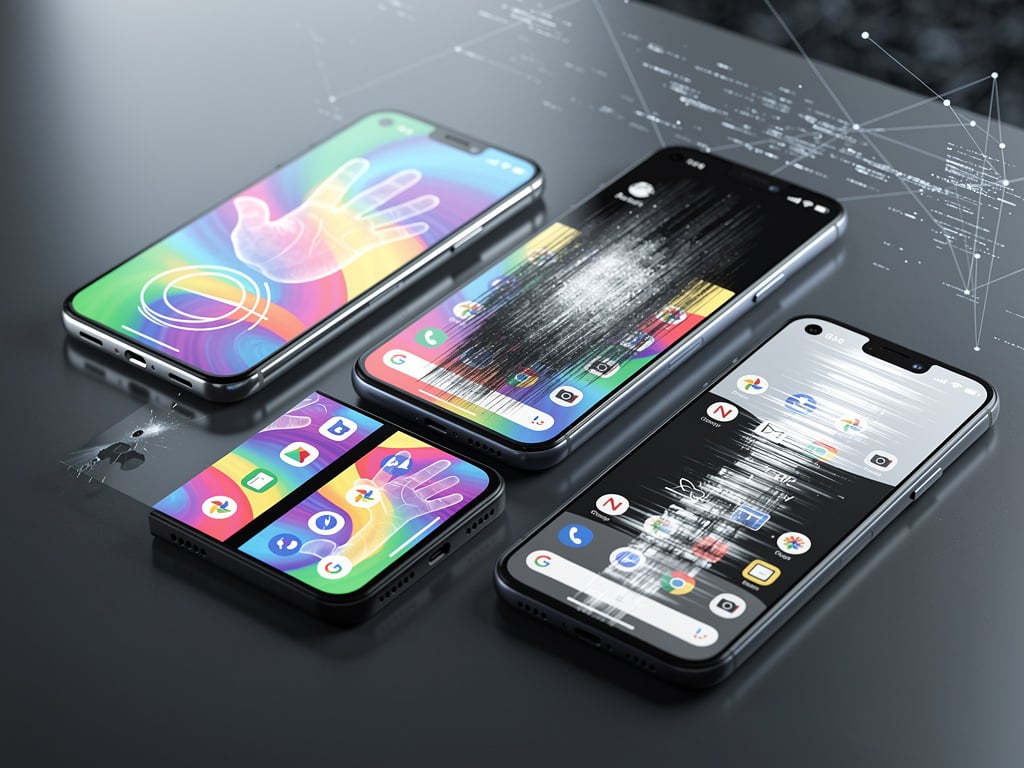
Google pushed Android 17 to Pixel owners this month. Days later, complaints flooded Reddit forums. The core problem? The touchscreen. Users describe swipes that register in the wrong direction. Taps that vanish into dead zones. Brief moments when the screen simply stops listening.
One Pixel 8 Pro owner detailed the frustration in a Reddit thread. Swiping up on YouTube Shorts sometimes registers five times, then the input freezes for three seconds. On the home screen or in messages, an upward gesture suddenly pulls the view down. And vice versa. The behavior feels random. It strikes across apps and the system UI alike.
Reports paint a consistent picture across device generations.
Owners of Pixel 10, Pixel 9, Pixel 8 and Pixel 7 models all report similar symptoms, according to coverage from Android Authority. Some see extra touches registered. Others get fewer. A few watch their intended upward scroll catapult them back to the top of a feed. The issue emerged only after the Android 17 update. That points squarely at the new software.
Google’s own PixelCommunity account on Reddit acknowledged the reports. The suggested fix involved clearing the Pixel Launcher cache through Settings. Results proved mixed at best. One user said the step changed nothing. Another discovered that disabling Smooth Display — the adaptive refresh rate feature — calmed the erratic input. Turning it back on after a brief pause even restored normal behavior for that person. Yet others found no relief from the same toggle. So much for a universal solution.
And this isn’t the only fresh headache. Android 17 also triggered a work profile bug that makes home screen widgets disappear. Google confirmed it is working on that one too. Then there are the Wi-Fi glitches. Some apps report no internet even when the connection shows full bars. 5G connectivity drops for certain users. The stable release, which began rolling out around June 16, has quickly revealed multiple weak points. Android Police called the touchscreen failures particularly disruptive. They break the fundamental way people interact with their phones.
But why now? Android 17 arrived with new multitasking tools, including a bubbles feature for floating windows. It added security and privacy enhancements. The update promised better consistency across devices. Early reviews from Android Central, published just today, highlighted those ambitions before zeroing in on the rough launch. The publication noted that while users can route around Wi-Fi drops by switching to mobile data, an unreliable screen offers no easy detour.
The problems appear software-based rather than tied to specific hardware. They hit older Pixels that still receive updates as well as the newest flagships. No single app triggers them. That breadth suggests an issue deeper in the system touch handling or gesture recognition code introduced or altered in Android 17. Google has logged the matter in its Issue Tracker. Yet the company has shared no root cause and offered no firm timeline for a patch.
Users who haven’t updated yet received clear advice from several outlets. Hold off. Wait for the first maintenance release. The risk of trading a stable experience for these input quirks looks too high for daily drivers. One owner on X summed up the sentiment shared across recent posts: the update improved some performance aspects but the touch sensitivity now feels off, requiring adjustments even without a screen protector.
Google’s track record shows these early stumbles often get corrected quickly. Previous major releases carried their own bugs that faded after one or two point updates. Still, the pattern frustrates longtime Pixel fans. They expect the company’s own hardware to showcase the cleanest Android experience. Instead, some now face basic navigation that fights them.
Recent X discussions echo the reports. Threads from the past 48 hours list touchscreen instability alongside the widget and connectivity problems. One post compiled more than a dozen known issues, from haptic mismatches to notification shade delays. Not every Pixel user encounters trouble. Many report smooth sailing after the upgrade. The complaints, however, concentrate enough to signal a systemic concern rather than isolated defects.
Workarounds remain limited. Cache clearing takes little time and carries no data risk. The Smooth Display toggle offers a reversible test. Some visually impaired users who rely on triple-tap zoom found that disabling the feature helped their specific case, though they noted it created other accessibility trade-offs. No one has discovered a perfect temporary fix. That leaves many waiting on Google.
The timing adds pressure. Android 17 rolled out alongside new Pixel hardware in some markets. Buyers expect polished software on arrival. Instead, early adopters test the update in the wild. Their feedback now drives the priority list for engineers. A software patch should resolve the touch handling without needing hardware changes. The question is how soon it arrives.
Observers point to the widget bug as a parallel. Google moved fast to confirm it and promised a fix. The touchscreen reports followed the same path. Official acknowledgment came within days. Yet users still live with the symptoms. For an operating system that powers millions of phones, even brief periods of degraded touch response create widespread annoyance.
Pixel owners who depend on their devices for work or accessibility feel the pain most acutely. A screen that misreads gestures slows everything down. It erodes trust in the interface. One detailed account described vibrations stopping in certain conditions on older models, another bug addressed in the release notes but apparently not fully resolved for everyone.
Google continues to iterate. The company gathers telemetry from affected devices. It reviews the Reddit threads and Issue Tracker entries. A targeted update could land in weeks. Until then, the advice stays consistent. Proceed with caution on the Android 17 download. Test on a secondary device if possible. And hope the next build restores what should be the most reliable part of any smartphone — the simple act of touching the screen.
Recent coverage from Android Headlines reinforces that the bug impacts models as old as the Pixel 7. It arrives alongside the Wi-Fi problems that hit Google apps particularly hard. The convergence of these issues so soon after launch suggests the final testing cycles may have missed edge cases in gesture processing under real-world conditions.
Industry watchers expect Google to bundle multiple fixes into the first quarterly platform release. That package typically addresses early adopter feedback. For now, patience defines the experience. The features in Android 17 may impress once the basics work again. Until the touchscreen behaves, those additions stay secondary.


 WebProNews is an iEntry Publication