
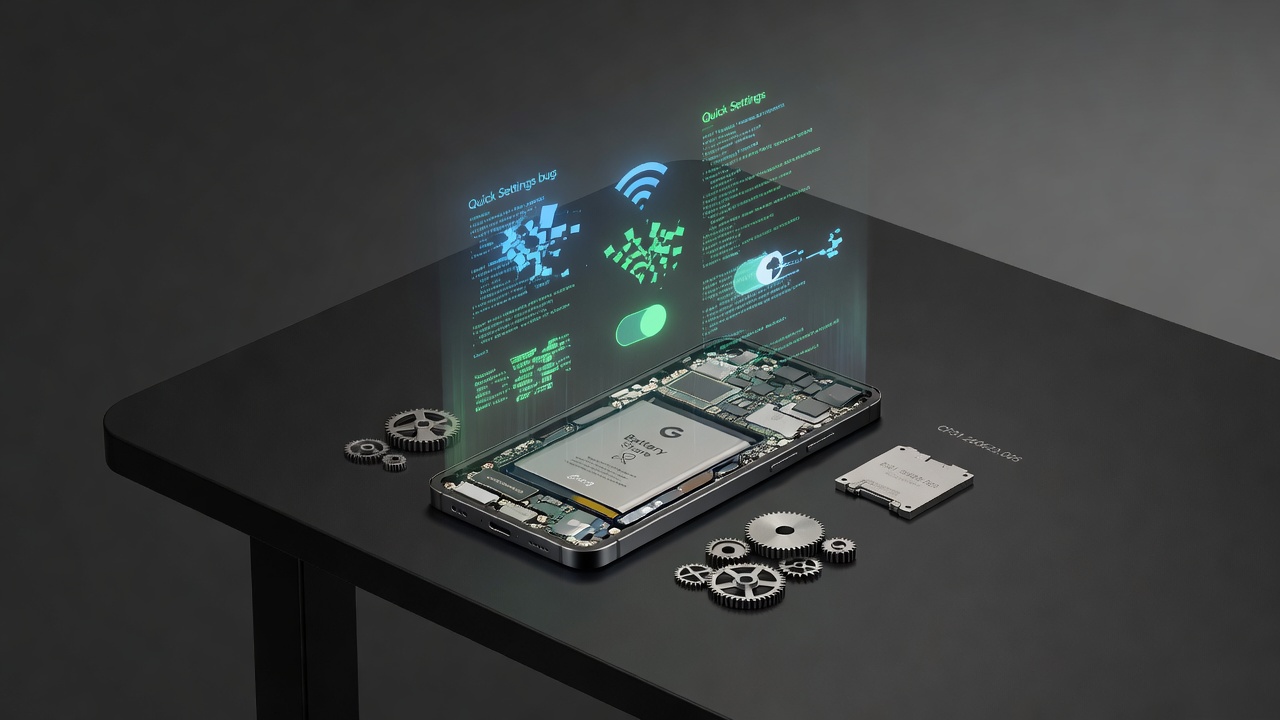
Google dropped Android 17 QPR1 Beta 7 on July 15. The build, tagged CP31.260623.005, targets Pixel owners who stuck with the beta program through months of updates. It arrives just two weeks after Beta 6 delivered platform stability. That milestone locked the API surface. Developers can now ship final apps without fear of breakage.
But stability doesn’t mean perfection. Beta 7 tackles three specific headaches in the Quick Settings panel. Android Police reported the changes first among major outlets. The fixes address real user pain points that persisted even after earlier betas.
Battery Share refused to start charging from the Quick Settings tile on some devices. Others saw the charging animation loop endlessly. Google tracked the behavior across seven distinct issue reports. One user might tap the tile and watch nothing happen. Another could trigger the animation that never stopped. The problems spanned multiple Pixel models.
Then came the Wi-Fi toggle. Turn it off and an empty gap appeared between the battery and mobile data icons in the status bar. The visual glitch looked sloppy. It broke the clean layout users expect from Google’s own software. Issue #517178332 captured the exact complaint.
The font size controller crashed outright for some. Tap the slider in Quick Settings and the whole panel could collapse. Two issue numbers document the bug. Users couldn’t adjust text size without restarting the phone or avoiding the menu altogether. Small frustrations. Yet they accumulated.
These aren’t headline features. They represent the grind of late-stage beta testing. Google lists them verbatim in its official release notes. The page also confirms the security patch level sits at 2026-07-05. Google Play services version 26.20.31 ships alongside. No known issues appear in the notes for this build. A quiet sign that the team feels good about the current state.
Platform stability arrived with Beta 6 on July 1. That release fixed spell checker language selection, volume button behavior in the Clock app, media carousel glitches, and several other system-level problems. Earlier betas tackled everything from game dashboard recording failures to widget disappearance after reboots. The list of closed issues stretches long. Each one reflects hours of engineering time and user feedback funneled through the Android Beta Program.
Android Authority covered Beta 7 within hours of its release. Their story noted an additional fix for taskbar icon alignment on external displays. Icons had shifted left instead of staying centered. Mishaal Rahman, a well-known Android researcher, highlighted the correction on X. The change restores expected behavior when users connect their Pixel to a monitor or dock.
Eligible devices include the Pixel 6 series and newer. The Pixel Tablet joins the list. Support skips the original Pixel Fold and Pixel 9 Pro Fold but includes the Pixel 10 Pro Fold. Owners simply enroll at the Android Beta Program page. The over-the-air update follows soon after. Those who prefer can flash factory images directly.
The timing feels deliberate. Android 17 itself launched earlier this year. The first quarterly platform release typically lands in September. That gives Google roughly two months to bake these fixes into a stable package. Beta 7 serves as one of the final checkpoints. Testers who remain enrolled provide the last round of real-world data before the code freezes completely.
But why does any of this matter beyond Pixel owners? The QPR cycle influences the broader Android world. Carriers and OEMs watch these builds closely. Many base their own updates on the same foundation. A polished Quick Settings panel in beta today can mean fewer support calls for Samsung, OnePlus, and others months from now.
Recent coverage shows the beta train keeps rolling. Android Authority emphasized that it’s late to join but still possible. Android Headlines called the Battery Share fix refreshing because Google moved quickly. On X, users posted screenshots of the new build number. Some expressed relief that Quick Settings finally feels reliable. Others wondered aloud if two more months until stable feels too long.
Look closer at the bug list across all QPR1 betas and a pattern emerges. Many fixes target edge cases. A crash when opening the camera from idle. Inconsistent charging estimates between lock screen and battery saver. Widgets vanishing after reboot. These don’t make marketing slides. They do determine whether people trust their phones for daily use.
Google’s approach here stays consistent. Release early betas with bigger changes. Then tighten the screws with each subsequent drop. Beta 7 contains no new user-facing features according to all reports. The focus stays on refinement. That matches the post-stability phase. APIs locked. Visual language set. Now deliver something that just works.
New hardware news adds context. Google plans an August event for the next Pixel lineup. Those devices won’t launch with Android 17 QPR1 preinstalled. They will receive it shortly after. Teasers already hint at a feature possibly called Pixel Glow. Reception remains mixed in early leaks. The beta program gives current owners a preview of the software those new phones will inherit.
Some testers on Reddit noted this marks a record number of beta builds for a QPR cycle. The volume signals either unusually high bug counts or an extra-cautious release strategy. Either way, it shows Google listens. Feedback loops between users, developers, and the Android team continue right up to the final cut.
The September Feature Drop will bundle these QPR1 changes for everyone. Non-beta users can expect the same Quick Settings improvements without enrolling. For now, the beta remains a playground for those willing to accept occasional rough edges in exchange for early access.
One detail stands out. No major regressions reported in Beta 7. Previous drops occasionally introduced new problems while fixing old ones. The absence of listed known issues suggests the team hit a sweet spot. Or at least they believe they have. Real-world usage over the next weeks will confirm it.
Android 17 brought visual tweaks, privacy tools, and performance gains at launch. The QPR1 betas layered on top of that foundation. Battery Share, Wi-Fi controls, font adjustments. These elements sit at the heart of daily interaction. When they fail, the phone feels broken even if the underlying code runs perfectly.
So Google keeps iterating. Short, targeted betas. Clear release notes. Rapid response to feedback. The result? A platform that improves not through flashy announcements but through persistent attention to detail. Beta 7 exemplifies exactly that approach. Nothing revolutionary. Everything a bit more solid.


 WebProNews is an iEntry Publication