
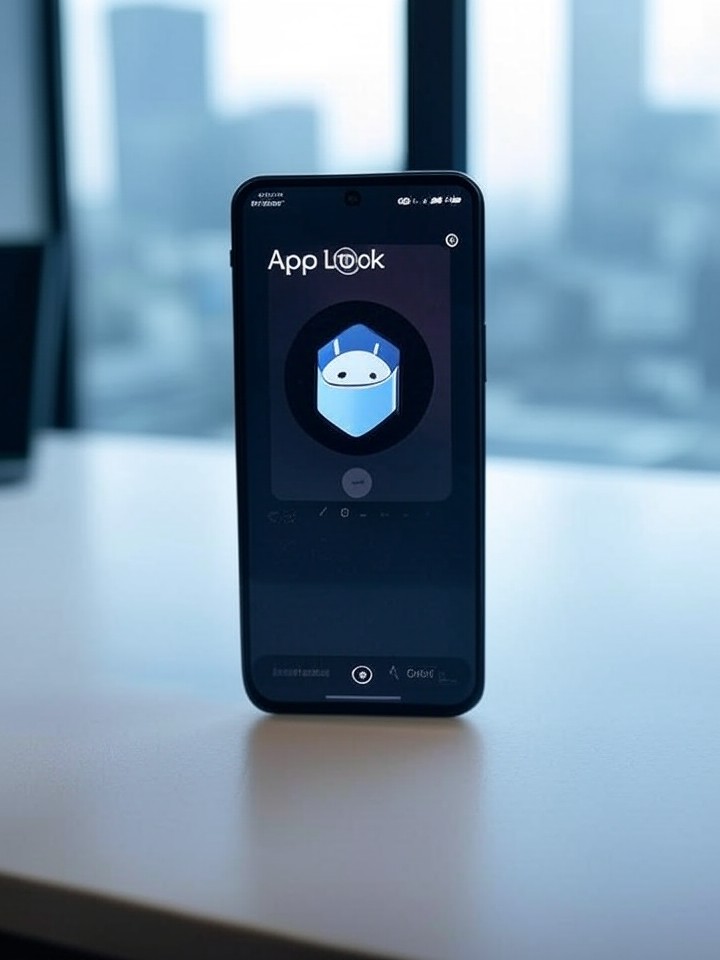
Unlocking Privacy: Android 17’s App Lock Poised to Revolutionize Notification Security
In the ever-evolving world of mobile operating systems, Google is gearing up to introduce a feature in Android 17 that could significantly enhance user privacy. Recent leaks from early builds suggest that the upcoming App Lock functionality won’t just secure individual applications but will also intelligently manage notifications to prevent sensitive information from being exposed. This development comes at a time when consumers are increasingly concerned about data privacy, and Google’s move appears aimed at addressing a long-standing gap in Android’s native capabilities.
The core idea behind App Lock is to allow users to protect specific apps with an additional layer of authentication, such as a PIN, pattern, or biometric scan. But what sets this rumored feature apart is its potential integration with the notification system. According to insights from development previews, notifications from locked apps may appear without revealing their content, showing only generic placeholders or nothing at all. This approach ensures that prying eyes can’t glean personal details from the lock screen or notification shade, even if the device is unlocked momentarily.
Industry observers note that while third-party app lockers have offered similar protections for years, a built-in solution from Google could standardize and improve the experience across all Android devices. This native implementation might eliminate the need for users to rely on potentially insecure or battery-draining alternatives, marking a step forward in Android’s privacy toolkit.
Evolving Privacy Protections in Mobile Ecosystems
Details emerging from sources like Android Authority indicate that in the latest Canary builds of Android, locked apps generate notifications that hide sensitive previews. Instead of displaying message texts or email subjects, users might see a simple alert saying “Content hidden” or something equivalent. This feature is still in flux, with Google experimenting with how much information to reveal—perhaps just the app’s name and icon to inform the user without compromising security.
Comparisons to existing systems are inevitable. For instance, Samsung’s One UI has long included app locking, but it often falls short in handling notifications seamlessly. Posts on X from tech enthusiasts highlight frustrations with current implementations, where notifications sometimes bypass locks entirely. Google’s version, if rumors hold, could set a new benchmark by ensuring consistency across the platform.
Furthermore, this enhancement aligns with broader trends in mobile security. As devices become central to personal and professional lives, protecting against casual snooping—whether from family members, colleagues, or thieves—has become paramount. The App Lock’s notification handling could be particularly useful for apps dealing with financial data, health information, or private communications.
Technical Insights from Early Builds
Diving deeper into the technical aspects, reports from Sammy Fans suggest that Google is leveraging Android’s existing notification framework to implement these changes. In experimental versions, when an app is locked, its notifications are filtered through a privacy layer that strips out detailed content before display. This process happens at the system level, ensuring it’s efficient and doesn’t require app developers to make changes.
One intriguing possibility is customization options for users. Might there be settings to allow certain notifications to show previews after authentication, or to mute them entirely for locked apps? While specifics remain speculative, the flexibility could appeal to power users who want granular control over their privacy settings.
Additionally, integration with other Android features like Do Not Disturb or Focus modes could amplify the benefits. Imagine a scenario where locked apps’ notifications are routed to a secure vault, accessible only after unlocking the app itself. Such innovations would not only bolster security but also enhance the overall user experience by reducing notification clutter.
Market Implications and Competitive Pressures
The timing of this feature’s potential rollout is noteworthy. Android 17 is expected to launch in late 2026, following the pattern of previous releases. Leaks compiled in Android Police point to its appearance in developer previews, which have been delayed but are anticipated soon. This delay might indicate Google’s commitment to polishing the feature, ensuring it meets high standards before public release.
Competitively, this puts pressure on rivals like Apple, whose iOS offers robust app privacy but lacks a native app locker with notification hiding. X posts from users comparing ecosystems often praise Android’s openness but criticize its privacy shortcomings—App Lock could help bridge that divide. For device manufacturers, a standardized feature means less need for custom implementations, potentially streamlining software updates and reducing fragmentation.
On the enterprise side, businesses handling sensitive data might find this feature invaluable. IT departments could mandate App Lock for corporate apps, ensuring that notifications don’t inadvertently leak confidential information on shared or lost devices. This could boost Android’s adoption in sectors like finance and healthcare, where data protection regulations are stringent.
Potential Challenges and User Adoption
However, no feature is without hurdles. One concern is usability—will users find the extra authentication steps cumbersome? If notifications are too obscured, it might lead to missed important alerts, frustrating those who rely on quick glances at their screens. Balancing security with convenience will be key, and Google may need to iterate based on beta feedback.
Privacy advocates are watching closely. While hiding notification content is a plus, questions remain about whether app names and icons will be visible. As noted in FoneArena, based on other implementations, they likely will, allowing users to identify the source without exposing details. This compromise could satisfy most users, but purists might demand full anonymity.
Moreover, there’s the matter of compatibility. Older apps or those not optimized for Android 17 might behave unpredictably with App Lock enabled. Developers will need guidance from Google to ensure smooth integration, perhaps through updated APIs that handle locked states gracefully.
Broader Ecosystem Integration and Future Prospects
Looking ahead, App Lock could tie into Google’s broader ecosystem, including Wear OS and Android Auto. For wearables, hidden notifications would prevent sensitive info from appearing on smartwatch screens. In cars, it could maintain driver focus by limiting distractions from locked apps.
Sentiment on X reflects excitement, with posts from influencers like AssembleDebug sharing early looks and sparking discussions. Many users express hope that this will finally match or exceed features in custom ROMs or manufacturer skins, reducing the need for rooting or third-party tweaks.
From a regulatory perspective, this feature dovetails with global privacy laws like GDPR and CCPA, which emphasize data minimization. By defaulting to hidden content, Google demonstrates proactive compliance, potentially warding off future scrutiny from authorities.
Innovation in Notification Management
Expanding on notification innovations, Android 17 might introduce more nuanced controls, such as time-based locking or location-aware behaviors. Imagine apps automatically locking when you’re at work, with notifications silenced to prevent professional breaches.
Insights from Digital Trends highlight how this builds on Android’s history of incremental privacy improvements, from permission managers to scoped storage. App Lock represents the next logical step, addressing a vulnerability that has persisted despite these advances.
User education will be crucial. Google could include tutorials or setup wizards to guide users through enabling and configuring App Lock, ensuring widespread adoption rather than it remaining an obscure setting.
Developer Perspectives and Implementation Details
For app developers, this feature opens new considerations. They might need to design notifications with privacy in mind, providing fallback content for locked states. Google’s documentation, expected in upcoming previews, will likely outline best practices.
Reports from Gizbot suggest the feature extends beyond mere locking, potentially including audit logs of access attempts. This would add forensic value, helping users detect unauthorized tries.
In terms of performance, early tests indicate minimal overhead, as the system handles filtering efficiently. Battery impact should be negligible, a relief for users wary of power-hungry security tools.
Community Feedback and Iterative Development
The Android community is abuzz, with forums and X threads dissecting every leak. Some speculate on extensions like multi-user support, where locked apps persist across profiles.
Comparisons to iOS features, such as those rumored in older X posts about lock screen enhancements, underscore Android’s catch-up game in certain areas. Yet, Google’s open approach allows for more customization, potentially giving it an edge.
As development progresses, expect more refinements. The first developer preview, delayed from November, could drop any day, providing concrete details and quelling speculations.
Strategic Importance for Google’s Mobile Dominance
Strategically, bolstering privacy strengthens Android’s position against iOS, especially in markets where data security influences purchasing decisions. It also counters narratives that Android lags in safeguarding user information.
Integrations with services like Google One could offer premium features, such as cloud backups of lock settings or advanced analytics on privacy threats.
Ultimately, if executed well, App Lock with notification hiding could become a hallmark of Android 17, remembered as a pivotal enhancement in mobile privacy evolution.
In wrapping up this exploration, it’s clear that Google’s rumored feature addresses real user needs in an increasingly connected world. As more details emerge, the tech community will be watching closely to see how it shapes the future of Android security.


 WebProNews is an iEntry Publication