
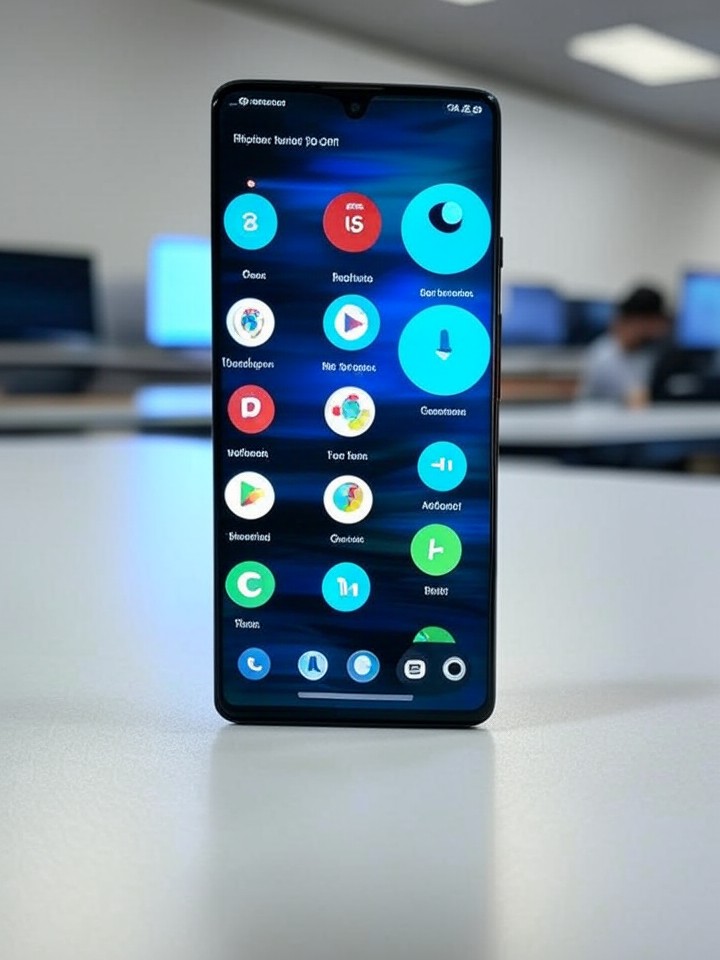
Unlocking Android’s Next Frontier: Inside the QPR3 Beta 2 Update for Pixel Devices
Google has once again pushed the boundaries of its mobile operating system with the release of Android 16 QPR3 Beta 2, a significant update rolling out to eligible Pixel smartphones and tablets. This beta version, identified by build numbers like CP11.251209.007 for older models and CP11.251209.007.A1 for newer ones, arrives hot on the heels of previous quarterly platform releases, signaling Google’s commitment to iterative improvements even as the core Android 16 platform matures. For developers and tech enthusiasts enrolled in the Android Beta Program, this update represents more than just bug fixes—it’s a glimpse into how Google is refining user experience ahead of a stable rollout expected later this year.
At its core, the update targets persistent pain points that have plagued Pixel users, including erratic battery performance and system instability. Reports from beta testers highlight resolutions to issues like excessive overnight battery drain and inconsistent charging behaviors, which have been thorns in the side of power management. Google’s official release notes emphasize enhancements in stability and usability, but digging deeper reveals a host of under-the-hood tweaks that could redefine daily interactions with Pixel devices.
This beta isn’t arriving in a vacuum; it builds on the foundation laid by prior QPR releases, incorporating feedback from a community of developers and early adopters. Sources like the Android Developers site detail the technical underpinnings, while user discussions on platforms such as Reddit’s android_beta subreddit paint a picture of real-world impacts. As we delve into the specifics, it’s clear this update is poised to elevate the Pixel ecosystem, particularly for those pushing devices to their limits in professional and creative workflows.
Navigating the Revamped Settings Interface
One of the standout changes in Android 16 QPR3 Beta 2 is the overhaul of the Settings menu, designed to streamline navigation for users juggling complex configurations. According to coverage from Android Central, the update introduces clearer sub-headings and grouped options, making it easier to locate related system controls without endless scrolling. This isn’t merely cosmetic; it’s a functional upgrade that addresses longstanding complaints about cluttered interfaces in Android’s expansive settings hierarchy.
For industry professionals, this means quicker access to critical toggles during app development or device testing. Imagine configuring network preferences or battery optimizations without sifting through unrelated categories—it’s a time-saver that could boost productivity in fast-paced environments. Beta testers have noted that these groupings reduce cognitive load, allowing for more intuitive management of features like Wi-Fi connectivity and app permissions.
Beyond the surface, this redesign aligns with Google’s broader push toward modular interfaces, echoing trends seen in recent Material You evolutions. Publications such as 9to5Google have galleries showcasing the visual tweaks, including unified indicators and refined icon placements that enhance overall coherence. These changes, while subtle, contribute to a more polished experience, especially on foldable devices like the Pixel Fold where screen real estate varies.
Tackling Battery Woes and Performance Hiccups
Battery management takes center stage in this beta, with fixes that directly confront user-reported drains and charging anomalies. Insights from Gadget Hacks reveal that the update optimizes overnight power consumption, ensuring devices don’t hemorrhage energy while idle. This is particularly crucial for professionals relying on their Pixels for extended fieldwork or remote operations, where recharging opportunities might be scarce.
Moreover, the beta addresses charging limits, now properly respected across models, preventing overcharging that could degrade battery health over time. Posts found on X from sources like Pixel UI by Google highlight this as a top fix, alongside resolutions for screen flickers upon waking and faster switching between audio outputs. These improvements stem from kernel-level adjustments, as inferred from developer notes, which fine-tune how the system allocates resources during low-activity periods.
Performance enhancements extend to stability, squashing bugs that caused random freezes and app crashes. For instance, Microsoft apps that previously faltered on startup now launch seamlessly, a boon for enterprise users integrating Android with productivity suites. Coverage in Droid Life notes the update’s broad compatibility, covering everything from the Pixel 6 series to the latest foldables and tablets, ensuring a consistent experience across Google’s hardware lineup.
Connectivity Boosts and System Optimizations
Connectivity receives a substantial upgrade in QPR3 Beta 2, with improved Wi-Fi speeds and more reliable mobile data handoffs. This builds on feedback from earlier betas, where users experienced drops in signal strength during transitions. As detailed in Android Police, these tweaks enhance usability in dynamic environments, such as commuting or working in areas with spotty coverage—scenarios common for mobile professionals.
The update also refines external display casting, a feature that gained traction in previous QPR releases. Developers can now leverage smoother mirroring and extended desktop modes, ideal for presentations or coding sessions on larger screens. This ties into broader ecosystem integrations, including better support for accessories like earbuds and smartwatches, reducing latency in audio and data syncing.
On the optimization front, Google has incorporated more efficient garbage collection mechanisms, a nod to backend improvements that prevent memory leaks. Drawing from X posts and analyses in Sammy Fans, these changes result in snappier app performance, particularly under heavy multitasking loads. For insiders, this means Android 16 is evolving into a more robust platform for resource-intensive applications, from AI-driven tools to augmented reality experiences.
Visual and Functional Polish for Modern Users
Visually, the beta introduces subtle yet impactful tweaks, such as a flashlight brightness slider and customizable navigation buttons, as spotted in earlier QPR previews but refined here. These elements, covered extensively in Reddit threads and X discussions, allow for greater personalization, catering to users who demand tailored interfaces. The removal of the “At a Glance” widget option further empowers customization, freeing up home screen space for widgets that matter most in professional setups.
Lockscreen enhancements provide quicker access to notifications and controls, streamlining workflows for those constantly checking devices. Publications like Android Central have praised how these changes integrate with Health Connect expansions, offering native step tracking and exercise data without third-party apps. This holistic approach underscores Google’s strategy to make Android a seamless hub for health and productivity data.
Additionally, GPU driver upgrades for the Pixel 10 series promise better graphics handling, crucial for gaming and visual computing tasks. While not universal, this positions newer devices as frontrunners in performance, potentially influencing app development standards across the board.
Developer Implications and Future Horizons
For developers, QPR3 Beta 2 opens doors to testing new APIs and features in a more stable environment. The inclusion of SMS OTP protection and custom app icon shapes, carried over from prior betas, encourages innovative app designs that leverage these tools. As per the Android Developers site, this beta facilitates early adoption of quarterly updates, allowing devs to optimize code before widespread deployment.
Bug squashing extends to niche issues, like resolving screen flickers and app-specific crashes, which could accelerate the debugging cycle for third-party software. Insights from X, including posts from tech analysts, suggest this beta is ironing out wrinkles that affected beta 1, paving the way for a smoother QPR3 stable release.
Looking ahead, this update hints at Google’s roadmap for Android 16, emphasizing iterative refinements over revolutionary overhauls. Industry observers note that by addressing core usability and performance, Google is strengthening its position against competitors, ensuring Pixel devices remain viable for enterprise and creative sectors.
Ecosystem Integration and User Feedback Loops
Integration with Google’s ecosystem gets a boost, with better synergy between Pixel hardware and services like Google Workspace. Fixes for connectivity and battery align with this, reducing friction in cloud-based workflows. User feedback, channeled through the Android Beta Program as outlined on Google’s beta site, has clearly influenced these changes, demonstrating a responsive development process.
Communities on X and Reddit are abuzz with initial impressions, praising the beta’s reliability while calling out remaining quirks, such as occasional UI glitches on foldables. This dialogue is vital for insiders, offering unfiltered insights into how updates perform in diverse scenarios.
Ultimately, Android 16 QPR3 Beta 2 stands as a testament to Google’s agile approach, blending fixes with forward-looking features to keep the platform evolving. As beta testing progresses, expect further refinements that could shape the next generation of mobile computing.
Beyond the Beta: Strategic Insights for Tech Leaders
Strategically, this release underscores Google’s focus on quarterly updates as a means to deliver value without full OS overhauls. For tech leaders, it signals opportunities to align product roadmaps with these cycles, ensuring apps capitalize on new capabilities like enhanced desktop windowing.
Comparisons with past QPRs reveal a pattern of escalating ambition; where earlier betas tackled basics, this one dives into nuanced optimizations. Analyses from 9to5Google and others highlight how these betas serve as testing grounds for features that eventually trickle into stable builds.
In the broader context of mobile tech, QPR3 Beta 2 reinforces Android’s adaptability, equipping devices for emerging demands like AI integration and edge computing. As we monitor rollout progress, it’s evident this beta is more than an incremental step—it’s a calculated move to solidify Pixel’s role in a competitive arena.


 WebProNews is an iEntry Publication