
Unlocking Pixel’s Hidden Potential: Google’s Beta Surge Redefines Android
Google’s latest beta release for Pixel devices is stirring excitement among tech enthusiasts and developers, signaling a fresh wave of innovations that could reshape user experiences on Android. The Android 16 QPR3 Beta 1, rolled out recently, introduces a suite of features aimed at enhancing everyday functionality while paving the way for more intuitive interactions. This update, part of Google’s quarterly platform releases, is not just a minor tweak but a calculated step toward refining the ecosystem ahead of the stable rollout expected in March 2026. For industry insiders, this beta offers a glimpse into Google’s strategy to maintain Pixel’s edge in a competitive market dominated by iterative improvements.
At the core of this beta are enhancements that address long-standing user requests, such as customizable navigation controls and improved hardware integrations. Participants in the Android Beta Program are the first to access these changes, which include a new flashlight brightness slider and the ability to reorder navigation buttons. These might seem like small additions, but they reflect Google’s focus on personalization, allowing users to tailor their devices more precisely to individual preferences. As reported by CNET, this update is set to land in its official form next year, giving beta testers an early advantage in exploring what’s next for Android.
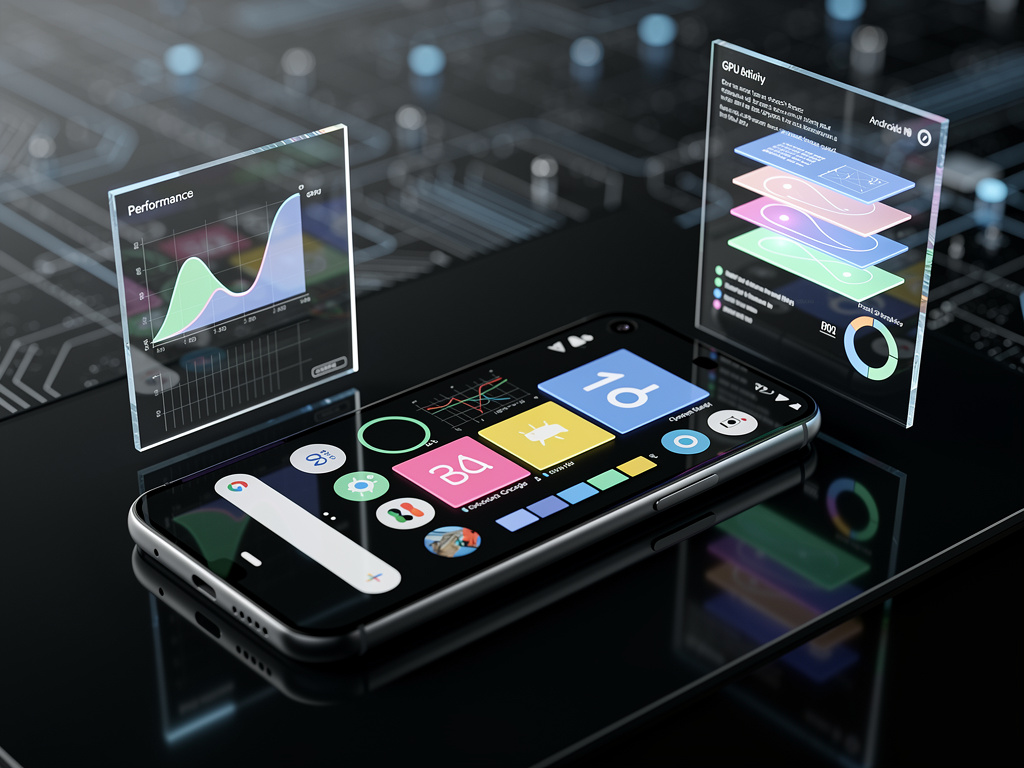
Beyond surface-level tweaks, the beta delves into system-level optimizations that could influence app development and device performance. For instance, the GPU driver update for the Pixel 10 series, bundled with this release, promises better graphics handling, which is crucial for gaming and multimedia applications. This aligns with Google’s broader push to integrate advanced hardware capabilities seamlessly into the software layer, ensuring that Pixel devices remain at the forefront of mobile technology.
Navigating the New Interface Enhancements
One standout feature in the Android 16 QPR3 Beta 1 is the navigation button customization, allowing users to swap the positions of the back and recent apps buttons in the three-button navigation mode. This flexibility caters to left-handed users or those accustomed to different layouts from other operating systems, potentially reducing accidental inputs and improving ergonomics. Posts on X from tech analysts highlight this as a subtle yet impactful change, with users praising its potential to make multitasking more fluid.
Another key addition is the flashlight brightness slider, accessible by long-pressing the flashlight tile in the quick settings. This feature lets users adjust the intensity of their device’s flashlight, which could be particularly useful in low-light scenarios where full brightness might be overwhelming or battery-draining. According to details shared in a post on X by a prominent Android enthusiast, this control extends to more granular hardware management, hinting at future expansions in sensor integrations.
The beta also introduces unified indicators for elements like the battery and time, streamlining the status bar for a cleaner look. This design choice echoes Google’s Material You philosophy, emphasizing adaptability and minimalism. Developers might find this useful for creating apps that harmonize better with the system’s UI, reducing visual clutter and enhancing focus on content.
Performance Boosts and Hardware Synergies
Diving deeper, the GPU driver upgrade specifically for the Pixel 10 series stands out as a technical highlight. As noted in an article from The Times of India, this update aligns with imaginative advancements in processing power, potentially improving frame rates and efficiency in demanding tasks. For industry professionals, this means better support for AR/VR applications and high-fidelity graphics, areas where Android has been catching up to rivals.
In parallel, the beta includes lockscreen tweaks that allow for more dynamic widget placements and notifications. Users can now remove the “At a Glance” widget, freeing up space for personalized content. This level of customization is a nod to user feedback, as evidenced by discussions on X where beta testers express enthusiasm for these options, suggesting they could influence how third-party launchers evolve.
External display casting receives refinements too, enabling smoother mirroring to larger screens. This feature is particularly relevant for productivity users who rely on Pixel devices for work, bridging the gap between mobile and desktop environments. Combined with home screen improvements, such as better icon arrangements, the beta fosters a more cohesive experience across different usage scenarios.
Broader Implications for Android’s Ecosystem
Looking at the bigger picture, this QPR3 Beta 1 is positioned as the last feature update for Android 16, according to insights from heise online. After this, Google’s attention shifts to Android 17, with testing moving to the Android Canary Channel. This strategic pivot indicates a faster iteration cycle, allowing for more frequent refinements without the overhead of full developer previews. For insiders, it underscores Google’s agility in responding to market demands, potentially accelerating the adoption of new standards like advanced AI integrations.
Safety and communication features also get a boost, building on previous updates. Real-time captions now convey emotions, making video calls and media consumption more immersive. As detailed in Google’s own blog post on The Keyword, features like “Call Reason” in beta allow users to indicate the urgency of calls, which could reduce missed important communications in professional settings.
Moreover, the update ties into Google’s ecosystem-wide enhancements, such as the December 2025 Google System Updates. These include a redesigned QR code scanner and document scanner with expressive designs, improving accessibility for business users. Posts on X from Pixel UI enthusiasts note these as steps toward better integration with services like Google Wallet and Play Store, enhancing security and convenience.
Developer Perspectives and Future Trajectories
From a developer’s standpoint, the beta’s emphasis on edge-to-edge enforcement and redesigned panels opens new avenues for app design. Features like taskbar pinning and app pairs, referenced in earlier X posts about Android updates, suggest Google is preparing for more multitasking-oriented devices, possibly foldables or tablets. This could influence how apps are built, with a focus on responsive layouts that adapt to varying screen sizes and orientations.
The introduction of adaptive vibration and cellular network security settings further bolsters the platform’s robustness. These elements, as explored in analyses on X, provide developers with tools to create more context-aware applications, such as those that adjust feedback based on environment or secure data transmission protocols.
As the beta program requires commitment—exiting early means a full device reset, per heise online’s reporting—it attracts dedicated testers who contribute valuable feedback. This community-driven approach helps Google refine features before wide release, ensuring stability and user satisfaction.
User Adoption and Market Impact
Early adopters in the Android Beta Program are already reporting positive experiences, with some highlighting fixes for battery drain and touch issues in the concurrent December 2025 update. As covered by 9to5Google, these patches address real-world pain points, making the beta more appealing despite its experimental nature.
In terms of market positioning, this update reinforces Pixel’s reputation for cutting-edge software. With competitors like Samsung and Apple pushing their own betas, Google’s quarterly releases keep the momentum, potentially swaying developers and users toward its ecosystem. X posts from tech reviewers emphasize the excitement around features like new emoji combos in Gboard, adding a fun layer to productivity tools.
The rollout also coincides with discounts on Pixel 10 devices, as mentioned in a roundup from PiunikaWeb, which could boost adoption rates. This strategic timing encourages more users to join the beta, expanding the testing pool and accelerating innovation cycles.
Ecosystem Integration and Emerging Trends
Integration with Wear OS devices, such as the Find Hub landing on Pixel Watch, extends the beta’s reach beyond phones. This holistic approach, as noted in PiunikaWeb’s coverage, creates a more connected user experience, where updates across devices enhance overall utility.
Emerging trends like AI-driven personalization are evident in features such as custom Gboard stickers via Pixel Studio, referenced in older X posts about Pixel Feature Drops. These point to Google’s investment in generative tools, which could redefine content creation on mobile platforms.
For industry observers, the beta’s focus on security— including reCAPTCHA support and passkey controls from the October 2025 Play system update—signals a proactive stance against evolving threats. This is crucial in an era of increasing cyber risks, ensuring Android remains a trusted platform for enterprise use.
Strategic Shifts in Android Development
Google’s decision to forgo traditional developer previews for Android 17, opting instead for the Canary Channel, marks a significant shift. As outlined in heise online, this allows for earlier testing of bold features, potentially leading to more innovative releases. Insiders speculate this could introduce advancements in areas like quantum-resistant encryption or enhanced privacy controls.
The beta also builds on prior updates, such as theft protection and real-time fraud app detection from Android 15, as shared in X posts from tech influencers. These continuities strengthen the platform’s foundation, making each quarterly release a building block for long-term evolution.
Ultimately, the Android 16 QPR3 Beta 1 encapsulates Google’s vision for a more adaptable and user-centric Android. By blending practical enhancements with forward-thinking integrations, it sets the stage for what’s to come, inviting developers and users alike to shape the future of mobile technology. With the stable version on the horizon, the insights gained from this beta will likely influence not just Pixel devices but the broader Android community.


 WebProNews is an iEntry Publication