
Google’s Subtle Power Play: Android 16 QPR2 Elevates Pixel Devices Beyond the Hype
In the ever-evolving world of mobile operating systems, Google has long been known for its iterative updates that blend innovation with practicality. The latest chapter in this saga is Android 16 QPR2, a quarterly platform release that’s drawing attention not just for its flashy additions but for tangible enhancements in device efficiency. Recent reports suggest this update marks a shift in Google’s approach, moving away from superficial tweaks toward substantive improvements that address real user pain points. For Pixel phone owners, this could mean smoother daily operations without the fanfare of major overhauls.
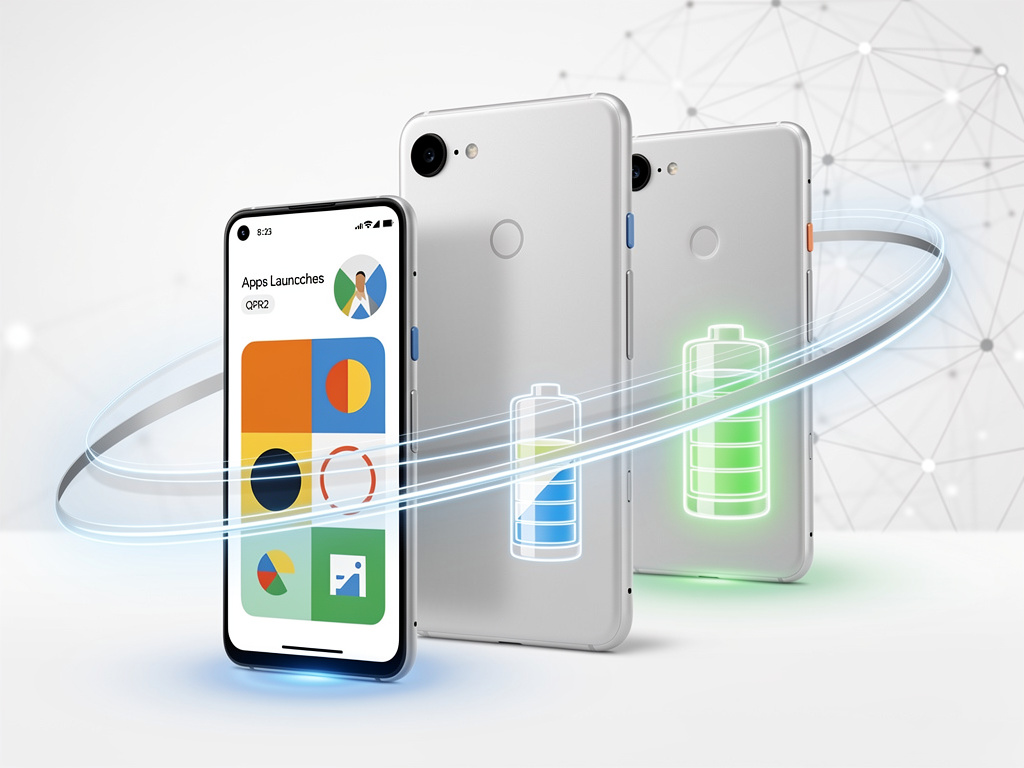
At the heart of Android 16 QPR2 lies a focus on performance optimization, particularly for the latest Pixel models like the Pixel 10 series. Benchmarks indicate noticeable gains in speed and responsiveness, with app launches feeling snappier and multitasking handling heavier loads more gracefully. This isn’t about revolutionary leaps but refined tuning that makes existing hardware shine brighter. Industry observers note that Google appears to be responding to feedback on previous generations, where thermal management and battery life occasionally lagged behind competitors.
Drawing from hands-on testing, the update seems to optimize CPU and GPU interactions more effectively. For instance, OpenCL scores have shown improvements of up to 6%, leading to better graphics rendering in games and demanding applications. This comes at a time when smartphone users increasingly rely on their devices for everything from productivity to entertainment, making such under-the-hood refinements crucial for maintaining user satisfaction.
Performance Under the Microscope
One key area of enhancement is in thermal throttling, where the update reportedly allows devices to sustain higher performance levels without overheating. Early adopters on forums have shared experiences of reduced lag during extended sessions, such as video editing or streaming. This aligns with Google’s broader strategy to extend device longevity, especially as Pixel phones now promise up to seven years of software support.
Comparisons with prior Android versions reveal that QPR2 builds on the foundation laid by Android 16’s initial release. While the base OS introduced AI-driven features, this quarterly update hones in on efficiency. Sources like Android Authority have conducted rigorous benchmarks on the Pixel 10, showing consistent CPU performance gains that translate to real-world benefits, such as faster app switching and smoother scrolling.
Beyond raw speed, the update addresses battery drain, a perennial concern for power users. Optimized garbage collection—a process that frees up memory more efficiently—helps in maintaining longer usage times between charges. This is particularly evident in scenarios involving background processes, where previous builds sometimes faltered.
New Features That Matter
Shifting gears to user-facing additions, Android 16 QPR2 introduces a suite of customization tools that empower users to tailor their experience. Auto-themed app icons, for example, dynamically adjust to match the device’s wallpaper, creating a more cohesive aesthetic. This builds on Material You design principles, allowing for deeper personalization without overwhelming complexity.
Notification management receives a significant boost with AI-powered summaries and VIP designations. Users can now prioritize alerts from key contacts or apps, reducing the clutter that often plagues modern smartphones. Parental controls have also been expanded, offering more granular oversight for family sharing setups, which could appeal to households managing multiple devices.
Lock screen widgets make a welcome return, enabling quick glances at information like weather or calendar events without unlocking the phone. This feature, absent in recent Android iterations, harks back to earlier customization eras while integrating seamlessly with current security protocols. Early feedback from beta testers highlights how these widgets enhance productivity, especially for professionals on the go.
Insights from Developer Communities
Delving into developer notes, the update includes refinements to the Android SDK, facilitating better app compatibility and performance. The Android Developers release notes detail fixes for known issues, such as improved step tracking in Health Connect and expanded exercise data integration. These changes underscore Google’s commitment to ecosystem health, ensuring third-party apps run optimally on Pixel hardware.
Community discussions on platforms like Reddit provide anecdotal evidence of the update’s impact. Users in threads on r/Android and r/GooglePixel report fewer crashes and better overall stability post-update. One post from mid-October outlined beta 3’s new features, including more efficient memory management, which has since carried over to the stable release.
On social media, posts reflect a mix of excitement and measured optimism. For instance, updates shared by tech influencers emphasize the update’s role in making Pixel devices feel “faster” despite hardware constraints, with mentions of smoother gameplay and reduced temperatures during intensive tasks.
Broader Implications for Google’s Ecosystem
This quarterly release isn’t isolated; it ties into Google’s larger narrative of AI integration and user-centric design. Features like Pixel Studio’s image animation tools, introduced alongside QPR2, leverage on-device processing for creative tasks, reducing reliance on cloud services. This could position Pixel phones as go-to devices for content creators, blending performance gains with innovative capabilities.
From a competitive standpoint, Android 16 QPR2 helps Google keep pace with rivals like Apple, whose iOS updates often emphasize polish over novelty. By bundling these improvements with the November Pixel Feature Drop, Google ensures a steady stream of value, potentially boosting user retention in a market where loyalty is hard-won.
Moreover, the update’s focus on privacy tools, such as SMS OTP protection, addresses growing concerns about digital security. This proactive stance could resonate with enterprise users, where data protection is paramount, further solidifying Pixel’s appeal in professional settings.
Real-World Testing and User Feedback
Hands-on evaluations paint a vivid picture of QPR2’s benefits. In a detailed test by TechTimes, the Pixel 10 demonstrated up to 6% faster graphics processing, making it more competitive in gaming benchmarks. App launches were quicker, and the device maintained cooler operation under load, alleviating common complaints about GPU limitations in earlier models.
User reports corroborate these findings. On X (formerly Twitter), posts from accounts like Pixel UI by Google highlight features such as custom app icon shapes and enhanced dark mode options, which contribute to a more immersive experience. One update from late October listed anticipated additions like wicked Pixel theme packs and VIP notifications, now realized in the stable build.
Beta participants have noted that while the update isn’t transformative, it refines the Pixel experience in meaningful ways. For older models like the Pixel 6 series, compatibility ensures these devices remain viable, extending their utility in an era of rapid technological advancement.
Strategic Shifts in Update Philosophy
Google’s approach with QPR2 signals a maturation in its software strategy. As detailed in a Digital Trends report, the company is embracing “real-world polish” over mere bells and whistles. This philosophy prioritizes user satisfaction through incremental yet impactful changes, potentially setting a new standard for Android updates.
Analysts suggest this could influence future releases, with an emphasis on performance metrics that matter most to everyday users. In benchmarks shared by Android Authority, the update’s notification features and customization options stand out, offering a glimpse into Google’s vision for a more intuitive interface.
The rollout, which began in early December, has been smooth for most users, with over-the-air updates reaching compatible devices progressively. Google Blog’s announcement reinforces this, noting smarter device management and personalization as key pillars.
Ecosystem-Wide Enhancements
Extending beyond phones, QPR2’s improvements could ripple into Google’s broader product lineup, including wearables and smart home devices via Health Connect expansions. Native step tracking and exercise data enhancements promise better integration with apps like Fitbit, fostering a unified health ecosystem.
For developers, the update’s minor SDK bumps and desktop mode refinements open doors to new app experiences, such as enhanced multitasking on larger screens. This could pave the way for Android’s evolution into a more versatile platform, blurring lines between mobile and desktop computing.
Industry insiders view these changes as Google’s bid to future-proof its ecosystem amid intensifying competition. By focusing on efficiency and usability, QPR2 not only boosts current Pixel performance but also lays groundwork for innovations in upcoming hardware iterations.
User Adoption and Future Outlook
Adoption rates for QPR2 have been encouraging, with many users updating promptly to access the new features. Feedback loops on platforms like Reddit indicate high satisfaction, particularly with bug fixes that resolve lingering issues from Android 16’s launch.
Looking ahead, this update exemplifies Google’s adaptive strategy, responding to user needs while pushing boundaries. As noted in posts on X, the combination of performance tweaks and creative tools positions Pixel phones as leaders in user empowerment.
Ultimately, Android 16 QPR2 represents a thoughtful evolution, blending subtlety with substance to enhance the daily digital experience for millions. For industry watchers, it’s a reminder that true progress often lies in the details, where refined execution meets user expectations head-on.


 WebProNews is an iEntry Publication