
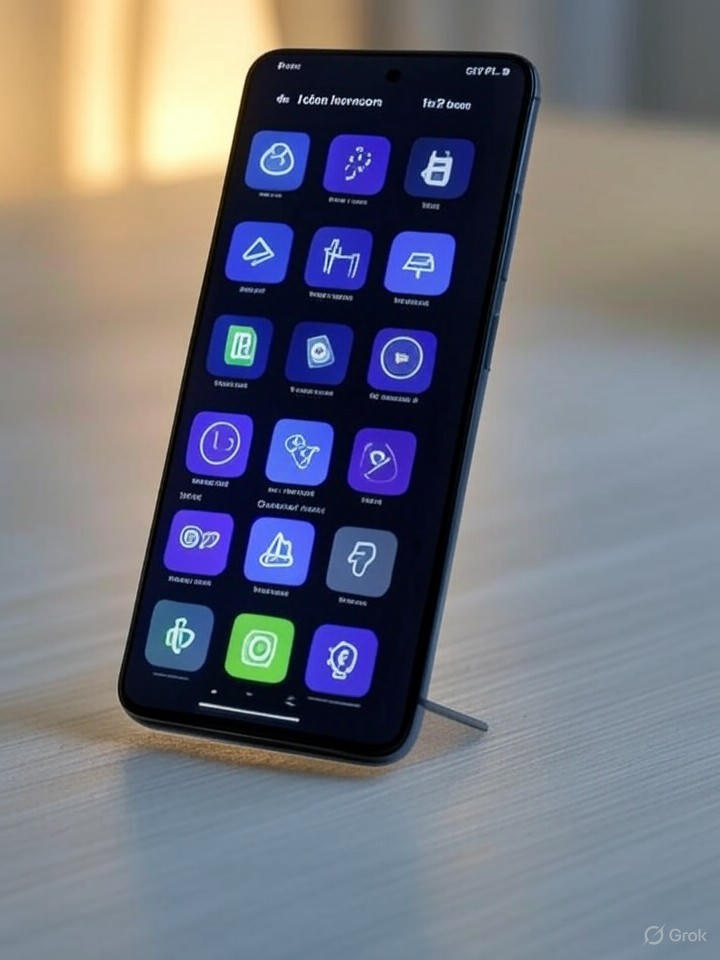
Google’s Android operating system is poised for a significant evolution with its upcoming update, introducing features that could redefine user customization and app compatibility. The latest beta release, Android 16 QPR2 Beta 1, is now rolling out to testers, bringing with it the ability to enforce dark mode and themed icons on applications that lack native support. This move signals Google’s intent to bridge gaps in app design, ensuring a more cohesive experience across the ecosystem.
Drawing from insights in a recent report by The Verge, the update expands on existing Material You theming, allowing users to override app settings for a uniform dark mode. This isn’t just cosmetic; it addresses long-standing user complaints about inconsistent interfaces, particularly in low-light environments where eye strain is a concern.
Enhancing User Control Over Aesthetics
For industry observers, this development underscores Google’s strategy to empower users amid growing demands for personalization. The forced dark mode feature, as detailed in Slashdot‘s coverage, works by system-level intervention, potentially improving battery life on OLED screens by reducing pixel illumination. Icon theming extends this further, applying dynamic color schemes to app icons that don’t adapt automatically, creating a seamless home screen aesthetic.
Beyond visuals, the update incorporates practical enhancements like improved parental controls and Bluetooth audio sharing, according to the same Slashdot analysis. These additions suggest Google is not only focusing on style but also on functionality, aiming to make Android more family-friendly and connected in multi-device scenarios.
Addressing Historical Bugs and Future Implications
However, this isn’t Google’s first foray into dark mode refinements. Earlier in the year, Ars Technica highlighted a persistent bug in Android 16’s automatic dark theme scheduling, which lingered for months before a planned fix in a Pixel Drop. The new beta appears to build on those lessons, offering more robust tools to mitigate such issues proactively.
Industry insiders note that these features could influence app developers, pressuring them to adopt native support to avoid system overrides that might not perfectly align with their designs. As reported in Neowin, the beta’s dark theme enhancements are particularly appealing to enthusiasts, potentially setting a new standard for accessibility and user preference enforcement.
Broader Ecosystem Integration and Rollout Timeline
The update also includes better data migration tools and PDF editing capabilities, rounding out a package that’s slated for a full release later this year. This aligns with Google’s quarterly platform releases, ensuring steady improvements without waiting for major annual overhauls. For Pixel device owners, the beta is accessible now, providing a glimpse into how these changes will integrate with hardware like the upcoming Pixel 10 series, as previewed in Android Infotech.
Critically, security remains a priority, with the August 2025 patch addressing vulnerabilities, per Field Effect‘s security bulletin. This holistic approach—combining aesthetics, usability, and safety—positions Android 16 as a pivotal update in Google’s mobile strategy.
Potential Challenges and Developer Response
Yet, challenges loom. Forcing themes on non-compliant apps could lead to visual glitches or performance hiccups, a risk acknowledged in community discussions on platforms like Reddit’s r/Android, where users have long debated dark mode reliability. Developers might need to accelerate updates to maintain control over their app’s appearance, fostering a more adaptive development environment.
Looking ahead, this beta hints at Google’s vision for a more unified Android experience, potentially influencing competitors like Apple’s iOS. As the full rollout approaches in Q4 2025, stakeholders will watch closely to see how these features reshape user interactions and app standards in the mobile space.


 WebProNews is an iEntry Publication