
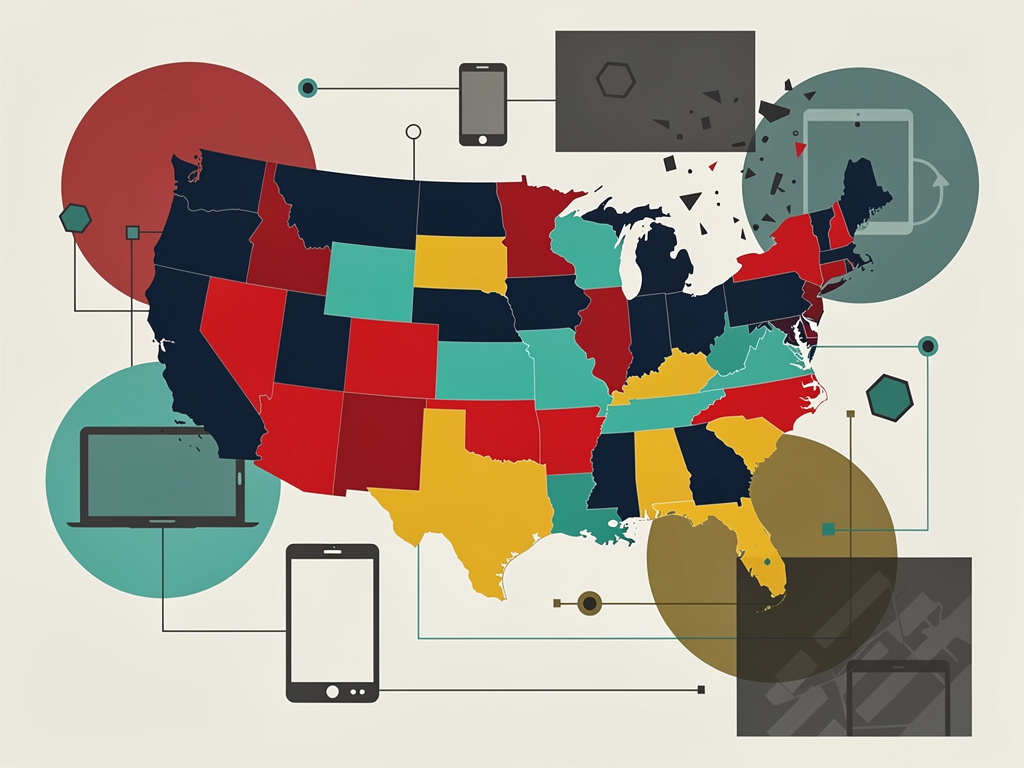
Consumers across the U.S. are pushing back against manufacturers who block independent repairs. California, Colorado, Minnesota, New York, Connecticut, Oregon, and Washington have enacted broad right-to-repair rules. These cover phones, laptops, farm gear, wheelchairs, even cars. And the drive shows no signs of slowing.
Advocates now track 57 bills in 22 states. Maine’s senate just advanced electronics repair legislation. Texas kicks off its law September 1, hitting phones, laptops, tablets—but skipping medical devices, farm equipment, game consoles. Small businesses cheer. The National Federation of Independent Business says 89% of members back these measures. It’s their top priority for 2026.
Senator Josh Hawley, Republican from Missouri, teams with Democrat Ben Ray Luján from New Mexico on the REPAIR Act. The bill demands automakers hand over repair data to owners, indie shops, aftermarket makers. No more routing folks to pricey dealerships. “Big corporations have a history of gatekeeping basic information that belongs to car owners, effectively forcing consumers to pay a fixed price whenever their car is in the shop,” Hawley told CNBC. “The bipartisan REPAIR Act would end corporations’ control over diagnostics and service information and give consumers the right to repair their own equipment at a price most feasible for them.”
Federal Momentum Builds Amid State Wins
That bipartisan spark lights up Washington. Rep. Marie Gluesenkamp Perez, a Washington Democrat and auto shop co-owner, joined Rep. Joe Morelle and Luján on the Fair Repair Act in February. It forces makers to supply parts, tools, diagnostics for electronics. “It’s just common sense, when you buy something, you should be able to fix it,” Morelle said, per Perez’s office site announcement. Gay Gordon-Byrne of Repair.org added: “We’re excited to see Rep Morelle… continue to press for our collective rights to repair the things we buy. His work has stood the test of time and is the basis of laws in 11 states with more underway.”
Nathan Proctor of U.S. PIRG’s Right to Repair campaign chimes in: “Repair is essential—it saves consumers money, it prevents electronic waste. That’s why Right to Repair has been a topic in every state in the country, and now law in nearly a dozen states.” A March poll by the CAR Coalition found 85% of Americans back the REPAIR Act, with 82% Republicans and 80% Democrats in favor, as detailed on their site.
States keep piling on. All 50 have seen bills at some point, per Repair.org’s tracker. Colorado’s electronics law took effect January 1, alongside Washington’s and Nevada/Oregon wheelchair rules, Waste Dive reports. Kansas passed HB 2700 in April, creating a digital right-to-repair act. Wyoming advanced a similar measure amid pushback. Alabama eyes wheelchairs with HB 258; Alaska has broad bills SB 111 and HB 162.
But hurdles remain. Automakers fight back. In Massachusetts, voters approved auto repair access in 2012 and 2020, yet OEMs sued. A judge dismissed in February 2025; appeals drag on, per Autobody News. Maine’s law hit January 2025, but Governor Janet Mills vetoed amendments in January 2026, citing risks to indie shops, according to Nelson Mullins. Subaru and Kia disabled telematics there rather than comply.
Colorado faces its own test. SB26-090 seeks exemptions for “critical infrastructure” gear, potentially gutting the nation’s strongest electronics law, iFixit warns. Security groups carved out fire alarms and intrusion detectors in New York, California, Minnesota, Colorado laws, SIA notes.
Farmers led early fights—John Deere tractors locked by software. Now it spans wheelchairs (Alabama, Nevada), boats (Delaware HB 279), even military gear (Warrior Right to Repair Act, S.2209 by Sen. Elizabeth Warren). PIRG tracks progress from Florida to Kansas, with 57 active bills this year alone, via their update.
Opposition cites cybersecurity. NHTSA flagged Massachusetts’ telematics openness in 2023, warning of remote hacks. The REPAIR Act preempts states, aiming uniform rules, Sidley analyzes. Yet polls show voters overriding: 84% in Maine, 74% in Massachusetts for autos.
New York Senator Patricia Fahy, who sponsored the nation’s first electronics law, told CNBC she expects federal action. Every state touched bills. Momentum unbreakable. Manufacturers concede in places—Apple shifted after California pressure. But the battle rages. Consumers demand ownership. Not rentals disguised as sales.
Repair rights cut costs, curb waste, sustain local shops. NFIB members know: 89% yes. Bipartisan polls confirm. States prove it works. Federal law next?


 WebProNews is an iEntry Publication