
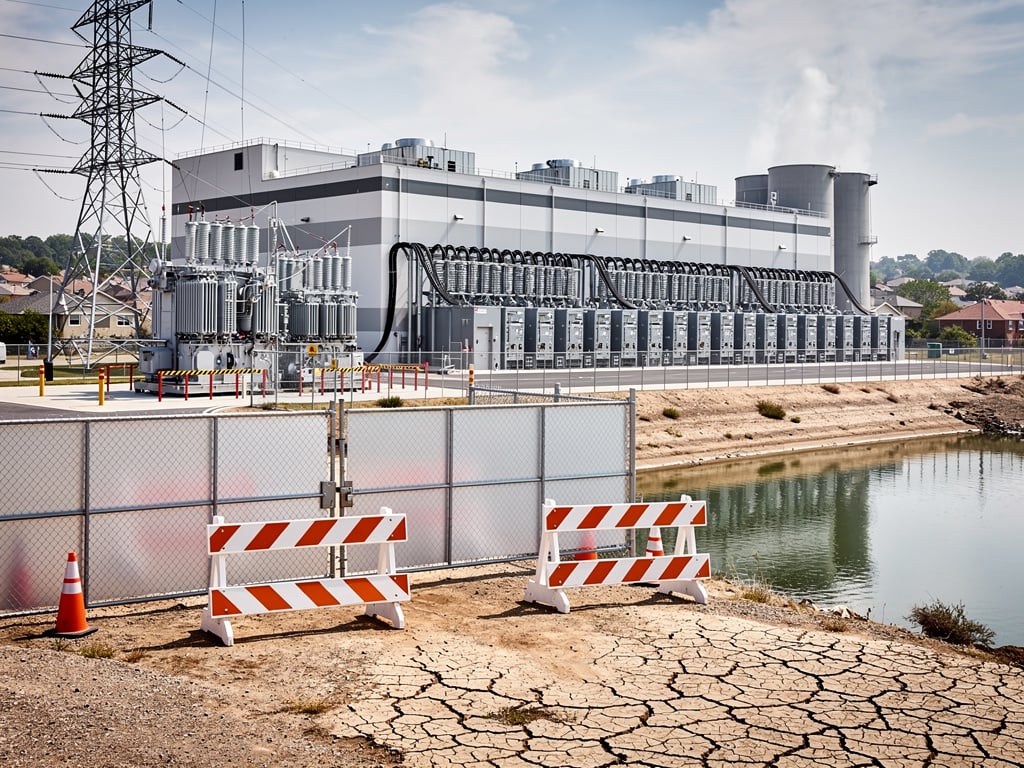
Americans have grown more vocal in their resistance to new data center construction across the country. Local communities cite concerns over massive electricity consumption, strain on water resources, increased noise pollution, and limited economic benefits for residents. This pushback reflects a broader tension between the explosive growth of artificial intelligence and cloud computing and the practical realities of supporting such infrastructure at the local level.
The opposition has taken many forms. In some states, residents have filed lawsuits, organized protests, and lobbied lawmakers to impose stricter regulations. Others have successfully delayed or blocked projects through zoning challenges and environmental reviews. The trend appears to be accelerating as more communities witness the scale of these facilities firsthand. According to reporting by TechRadar, this resistance spans dozens of states and shows no signs of slowing.
Virginia has emerged as a primary battleground. The state hosts one of the largest concentrations of data centers in the world, particularly in Northern Virginia near Ashburn. Local groups there have complained about the facilities consuming enormous amounts of power and contributing to higher electricity rates for residents. In 2023, several counties attempted to limit further construction through moratoriums and stricter permitting processes. Loudoun County, often called Data Center Alley, has seen particularly intense debates as officials balance tax revenue against quality-of-life issues.
In Georgia, residents near Atlanta have raised alarms about water usage. Data centers require substantial amounts of water for cooling systems, especially in warmer climates. During periods of drought, this demand creates tension with agricultural needs and municipal supplies. Community organizations have petitioned state regulators to require more transparent reporting on water consumption and to mandate alternative cooling technologies that use less resources.
Oregon has faced similar battles in rural areas where tech companies have sought to build large facilities. Local farmers and environmental advocates argue that the projects threaten groundwater supplies and could drive up energy costs. In some cases, voters have supported ballot measures aimed at restricting industrial development in agricultural zones. These efforts demonstrate how data center opposition often unites unlikely allies, from conservationists to property rights advocates.
Arizona’s desert environment has made water concerns even more pressing. Several proposed facilities in the Phoenix metropolitan area have encountered strong resistance from both Native American tribes and suburban neighborhoods. Critics point out that while the centers promise jobs, most positions require specialized technical skills that many local workers do not possess. The economic benefits, they argue, flow primarily to out-of-state corporations while the burdens remain with Arizona communities.
In Illinois, the Chicago suburbs have seen organized campaigns against multiple projects. Residents have highlighted noise from cooling fans as a major quality-of-life issue. Sound levels from some facilities can reach 60 to 70 decibels at property lines, comparable to a busy highway. This has led to lawsuits claiming violations of local noise ordinances. Some municipalities have responded by updating their codes to include specific limits on data center operations.
Texas presents a complex picture. While the state has welcomed data centers in many areas due to its deregulated energy market and abundant land, certain communities have begun pushing back. Outside Dallas and Austin, residents have expressed worry about the rapid pace of development. They question whether the grid can handle the additional load without risking blackouts or rate increases. The state’s independent grid operator has acknowledged that data centers now represent one of the fastest-growing segments of electricity demand.
California, despite its tech-heavy economy, has also seen resistance in certain regions. The high cost of electricity and frequent drought conditions have made data centers less attractive in many counties. Environmental groups have used the state’s strict California Environmental Quality Act to challenge projects on grounds ranging from habitat disruption to increased greenhouse gas emissions. Some cities have imposed temporary bans while they study the long-term impacts.
New York has witnessed protests in rural upstate communities where developers have proposed converting former industrial sites into data centers. Opponents argue that these facilities would create few permanent jobs while requiring significant infrastructure upgrades paid for by local taxpayers. Similar concerns have appeared in Massachusetts, where historic towns near Boston have fought against projects that they believe would alter the character of their communities.
The reasons for opposition vary but often center on resource consumption. Modern data centers can use as much electricity as a small city. A single large facility might consume 100 megawatts or more, with some hyperscale projects planned to exceed 500 megawatts. This demand comes at a time when many regions are already struggling to meet existing needs while transitioning to renewable sources.
Water usage adds another dimension. Evaporative cooling systems can consume millions of gallons annually. In areas facing water scarcity, this creates direct competition with other users. Even facilities that use dry cooling or advanced technologies still require periodic water for maintenance and backup systems. Companies have begun exploring alternative approaches, including immersion cooling and wastewater recycling, but adoption remains limited.
Noise pollution represents a more immediate concern for neighbors. The constant hum of thousands of servers and cooling fans can disrupt sleep and affect property values. Some facilities have installed sound barriers, but these prove only partially effective at larger scales. Legal challenges based on nuisance claims have succeeded in several jurisdictions, forcing operators to reduce operating hours or install additional mitigation measures.
Traffic impacts also factor into local resistance. Construction phases can last for years and involve heavy equipment that damages roads. Once operational, the facilities generate continuous truck traffic for maintenance and occasional equipment replacement. Emergency services sometimes express concern about responding to incidents at these high-security sites.
Economic arguments on both sides have grown more sophisticated. Proponents emphasize tax revenue and indirect job creation in construction and support services. Critics counter that the tax abatements often granted to data center operators reduce the net benefit. They also note that property values near these facilities sometimes decline due to aesthetic and noise concerns.
State governments have responded in different ways. Some have passed legislation to streamline approvals and offer incentives, viewing data centers as essential for economic competitiveness in the digital economy. Others have introduced requirements for impact studies, community benefit agreements, and stricter environmental standards. A few states have considered moratoriums on new construction until better planning frameworks exist.
Federal involvement remains limited but could increase. The Department of Energy has studied data center energy consumption and suggested voluntary efficiency standards. Congress has discussed legislation that would require more transparency about power usage effectiveness and carbon footprints. However, most regulatory authority continues to rest at the state and local levels.
The technology industry has started adapting its approach. Major cloud providers and hyperscalers now often engage in extensive community outreach before announcing projects. Some have committed to using renewable energy through power purchase agreements and to implementing water conservation measures. A few companies have begun locating new facilities in regions with surplus power capacity, such as areas with abundant hydroelectric or wind resources.
Despite these efforts, skepticism remains high in many communities. Past promises about job creation and environmental stewardship have not always matched outcomes. Residents have become more sophisticated in researching proposed projects and coordinating with neighboring jurisdictions. Social media has accelerated this trend by allowing rapid sharing of information about data center impacts in other states.
The tension reflects deeper questions about how society should balance technological advancement with local control. Artificial intelligence and cloud services deliver clear benefits to users worldwide, yet the physical infrastructure supporting them creates concentrated costs for specific communities. Finding an acceptable equilibrium will likely require new approaches to planning, regulation, and technology development.
Some experts suggest that future data centers could incorporate more sustainable designs from the outset. This might include locating facilities near renewable energy sources, using advanced cooling methods that minimize water consumption, and designing buildings that blend better with surrounding environments. Modular construction techniques could also reduce construction timelines and disruption.
Policy innovations might help as well. Performance-based regulations that tie permitting to measurable outcomes on energy efficiency, noise levels, and community benefits could provide clearer guidelines. Tax structures that reward genuine local hiring and infrastructure contributions might address economic concerns more effectively.
The resistance to data centers also highlights the need for greater public understanding of digital infrastructure. Many Americans benefit daily from services that rely on these facilities without realizing the physical resources required. Educational initiatives that explain the connection between cloud computing, artificial intelligence, and data centers might foster more informed discussions.
As demand for computing power continues to grow, driven by artificial intelligence training and inference needs, the pressure to build more facilities will intensify. Companies have announced plans for facilities that dwarf current installations in both size and power requirements. Meeting this demand while addressing legitimate community concerns will test the industry’s ability to innovate and adapt.
Local governments face difficult choices. They must weigh immediate revenue against long-term sustainability. Many lack the technical expertise to fully evaluate proposed projects or negotiate effectively with multinational corporations. Regional planning approaches that cross municipal boundaries could help create more consistent standards and prevent companies from pitting communities against each other.
The outcome of these conflicts will shape the geography of digital infrastructure for decades. States and localities that develop thoughtful frameworks for data center development may attract responsible operators while protecting resident interests. Those that simply offer the fewest restrictions might face growing backlash and eventual restrictions.
Communities that have successfully delayed or modified projects often cite persistence and coalition-building as key factors. By combining legal strategies, public advocacy, and engagement with elected officials, they have forced changes in project design and operation. This experience has created networks of activists who now share strategies across state lines.
The debate also raises questions about energy policy at a national level. If data centers continue consuming larger shares of electricity generation, this could affect the pace of decarbonization efforts. Some analysts argue for prioritizing certain types of computing loads or implementing demand-response systems that allow facilities to reduce consumption during peak periods.
Water resource management presents parallel challenges. As climate patterns shift, competition for limited supplies will likely increase. Data center operators may need to invest in technologies that eliminate evaporative cooling entirely or use non-potable water sources exclusively.
Looking forward, the industry appears to recognize that unchecked expansion is no longer viable in many markets. Executives have spoken about the need for better community engagement and more sustainable practices. Whether these statements translate into meaningful changes will determine if the current wave of opposition grows stronger or begins to subside.
The situation continues to evolve as new projects are announced and communities respond. What remains clear is that Americans are no longer willing to accept data centers as an inevitable consequence of technological progress without careful consideration of their impacts. This shift in public attitude may ultimately lead to better outcomes for both the industry and the places where it operates. The coming years will reveal whether these competing interests can reach workable accommodations or if conflict will define the relationship between data centers and their host communities.


 WebProNews is an iEntry Publication