
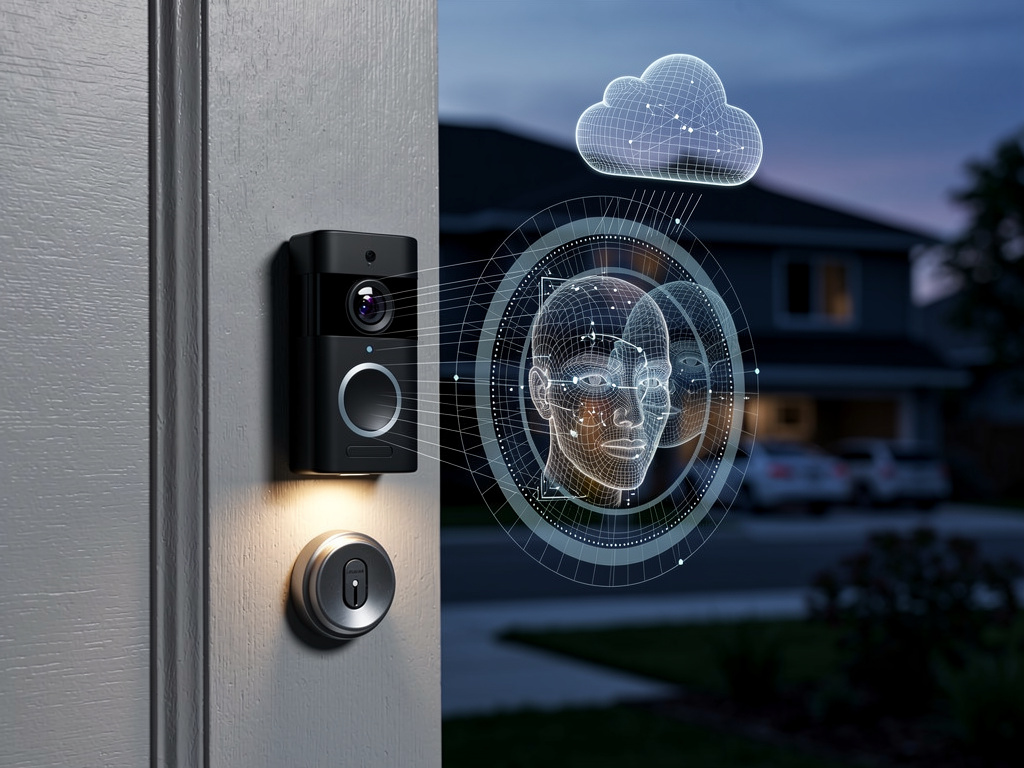
Amazon finds itself in court once more. This time the dispute centers on Ring doorbells that quietly build biometric profiles of visitors, delivery workers and even strangers walking past homes. A proposed class action filed this week accuses the company of collecting facial data without permission from millions who never agreed to any such surveillance.
Virginia resident Charles Sigwalt brought the suit in federal court in Seattle. He claims that when he visited friends and family members who own Ring devices, the cameras captured and stored images of his face. The optional Familiar Faces feature sits at the heart of the allegations. It uses artificial intelligence to recognize and label people who appear repeatedly at a property. Yet those labels rely on biometric templates created from faces the system encounters. And many of those faces belong to people who own no Ring product at all.
TechCrunch reported that the complaint states, “Millions of other Americans passed by a Ring security camera and unknowingly had their facial recognition information collected.” The suit seeks class-action status and at least $5 million in damages. Lawyers argue the practice violates privacy rights under state laws and common law principles. They say individuals never consented to having their facial geometry analyzed and retained.
But the story runs deeper. Ring has spent years expanding from simple video doorbells into a vast network of neighborhood cameras. Homeowners can share footage with police. The company has faced repeated accusations that its products turn private homes into nodes of public monitoring. This latest case shifts focus from law enforcement partnerships to the everyday data practices happening inside the app.
Familiar Faces rolled out late last year. Amazon positioned it as a convenience. Owners could tag frequent visitors so the system would announce, “Your neighbor John is at the door.” The feature requires user opt-in. That detail matters to Amazon’s defense. Yet the lawsuit contends that opt-in only covers the camera owner. Neighbors, package carriers, sidewalk pedestrians receive no notice and give no approval. Their biometric data gets processed anyway.
Critics have warned about exactly this scenario. The Electronic Frontier Foundation noted last year that Ring’s face recognition tool risked violating biometric consent laws in multiple states. The organization highlighted that companies must obtain affirmative consent before scanning faces in jurisdictions with strict rules. Amazon reportedly limited the feature’s availability in places like Illinois and Texas. Such moves suggest the company understood the legal exposure.
This suit arrives against a backdrop of earlier trouble. In 2023 the Federal Trade Commission extracted a $5.8 million settlement from Ring over separate privacy lapses. Those included allegations that employees viewed customer videos without proper safeguards. Amazon also paid more than $30 million in another FTC matter involving Alexa and Ring data practices. The pattern shows a company that repeatedly pushes data collection boundaries until regulators or plaintiffs push back.
Sigwalt’s complaint paints a picture of silent accumulation. Cameras record video. Software extracts facial landmarks. Templates are stored in the cloud. Over time the system builds a database of known faces for each household. The process happens automatically once the feature activates. Delivery drivers who visit dozens of homes daily could have their biometric signatures replicated across countless accounts. No one tells them. No one asks.
Privacy advocates argue this setup inverts traditional expectations. People expect their face might appear on a neighbor’s security feed. They do not expect that feed to feed a commercial biometric database. The distinction carries weight in court. Biometric information, once collected, is difficult to retract. A face scan cannot be changed like a password. Its permanent nature makes consent requirements more stringent.
Amazon declined to comment on the active litigation. That silence follows a familiar script. The company often emphasizes that features are optional and that customers control their devices. Yet control remains one-sided. The homeowner controls settings. The public supplies the raw material.
Legal experts following the case see potential for broader impact. If the class is certified, it could encompass anyone captured by a Ring camera with Familiar Faces enabled since the feature launched. That group likely numbers in the millions given Ring’s market penetration. Damages could multiply quickly under statutes that impose penalties per violation.
The suit also revives questions about Amazon’s approach to artificial intelligence in consumer products. The company has poured resources into computer vision. Ring cameras now offer bird’s-eye views, package detection and person alerts. Each advance extracts more value from the same video stream. Each advance raises the privacy stakes.
Earlier complaints targeted similar practices. A 2020 class action accused Ring of harvesting facial geometry from video feeds to train law enforcement tools. That case cited Illinois’ Biometric Information Privacy Act. The current litigation broadens the attack. It invokes common law invasion of privacy alongside statutory claims. Plaintiffs hope this mix will survive motions to dismiss.
Technology observers note the tension between innovation and consent. Facial recognition delivers real utility. It can alert owners to specific threats or automate routines. Yet those gains come at the expense of bystanders who never opted into the system. The law has yet to strike a clear balance. Courts will now weigh in.
Sigwalt seeks to represent every person in the United States whose facial data was collected by the feature. That ambition reflects the scale of modern home surveillance. One camera on a porch can touch hundreds of faces over months. Multiply by hundreds of thousands of devices and the numbers grow large enough to justify class treatment.
Amazon built Ring into a dominant player by promising peace of mind. The question now is whether that promise included an unspoken trade-off. Homeowners gained security. Everyone else lost a measure of anonymity. The lawsuit forces a reckoning with that exchange.
Outcomes remain uncertain. Amazon possesses deep resources and sophisticated legal teams. Past settlements suggest willingness to resolve matters before trial. Yet biometric cases have produced substantial verdicts elsewhere. The stakes have risen as public awareness of data practices grows.
One thing appears clear. The debate over facial recognition in everyday devices will not fade. More products will incorporate similar capabilities. More lawsuits will test the limits of consent. Companies like Amazon must decide whether to prioritize convenience or build explicit permission into every layer of their systems. The Seattle courtroom may offer the next chapter in that decision.


 WebProNews is an iEntry Publication