
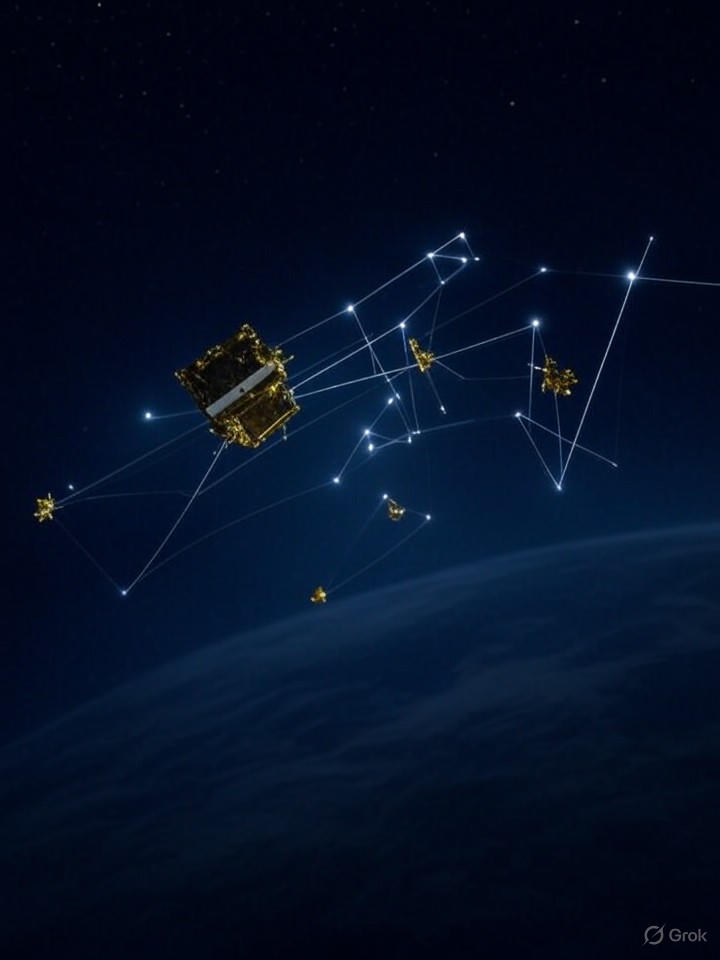
Amazon’s ambitious push into satellite-based internet has reached a notable milestone, with its Project Kuiper constellation surpassing 100 satellites in orbit following a recent launch. This development intensifies the rivalry with SpaceX’s Starlink, as Amazon deploys hardware to bridge global connectivity gaps, particularly in underserved regions. The latest batch of 24 satellites was lofted aboard a SpaceX Falcon 9 rocket, marking an ironic collaboration between competitors in the burgeoning field of low-Earth orbit broadband.
Despite weather delays that postponed the mission multiple times, the successful deployment from Cape Canaveral underscores Amazon’s determination to accelerate its timeline. Project Kuiper, backed by the e-commerce giant’s vast resources, aims to deploy over 3,000 satellites eventually, promising high-speed internet to remote areas where traditional infrastructure falls short. This move comes amid growing demand for reliable connectivity, driven by remote work, streaming, and IoT applications.
Strategic Partnerships and Ironies in Orbital Expansion
The reliance on SpaceX for launches highlights the complex dynamics at play. According to reports from CNBC, this was the fourth such mission, bringing the total to 102 satellites and signaling a shift from prototyping to operational scaling. Amazon’s choice of rival rockets stems from delays in its own launch providers, yet it allows Kuiper to gain momentum without waiting for alternatives like Blue Origin’s New Glenn.
Industry observers note that while Starlink boasts thousands of satellites and millions of users, Kuiper’s progress could disrupt the market through Amazon’s integration with services like AWS. As detailed in a TechTarget analysis, both systems use similar low-Earth orbit technology for low-latency connections, but Amazon’s $2 trillion backing enables aggressive investments in user terminals and global partnerships.
Challenges Ahead: Regulatory Hurdles and Market Penetration
However, challenges loom large. Amazon must meet FCC deadlines to deploy half its constellation by 2026 to retain spectrum rights, a pressure point amid production ramp-ups. Posts on X from industry watchers, including updates on delayed timelines, reflect sentiment that Kuiper is playing catch-up, with Starlink’s head start at over 7,000 operational satellites creating a formidable barrier.
Environmental concerns also persist, as experts cited in Scientific American warn of increased space debris and interference with astronomy from mega-constellations. Amazon has pledged sustainable practices, including deorbiting protocols, but scaling to thousands of satellites will test these commitments.
Global Ambitions and Competitive Edge
Looking ahead, Kuiper’s expansion plans include international deals, such as a partnership with Australia’s NBN Co for rural coverage by mid-2026, as reported by LaGrada Online. This positions Amazon to challenge Starlink in key markets, leveraging lower-cost terminals and enterprise-focused services.
For investors, this milestone boosts confidence in Amazon’s diversification beyond e-commerce. As TipRanks notes, the project’s success could enhance stock value by tapping into the trillion-dollar connectivity market. Yet, with Starlink’s dominance, Kuiper’s true test will be in delivering consistent service and winning subscribers in a crowded arena.
Future Trajectories: Innovation and Rivalry in Space
Innovation remains key, with Kuiper testing laser links for faster data relay, mirroring Starlink’s advancements. A Reuters account of earlier launches emphasizes how Amazon’s entry could lower prices and spur competition, benefiting consumers worldwide.
Ultimately, as both companies vie for orbital supremacy, the race underscores broader shifts in telecommunications, where space-based solutions are redefining access and speed. Amazon’s steady progress to over 100 satellites marks a pivotal step, but sustaining the pace against Starlink’s lead will demand flawless execution in the years ahead.


 WebProNews is an iEntry Publication