
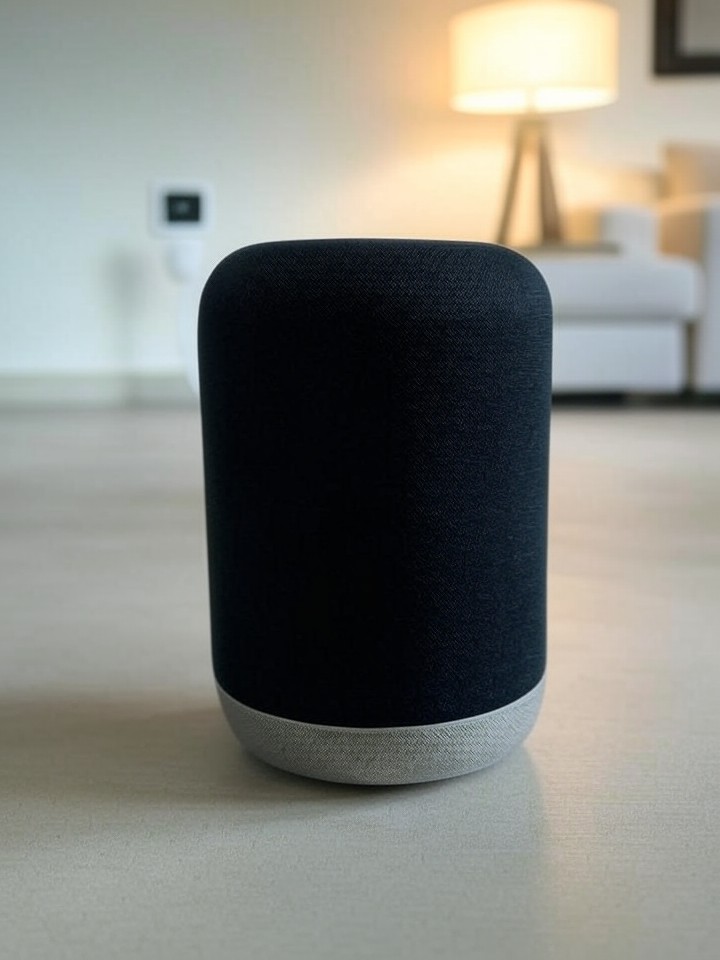
Alexa+’s Free Ride: Are Users Beta Testers or Just Too Demanding?
In the ever-evolving world of artificial intelligence, Amazon’s latest iteration of its voice assistant, Alexa+, has sparked a heated debate among users and tech enthusiasts. Rolled out as a free upgrade for Prime members, this generative AI-powered version promises smarter conversations, better task handling, and seamless integration across devices. Yet, initial reactions have been mixed, with some decrying it as underwhelming and glitchy, while others suggest that complaints stem from inflated expectations for a no-cost service. This tension highlights broader questions about what consumers anticipate from complimentary AI tools in an era dominated by premium models like ChatGPT.
Drawing from recent user feedback and expert analyses, it’s clear that Alexa+ represents Amazon’s ambitious push to revitalize a product that has lagged behind competitors. The assistant, powered by advanced generative AI, aims to handle complex queries more naturally, from managing smart home devices to providing personalized recommendations. However, early adopters report issues like delayed responses, inaccurate interpretations, and an overly chatty interface that sometimes feels intrusive. These shortcomings have led to a wave of dissatisfaction, prompting discussions on whether the product is truly flawed or if users are overlooking its beta-like nature.
To understand this, it’s essential to examine the rollout context. Amazon announced Alexa+ at its 2025 Devices & Services Event, positioning it as a transformative update available at no extra charge to Prime subscribers. As detailed in an article from Aboutamazon, the service extends across Echo devices, Kindles, Rings, and Fire TVs, emphasizing conversational prowess and visual aids for tasks. Yet, the free access model raises inevitable trade-offs, including potential limitations in refinement compared to paid alternatives.
The Hype Versus Reality of AI Upgrades
Critics argue that Alexa+’s performance falls short of the revolutionary leap promised. For instance, testers have noted inconsistencies in voice recognition, where the assistant struggles with accents or ambient noise, leading to frustrating repetitions. This echoes sentiments from a hands-on review in Fortune, which described the beta version as needing significant improvements to compete with ChatGPT’s fluidity. The comparison is apt; while ChatGPT offers subscription-based enhancements for superior responsiveness, Alexa+ operates on a mass-scale, free model that inherently faces scalability challenges.
Moreover, the integration of generative AI introduces new complexities. Users expect instant, accurate responses, but the technology’s probabilistic nature means occasional hallucinations or off-topic replies. Posts on X reflect this frustration, with many users lamenting that Alexa+ feels like a step back from the original, more reliable version. One common gripe is the “hyper-chattiness,” where the assistant engages in unnecessary dialogue, slowing down simple commands like setting alarms or playing music.
Despite these issues, proponents defend Alexa+ by pointing to its gratis status. They argue that for a service bundled with Prime—already a value-packed subscription—demanding perfection is unrealistic. This perspective aligns with discussions in tech circles, where free AI tools are seen as entry points rather than polished products, encouraging user feedback to drive iterations.
User Experiences in the Wild
Diving deeper into real-world usage, anecdotal evidence from social platforms paints a vivid picture. Many Prime members who opted into Alexa+ report initial excitement turning to disillusionment. For example, the new voice, described by some as sounding like a “teenage girl,” has baffled users, as noted in a piece from Daily Mail Online. This change aims for a more relatable tone but often comes across as inconsistent or overly casual, disrupting the familiar user experience.
On the positive side, Alexa+ shines in areas like smart home control and task automation. Reviewers praise its ability to handle multi-step requests, such as coordinating lights, thermostats, and entertainment systems with minimal prompts. A review in Consumer Reports highlights improved conversational abilities, though it criticizes the accompanying app’s bugginess, which hampers overall usability. This duality suggests that while the core AI has potential, ecosystem flaws are magnifying perceived weaknesses.
Industry insiders note that Amazon’s strategy leverages its vast device network—over 600 million Alexa-enabled gadgets—to gather data for refinement. This mass beta testing approach, while efficient for the company, places the onus on users to tolerate imperfections. Comparisons to other free services, like basic versions of Google Assistant or Siri, reveal similar patterns: they provide utility but lack the depth of paid counterparts.
Expectations Shaped by Premium Competitors
The crux of the debate lies in user expectations molded by exposure to advanced, often subscription-based AI. In a landscape where tools like ChatGPT Plus offer rapid, context-aware interactions for a fee, free alternatives inevitably seem lackluster. A CNET article, reflecting on a year with Alexa+, describes it as “conversational and connected” but notes misgivings for non-Prime users or those seeking cutting-edge features, as per CNET.
This expectation gap is exacerbated by marketing. Amazon’s promotions tout Alexa+ as a “personal AI assistant that gets things done,” setting a high bar. Yet, as explored in a TechRadar piece questioning if users are beta testing the technology, the free model means ongoing tweaks based on live feedback, which can feel like unfinished business to consumers. The article posits that complaints might reflect overinflated hopes rather than inherent flaws, especially when TechRadar argues for tempering demands for complimentary services.
Furthermore, economic factors play a role. Amazon reportedly lost billions on the original Alexa, prompting a shift toward monetization through Prime integrations. By offering Alexa+ for free, the company aims to boost engagement and data collection, but this comes at the cost of user patience during the refinement phase.
Technical Hurdles and Future Prospects
From a technical standpoint, Alexa+’s challenges stem from the intricacies of voice AI. Unlike text-based systems, voice assistants must contend with real-time processing, accents, and environmental noise, amplifying error rates. Insights from developer resources on Amazon’s Alexa Developer site reveal the complexity of building voice apps, where generative AI adds layers of unpredictability. Early beta testers have encountered rate limits and inconsistent responses, mirroring issues in broader AI deployments.
Looking ahead, Amazon is addressing feedback through updates. Recent announcements include web and mobile expansions, as covered in Aboutamazon’s introduction of Alexa.com, enabling browser-based interactions without devices. This move, detailed in Aboutamazon, could democratize access and accelerate improvements via wider usage data.
Competitive pressures also influence perceptions. Lists of top AI voice assistants, such as those from Zendesk and ClickUp, position Alexa+ among leaders but note rivals like Google’s Gemini or Apple’s Siri evolving faster with AI integrations. For free services, the bar is set by what’s viable without subscriptions, often prioritizing reliability over innovation.
Balancing Innovation with User Tolerance
As Alexa+ matures, the debate underscores a pivotal shift in consumer tech: the trade-off between cost and quality. Users accustomed to free apps expect seamless experiences, yet AI’s developmental stage means iterations are part of the process. Posts on X highlight this, with developers discussing API constraints and the pains of building reliable agents, emphasizing that perfection takes time.
Amazon’s approach contrasts with subscription models, where revenue funds rapid enhancements. A Groove Technology overview of 2026’s best AI voice assistants notes that while Alexa+ excels in ecosystem integration, its free nature limits aggressive R&D compared to paid peers, as per Groove Technology.
Ultimately, whether Alexa+ is “really bad” or a victim of high expectations depends on perspective. For casual users, its free enhancements add value; for power users, it may fall short. As the service evolves, Amazon must navigate this feedback loop to transform beta pains into a robust, beloved assistant.
Evolving Standards in Voice AI
Reflecting on historical context, voice assistants like the original Alexa revolutionized homes but plateaued without AI breakthroughs. Past critiques, including those from tech commentators on X, labeled Alexa a “wasted opportunity” despite massive adoption. Now, with generative AI, Amazon seeks redemption, but the free model invites scrutiny.
Innovations like visual aids and continuous conversation—where users don’t repeat “Alexa”—show promise, as described on Alexa.amazon.com. These features aim to make interactions more intuitive, potentially closing the gap with expectations.
In the end, Alexa+’s journey illustrates the challenges of delivering sophisticated AI gratis. By fostering user involvement in its development, Amazon bets on collective input to refine the product, hoping to align reality with aspirations in the competitive arena of voice technology.


 WebProNews is an iEntry Publication