
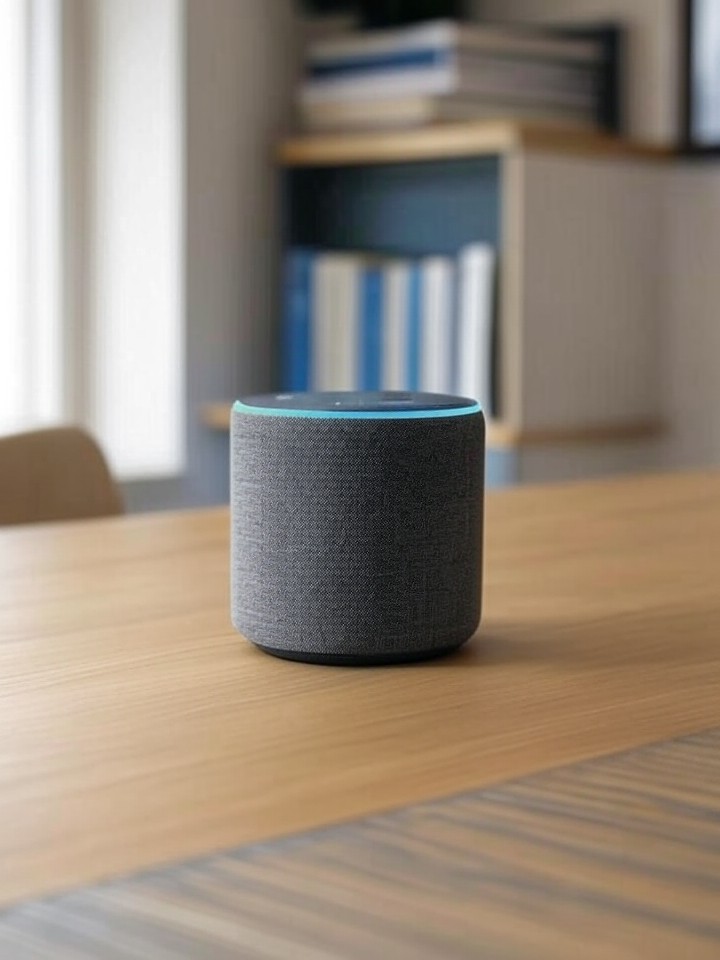
Amazon’s Quiet Revolution: Prime Members Wake Up to Alexa Plus
In a move that has sparked both excitement and frustration among its vast user base, Amazon has begun automatically upgrading Amazon Prime members’ Echo devices to Alexa Plus, the company’s next-generation AI-powered voice assistant. This development, reported widely across tech media, marks a significant shift in how Amazon integrates advanced artificial intelligence into its ecosystem. Prime members, who pay for perks like free shipping and video streaming, are now finding their smart home devices enhanced with generative AI capabilities without explicit consent, raising questions about user autonomy and corporate strategy in the competitive AI arena.
The upgrade process appears seamless but involuntary for many. Users have reported waking up to notifications on their Echo speakers or through the Alexa app, informing them that their devices have been updated to Alexa Plus. This version promises more conversational interactions, better context awareness, and integration with third-party AI models like Anthropic’s Claude, as detailed in various announcements from Amazon. However, the automatic nature of the rollout has led to backlash, with some members expressing dissatisfaction over the lack of an opt-out option at the initial stage.
According to sources, the upgrade is being pushed to compatible Echo devices, which Amazon claims encompass 97% of its hardware lineup. This broad compatibility ensures that even older models can benefit from the enhanced features, potentially extending the lifecycle of existing products. Yet, the forcible aspect has drawn comparisons to past tech controversies, where companies like Microsoft have auto-updated software, sometimes to user chagrin.
The Genesis of Alexa Plus
Alexa Plus isn’t a sudden invention; its roots trace back to Amazon’s ongoing efforts to revitalize its voice assistant amid stiff competition from rivals like Google’s Assistant and Apple’s Siri, both of which have incorporated advanced AI elements. Early hints of this upgrade emerged in 2024, with reports from CNBC indicating Amazon’s plans for an AI-driven overhaul, including a potential subscription model. By 2025, Amazon officially unveiled Alexa Plus, positioning it as a “supercharged” version powered by generative AI.
The service was initially rolled out in phases: first to new Echo devices, then via manual upgrades where users could say “Alexa, upgrade” to opt in. Publications like The Verge covered these early stages, questioning whether the enhancements truly represented an improvement over the original Alexa. Features include personalized responses, memory of past conversations, and agentic actions—allowing Alexa to perform tasks autonomously, such as ordering groceries based on user habits.
Amazon’s strategy ties Alexa Plus closely to Prime membership, making it free for subscribers while charging non-Prime users $20 per month, as noted in coverage from AFTVnews. This bundling aims to add value to Prime, which has seen subscription fees rise over the years, and positions Amazon to monetize its AI investments through its loyal customer base.
User Reactions and Backlash
Social media platforms, particularly X (formerly Twitter), have buzzed with user sentiments ranging from enthusiasm to outright anger. Posts on X highlight a divide: some praise the improved intelligence, with one user noting how Alexa Plus seamlessly integrated with their smart home setup for more intuitive controls. Others decry the intrusion, likening it to an unwanted software update that alters familiar interactions.
For instance, complaints center on changes to voice commands and privacy concerns, as the AI’s enhanced listening capabilities raise fears of deeper data collection. Tech forums like Reddit’s r/amazonecho have threads debating the worth of Alexa Plus, with users sharing experiences of reverted upgrades after contacting support. This mirrors broader discussions in the industry about consent in AI deployments.
Amazon has responded by emphasizing that users can revert to the classic Alexa through settings in the app, a point clarified in recent articles from Thurrott. However, the initial auto-upgrade has fueled debates on whether such tactics erode trust, especially as Amazon pushes to dominate the consumer AI space.
Technical Underpinnings and Compatibility
Diving deeper into the technology, Alexa Plus leverages Amazon’s proprietary AI models alongside partnerships, such as with Anthropic, to deliver more natural language processing. This allows for complex queries, like summarizing news or generating creative content on the fly, far beyond the original Alexa’s scripted responses. TechCrunch reports that Amazon’s confidence in compatibility stems from software optimizations that minimize hardware demands, enabling even 2010s-era Echo dots to run the new system.
The upgrade process involves over-the-air updates, similar to smartphone OS refreshes, ensuring minimal disruption. Yet, some users with customized routines have reported glitches, prompting Amazon to release patches swiftly. This technical prowess underscores Amazon’s investment in AI infrastructure, including custom chips designed for efficient voice processing.
Integration extends beyond Echo devices; Alexa Plus is accessible via web browsers and apps, with early access programs dating back to 2025, as per Amazon’s own product pages. This multi-platform approach aims to create a cohesive ecosystem, where Prime members can interact with Alexa across devices seamlessly.
Strategic Implications for Amazon
From a business perspective, this auto-upgrade aligns with Amazon’s broader ambitions in AI and smart home dominance. By making Alexa Plus a default for Prime members, Amazon not only boosts engagement but also collects valuable data to refine its models. Analysts suggest this could lead to higher retention rates for Prime, which boasts over 200 million subscribers globally.
Competitively, it positions Amazon against players like OpenAI’s ChatGPT and Google’s Bard, which have voice interfaces but lack the hardware integration Amazon offers. Coverage from About Amazon at CES 2026 highlighted integrations with Fire TV and Ring, expanding Alexa Plus’s utility in entertainment and security.
However, risks abound. Regulatory scrutiny over data privacy, especially in the EU with GDPR, could complicate global rollouts. Moreover, if user dissatisfaction grows, it might prompt churn, echoing past backlashes against ad insertions in Prime Video.
Industry-Wide Ramifications
The Alexa Plus saga reflects wider trends in the tech sector, where companies increasingly bundle AI features to justify premium services. Microsoft’s Copilot in Office suites and Google’s AI overviews in search demonstrate similar pushes, often with opt-out mechanisms added post-launch due to feedback.
For consumers, this means navigating an era where devices evolve without permission, potentially enhancing convenience but at the cost of control. Industry insiders note that Amazon’s move could set precedents for how AI is deployed in consumer electronics, influencing standards for transparency and user choice.
Looking ahead, Amazon’s plans include further enhancements, such as deeper personalization and expanded third-party app support, as teased in earnings calls. This could solidify Alexa Plus as a cornerstone of the smart home, but only if Amazon addresses current grievances effectively.
Voices from the Community
Feedback from user communities provides a ground-level view. On platforms like Reddit, discussions in threads from 2025 onward weigh the pros and cons, with many Prime users appreciating the free access but questioning the AI’s accuracy in niche tasks. X posts echo this, with viral threads praising features like real-time translation during conversations.
Experts in AI ethics have weighed in, urging Amazon to prioritize explicit consent in future updates. Publications like Android Authority capture user unhappiness, quoting complaints about altered voice tones and unexpected behaviors.
Amazon’s support forums are abuzz with tutorials on reverting, indicating a proactive user base unwilling to accept changes blindly.
Future Horizons for Alexa
As the rollout continues, Amazon is likely to refine its approach based on data analytics and feedback loops built into Alexa Plus. Potential expansions could include healthcare integrations or educational tools, leveraging AI for personalized experiences.
The economic angle is compelling: by tying Alexa Plus to Prime, Amazon offsets development costs through subscription revenue, potentially funding further innovations. This model might inspire competitors to adopt similar strategies, reshaping how AI services are monetized.
Ultimately, the success of this upgrade hinges on balancing innovation with user respect, a tightrope Amazon must walk carefully in an increasingly AI-centric world.
Ecosystem Expansions and Challenges
Beyond voice, Alexa Plus integrates with Amazon’s vast array of services, from shopping recommendations to entertainment suggestions, creating a more unified user experience. This synergy is evident in recent CES announcements, where Alexa Plus powers enhanced Fire TV interfaces for voice-controlled streaming.
Challenges persist, including ensuring accessibility for all users, such as those with disabilities who rely on consistent voice commands. Amazon has pledged updates to address these, but initial rollouts have exposed gaps.
In the global context, varying regulations on AI and data use could lead to region-specific versions, complicating Amazon’s unified strategy.
Reflections on Corporate Power
This development underscores the immense influence tech giants wield over daily life. Amazon’s ability to update millions of devices overnight highlights the double-edged sword of connected ecosystems—convenience paired with potential overreach.
Industry observers predict that if Alexa Plus gains traction, it could accelerate AI adoption in homes, paving the way for more immersive technologies like augmented reality integrations.
As Prime members adapt, the true test will be whether this upgrade enhances loyalty or sparks a reevaluation of subscription value.


 WebProNews is an iEntry Publication