
Streaming’s Gridiron Triumph: Amazon’s Record-Breaking NFL Playoff Broadcast
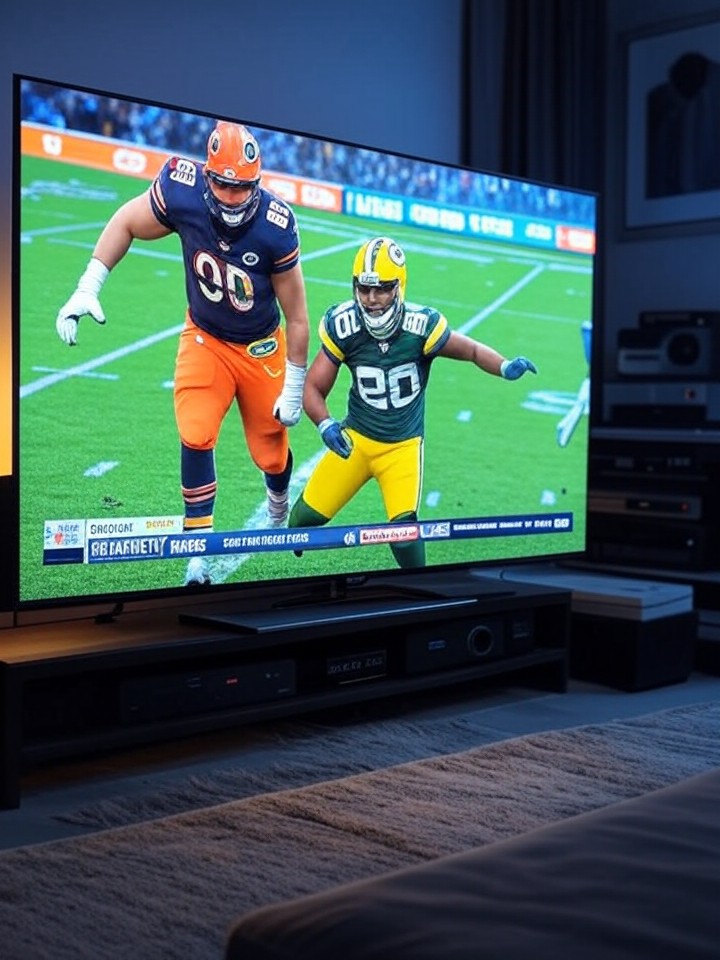
The National Football League’s push into digital broadcasting reached a pivotal milestone this past weekend when Amazon’s Prime Video streamed the wild-card playoff game between the Chicago Bears and Green Bay Packers, drawing an unprecedented audience. According to reports, the matchup attracted over 31 million viewers, shattering previous streaming records and signaling a seismic shift in how Americans consume live sports. This event not only highlights the growing dominance of streaming platforms in sports media but also underscores the NFL’s strategic pivot toward digital distribution to capture younger, tech-savvy audiences.
Details from Business Insider reveal that the game averaged 31.61 million viewers, eclipsing the prior mark set by Netflix’s Christmas Day broadcast of the Lions-Vikings game, which drew 27.52 million. This surge in viewership comes amid the NFL’s multi-year deals with streaming services, aiming to expand its reach beyond traditional cable and broadcast networks. Industry insiders note that such figures validate the league’s $1 billion-plus annual investment in streaming rights, positioning platforms like Amazon as key players in the future of sports entertainment.
The Bears-Packers rivalry, one of the oldest in professional football, added an extra layer of allure to the broadcast. Played on January 10, 2026, at 7 p.m. CT, the game featured high-stakes drama with playoff implications, drawing fans from across the NFC North and beyond. Amazon’s production incorporated advanced features like AI-generated graphics and real-time stats, enhancing the viewing experience and catering to data-driven fans, as highlighted in coverage from NBC News.
The Evolution of NFL Streaming
Amazon’s journey into NFL broadcasting began with its “Thursday Night Football” package, which has steadily built viewership since its inception. Recent innovations, such as integrating augmented reality overlays and interactive elements, have helped differentiate Prime Video from traditional broadcasters. This approach aligns with broader trends in media consumption, where viewers increasingly prefer on-demand, device-agnostic access to content.
Drawing from posts on X, formerly Twitter, there’s evident excitement around these numbers, with users noting the game’s status as the most-streamed NFL event ever. One post from a sports analyst emphasized how this record “clears the prior mark by 4M+,” reflecting the rapid growth in streaming adoption. Such sentiment underscores the mainstream acceptance of online platforms for major sporting events, a far cry from early skepticism about internet-based broadcasts.
Comparisons to past records provide context: For instance, a 2024 Thursday Night Football game on Prime set a then-high with 17.29 million viewers, as reported by ProFootballTalk. The progression from those figures to over 31 million illustrates the accelerating pace of change, driven by improved technology and broader subscriber bases. Amazon’s CEO Andy Jassy publicly celebrated the achievement, attributing it to the platform’s user-friendly interface and exclusive content strategy.
Behind the Numbers: Viewership Breakdown
Delving deeper into the metrics, the 31.61 million figure represents total unique viewers across the U.S., encompassing both Prime subscribers and those accessing via free trials or shared accounts. This methodology, standardized by Nielsen, ensures comparability with traditional TV ratings. Deadline reported that the game’s peak viewership likely occurred during critical moments, such as a thrilling fourth-quarter comeback attempt, which kept audiences glued to their screens.
The demographic breakdown is particularly telling for industry observers. Younger viewers, aged 18-34, comprised a significant portion of the audience, attracted by Amazon’s integration with smart devices and social media tie-ins. This contrasts with older demographics who might still favor cable, but the record suggests a bridging of generations through streaming. Yahoo Sports noted that the NFL’s desire for a stronger streaming presence has been realized, with this game serving as a benchmark for future playoff exclusives.
Factors contributing to the high turnout include the marquee matchup itself. The Bears and Packers, with their storied history dating back to 1921, embody classic NFL rivalries. Coverage from the Chicago Sun-Times detailed how quirks in the playoff scheduling landed this game on Prime Video, rather than a network like Fox or CBS, which traditionally handle such broadcasts. This decision, part of the NFL’s broader media rights agreement, allocated certain wild-card games to streamers to test and expand digital viewership.
Technological Innovations Driving Engagement
Amazon’s broadcast wasn’t just about the game; it was a showcase of cutting-edge technology. Features like “Prime Vision,” which offers alternative feeds with enhanced analytics, have become staples. NBC News explored how Amazon mixes advanced stats with AI graphics to appeal to hardcore fans, transforming passive viewing into an interactive experience. This innovation has implications for retention, as viewers spend more time engaged with supplementary content.
Moreover, the seamless streaming quality played a crucial role. Unlike early forays into online sports broadcasting that suffered from buffering issues, recent advancements in bandwidth and cloud infrastructure ensured a smooth experience for most users. Posts on X praised the lack of technical glitches, with one user highlighting how “streaming has become mainstream,” evidenced by the game’s accessibility to over 31 million people, many of whom subscribed specifically for the event.
The economic ripple effects are substantial. Amazon reportedly saw a spike in Prime sign-ups leading up to the game, similar to Peacock’s experience with a 2024 playoff exclusive that netted 2.8 million new subscribers, as per a Wall Street Journal report from that period. For the NFL, this validates the $110 million-plus deals for streaming rights, promising higher revenues from digital partners eager to leverage sports for subscriber growth.
Industry Implications and Future Prospects
This record-setting broadcast has broader implications for the sports media ecosystem. Traditional broadcasters like ESPN and Fox may face increased competition as streamers muscle in on premium content. The Hollywood Reporter noted that Prime Video’s telecast marked the largest audience for a streaming-exclusive NFL contest, setting a precedent for more such deals in upcoming seasons.
Looking ahead, the NFL’s 2026 schedule includes additional streaming exclusives, potentially building on this success. Industry insiders speculate that viewership could climb even higher with Super Bowl-caliber matchups or international expansions. Yahoo Sports’ analysis of how the Bears-Packers game ended up on Prime Video points to scheduling flexibilities that favor digital platforms, ensuring a mix of traditional and modern broadcasts.
Challenges remain, however. Not everyone has access to high-speed internet, and subscription costs can be a barrier. Yet, the overwhelming success suggests that streaming is no longer a niche; it’s integral to the NFL’s growth strategy. As one X post put it, this game “showed us just how mainstream streaming has become,” with most U.S. viewers needing a Prime subscription to tune in.
Rivalry’s Role in Record-Breaking Viewership
The Bears-Packers game’s inherent drama cannot be understated. With the Packers edging out a narrow victory in a thriller, the contest lived up to its billing. This rivalry, which has seen over 200 meetings, draws passionate fanbases, amplifying word-of-mouth promotion across social media. Deadline’s coverage emphasized the “wild card playoff thriller” aspect, which likely contributed to sustained viewership throughout the broadcast.
From a business perspective, Amazon’s investment in high-profile talent, including commentators like Al Michaels and Kirk Herbstreit, enhances production value. These elements, combined with targeted advertising, maximize revenue potential. Business Insider’s report on the record underscores how skepticism about online NFL viewing—”Who’s going to watch an NFL game on the internet?”—has been thoroughly debunked by these numbers.
Comparatively, historical data from X posts shows steady growth: A 2019 Eagles-Packers game drew 18.6 million across TV and digital, while more recent streams have pushed boundaries. The 2026 Bears-Packers broadcast not only surpassed these but also outpaced some traditional TV audiences, signaling a potential tipping point where streaming overtakes linear television for major events.
Strategic Shifts in Sports Media
The NFL’s embrace of streaming reflects a calculated response to cord-cutting trends. By partnering with Amazon, the league accesses a global platform, potentially expanding into markets like Europe and Asia where Prime has a strong foothold. This international angle could drive future viewership records, as the NFL seeks to grow its overseas fanbase.
Critics, however, point to accessibility issues. Not all fans can afford multiple subscriptions, leading to fragmentation. Yet, proponents argue that competition fosters innovation, benefiting consumers with better content. The Packers’ official site provided streaming details, emphasizing Prime Video’s role in delivering the game to a wide audience.
In reflecting on this milestone, it’s clear that Amazon’s record-breaking broadcast represents more than just numbers—it’s a harbinger of the digital era in sports. As platforms continue to invest heavily, the interplay between technology, content, and audience engagement will define the next chapter of NFL broadcasting, with this Bears-Packers game as a landmark achievement.


 WebProNews is an iEntry Publication