
Amazon’s Suburban Gambit: Launching a Mega-Store Empire from Chicago’s Outskirts
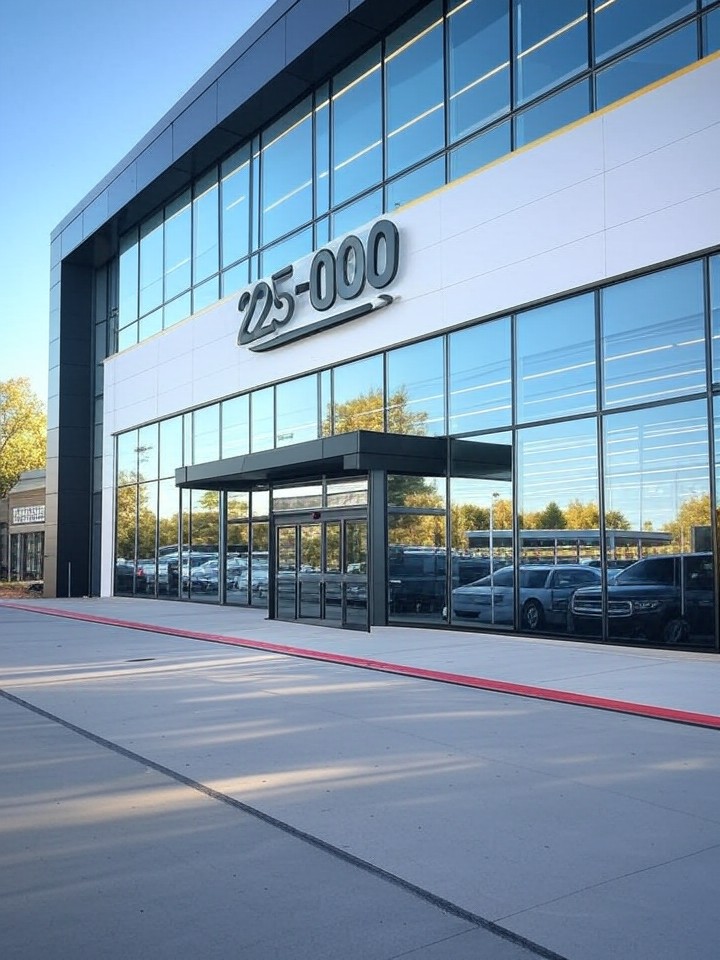
Amazon.com Inc. is charting a surprising course back into large-scale physical retail, with plans to erect a massive big-box store in the Chicago suburbs that could redefine how the e-commerce giant blends online prowess with brick-and-mortar presence. According to recent reports, the company has filed proposals for a 225,000-square-foot facility in Orland Park, Illinois, a location that would dwarf typical Walmart Supercenters and serve dual purposes as a shopping destination and fulfillment hub. This move comes amid a broader shift in retail strategies, where digital natives like Amazon are increasingly investing in tangible storefronts to capture in-person shoppers and streamline logistics.
The initiative revives concepts Amazon explored years ago but shelved during the pandemic, signaling a renewed confidence in hybrid retail models. Planning documents reviewed by local authorities describe a space equipped for groceries, general merchandise, and even prepared foods, potentially positioning it as a one-stop shop akin to traditional department stores or supercenters. Sources indicate that if approved, construction could commence later this year, with endorsements already coming from village officials including Orland Park Mayor Jim Dodge.
This development isn’t isolated; it reflects Amazon’s evolving approach to physical retail after years of dominating online sales. The company has dabbled in bookstores, convenience outlets like Amazon Go, and Whole Foods acquisitions, but a full-fledged big-box format marks a significant escalation. Industry observers note that this could help Amazon compete more directly with rivals like Walmart and Target, who have long mastered the art of integrating e-commerce with vast physical footprints.
Blending Bricks and Clicks in Orland Park
At the heart of Amazon’s proposal is a multifaceted store design that merges retail and logistics under one roof. The Orland Park site, as detailed in submissions to the village’s planning commission, would facilitate in-store shopping while doubling as a distribution center for online orders. This hybrid model aims to reduce delivery times and costs, leveraging the store’s inventory for rapid fulfillment—a tactic that could give Amazon an edge in densely populated suburban areas.
Recent coverage from Engadget highlights how the store would offer groceries and merchandise alongside fulfillment operations, potentially creating a seamless experience for customers who browse aisles and pick up online purchases in one visit. This isn’t just about selling products; it’s about optimizing supply chains in a region where urban sprawl meets high consumer demand.
Local reactions have been mixed but largely positive, with economic boosters pointing to job creation and increased foot traffic. Orland Park’s planning body reviewed the project earlier this month, and with mayoral support, approval seems likely. However, challenges remain, including zoning hurdles and community concerns over traffic and environmental impact in a suburb already dotted with retail giants.
Echoes of Past Ambitions and Market Shifts
Amazon’s foray into big-box retail echoes earlier experiments that were paused amid economic uncertainties. Back in 2021, reports surfaced about plans for department-store-like locations in California and Ohio, each around 30,000 square feet—far smaller than the current proposal. Those ideas, as noted in analyses from The Information, were shelved, but the Chicago plan revives and scales them up dramatically.
The timing aligns with broader market dynamics, where traditional retailers are closing stores in urban centers due to rising costs and crime, leaving “food deserts” in places like Chicago proper. Posts on X (formerly Twitter) from users and news outlets have highlighted past exits by Walmart and Whole Foods from the city, prompting discussions about government-owned groceries—a stark contrast to Amazon’s private-sector push into the suburbs.
This suburban focus makes strategic sense: Chicago’s outskirts offer lower real estate costs, ample space for large builds, and access to a affluent consumer base less affected by urban retail woes. Bloomberg, via Investing.com, describes the store as “Walmart-style,” underscoring Amazon’s intent to challenge incumbents on their turf while incorporating tech-driven efficiencies like automated checkout and data analytics.
Competitive Pressures and Innovation Edge
Rivals are watching closely. Walmart, with its network of supercenters, has long combined retail with e-commerce, but Amazon’s tech ecosystem—think Prime memberships and Alexa integration—could introduce novel features. Imagine smart carts that suggest products based on online browsing history or in-store robots handling inventory, drawing from Amazon’s warehouse innovations.
Coverage in CNBC emphasizes the store’s size, larger than a Walmart Supercenter, which could accommodate expansive sections for electronics, apparel, and fresh foods. This scale allows Amazon to experiment with experiential retail, such as demo zones for gadgets or cafes with prepared meals, potentially attracting families and impulse buyers.
Moreover, the Chicago location taps into a region with shifting retail patterns. Recent X posts reference Kroger’s divestitures in the area amid mergers, signaling consolidation that Amazon could exploit. By entering this market, Amazon not only fills gaps left by departing chains but also positions itself as a community anchor, much like how it transformed book selling with physical outposts.
Logistics Synergies and Supply Chain Mastery
A key differentiator is the fulfillment aspect. Unlike pure retailers, Amazon’s store would serve as a mini-warehouse, enabling same-day delivery for online orders placed from nearby. This builds on the company’s history of converting defunct mall spaces into distribution hubs, as seen in past talks with Simon Property Group reported years ago on X by CNN.
Yahoo Finance notes that construction could start this year if approved, highlighting the project’s endorsement by local leaders. Such integration could cut last-mile delivery costs, a perennial challenge for e-commerce, by allowing customers to collect packages during shopping trips—reducing reliance on third-party carriers.
Industry insiders speculate this model could scale nationally, with Chicago as a proving ground. Amazon’s wearable tech, like the mentioned “Bee” device in reports from COINTURK FINANCE, might even play a role in store operations, aiding staff with task management and inventory tracking.
Community Impact and Economic Ripples
Beyond business strategy, the Orland Park store promises significant local benefits. Job estimates aren’t public yet, but similar Amazon facilities have created hundreds of positions in retail and logistics. In a suburb like Orland Park, this could boost tax revenues and stimulate adjacent businesses, from restaurants to suppliers.
However, not all views are rosy. Environmental advocates worry about increased traffic and emissions from a high-volume site. X discussions, including posts from weather and news accounts, touch on Chicago’s retail voids, suggesting Amazon’s entry might indirectly address urban food access by drawing shoppers regionally.
Referencing The Information again, the plans indicate a flexible design that could adapt to market feedback, perhaps incorporating sustainable elements like solar panels or electric vehicle charging to mitigate concerns.
Strategic Timing in a Post-Pandemic World
The push comes as consumers return to physical shopping post-COVID, blending it with online habits. Amazon, having acquired Whole Foods in 2017, has data on grocery preferences that could inform stocking decisions in the new store. This data-driven approach sets it apart from traditional big-box players.
Business Insider reports that the suburb has greenlit the bid, paving the way for a mega-store that combines shopping and e-commerce. This could pressure competitors to innovate, perhaps accelerating Walmart’s own tech integrations.
Looking ahead, if successful, this could herald a wave of Amazon supercenters across the U.S., targeting suburbs where land is plentiful and competition is ripe for disruption.
Technological Integration and Future Visions
Amazon’s tech arsenal will likely shine here. From AI-powered recommendations in aisles to cashierless technology borrowed from Amazon Go, the store could feel futuristic. Posts on X from industry watchers echo excitement about such innovations, drawing parallels to past retail experiments.
The project’s scale, as per TipRanks via The Fly, underscores Amazon’s ambition to dominate not just online but all facets of commerce. By confirming plans for groceries and prepared foods, as noted in COINTURK FINANCE, it positions the store as a daily destination.
Critics, however, question if Amazon’s dominance could stifle smaller retailers, echoing antitrust concerns that have dogged the company.
Broader Implications for Retail Evolution
This Chicago venture might signal a renaissance for big-box formats, adapted for the digital age. Amazon’s entry could revitalize suburban economies while challenging urban retail decline narratives seen in X posts about store closures.
With endorsements secured and plans advancing, the Orland Park store represents Amazon’s boldest physical retail bet yet. Success here could reshape how Americans shop, merging convenience with cutting-edge logistics in ways that extend far beyond Illinois.
As the project unfolds, stakeholders from investors to local residents will watch closely, gauging if this hybrid model becomes the new standard in an ever-shifting retail environment. Amazon’s move underscores a commitment to innovation, potentially setting the stage for a nationwide expansion that blends the best of online and offline worlds.


 WebProNews is an iEntry Publication