
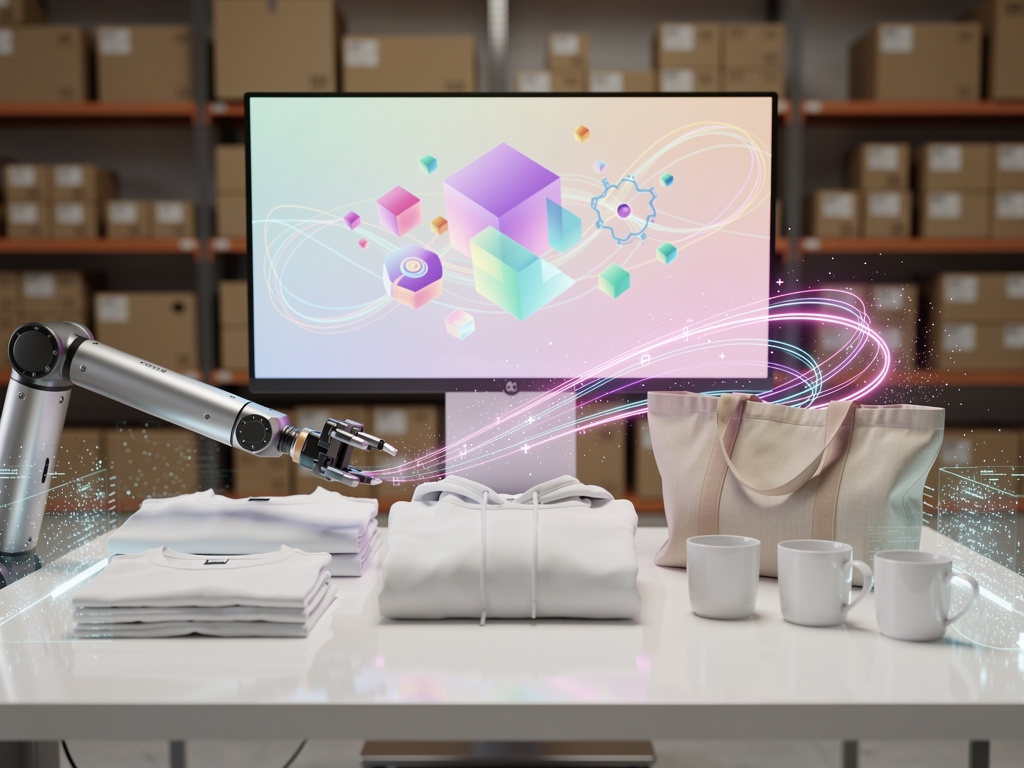
Amazon has introduced a new service designed to combat counterfeit products by allowing customers to create and order custom merchandise printed on demand through artificial intelligence assistance. The initiative, detailed in a recent TechRadar report, marks a strategic move by the retail giant to address the persistent problem of fake goods while simultaneously expanding its print-on-demand capabilities.
The program centers on an AI-powered design tool that generates original graphics, patterns, and artwork based on user prompts. Customers describe what they want, such as a specific theme, color scheme, or concept, and the system produces multiple variations for selection. Once chosen, the design gets applied to various products including t-shirts, hoodies, mugs, posters, and phone cases. Amazon handles the printing, fulfillment, and shipping directly, ensuring that each item carries official branding and quality standards.
This approach directly targets the flood of unauthorized replicas that plague online marketplaces. Counterfeiters often copy popular designs, logos, and characters without permission, selling inferior versions that damage brand reputation and deprive legitimate creators of income. By making custom creation accessible and affordable, Amazon hopes to reduce demand for these knockoffs. Shoppers who might previously have bought a suspiciously cheap imitation of a popular design can instead generate their own unique version through the official platform.
The technology builds upon existing print-on-demand infrastructure that Amazon has developed over several years. Previously, independent sellers could upload their own designs to Merch by Amazon, a program that handles production while taking a commission on sales. The new AI feature removes the requirement for artistic skills or design software knowledge. Anyone with an idea can participate, potentially opening the service to millions of casual users who never considered creating merchandise before.
Early demonstrations show the AI system producing coherent and commercially viable designs across multiple categories. When prompted with phrases like “vintage mountain landscape” or “abstract geometric cat illustration,” the generator creates polished artwork suitable for apparel and accessories. The system appears trained to avoid trademarked characters and copyrighted material, though the effectiveness of these safeguards remains under observation. Amazon has indicated that additional filters will prevent generation of designs that infringe on intellectual property rights.
From a business perspective, the move serves multiple purposes. First, it creates a new revenue stream through printing and fulfillment fees. Second, it increases engagement on the Amazon platform by giving customers another creative outlet. Third, and perhaps most significantly, it positions Amazon as a solution to the counterfeit problem rather than merely a platform where such items appear. The company has faced criticism for years regarding the volume of fake products sold by third-party merchants, making this proactive step noteworthy.
The AI design tool incorporates several practical features that enhance usability. Users can refine initial outputs by adjusting colors, adding text, or modifying specific elements. The interface allows real-time previewing of how designs will appear on different products, helping buyers make informed choices. Once an order is placed, production begins immediately at facilities equipped with high-quality printers and specialized equipment for various materials.
Quality control represents a key differentiator from unauthorized sellers. Amazon applies consistent standards across all printed items, using tested inks and substrates that resist fading and cracking. This reliability stands in stark contrast to many knockoff products that deteriorate quickly after minimal use. Customers receive items that match the preview images and maintain their appearance through repeated washing or regular handling.
The service also benefits independent artists and small businesses. Rather than competing against counterfeit versions of their work, creators can direct fans to the official custom tool. Some designers have already begun experimenting with the system to generate variations of their signature styles, creating limited collections without upfront inventory costs. This model reduces financial risk while maintaining creative control.
Implementation details suggest careful consideration of potential problems. The AI model underwent training on vast datasets of original artwork, with mechanisms to identify and block attempts to replicate protected intellectual property. Amazon reports working closely with brand owners to develop appropriate guardrails. When users attempt to generate designs featuring famous logos or characters, the system rejects the request and suggests alternative approaches.
Market analysts observe that this development fits within broader industry trends toward personalization and on-demand manufacturing. Consumers increasingly seek unique items that express individual identity rather than mass-produced goods. The ability to create custom products instantly satisfies this desire while supporting more sustainable production methods. Items are only printed when ordered, reducing waste from unsold inventory that often ends up in landfills.
Technical aspects of the AI system reveal sophisticated capabilities. The underlying model can interpret complex descriptions and translate them into visual elements that work effectively across different product formats. A design that looks good on a t-shirt might need adjustment for a mug or poster, and the system automatically optimizes accordingly. This adaptability ensures that customers receive professional-looking results regardless of their design experience.
Challenges remain in the rollout. Some early users have noted occasional inconsistencies in output quality, with certain prompts producing better results than others. The company continues refining the algorithms based on feedback and usage patterns. Additionally, questions persist about how effectively the system prevents subtle copyright infringements or trademark violations that might not trigger obvious flags.
Despite these hurdles, the potential impact on the custom merchandise market appears substantial. Traditional print-on-demand services typically require users to provide their own artwork or hire designers. Amazon’s approach removes these barriers, potentially expanding the market significantly. Hobbyists, event organizers, family reunion planners, and small clubs could all benefit from easy access to personalized items.
The initiative also carries implications for how intellectual property is protected in the digital age. By offering legitimate alternatives to copied designs, platforms like Amazon may reduce the economic incentive for counterfeiting. When consumers can easily obtain unique versions of similar concepts through official channels, the appeal of cheap knockoffs diminishes.
Integration with existing Amazon shopping features enhances the customer experience. Users can save favorite designs, share them with friends, or browse popular creations from other customers. The system suggests complementary products based on chosen designs, encouraging larger orders. Social sharing options allow people to showcase their creations on external platforms, driving additional traffic back to Amazon.
Looking ahead, Amazon appears positioned to expand the service across more product categories and geographic regions. Current availability focuses primarily on apparel and accessories, but future updates could include home decor, sporting goods, and specialized items. International expansion would require adaptation to different printing standards and cultural preferences, presenting both opportunities and complexities.
The competitive response from other major platforms will likely shape how this technology evolves. Companies like Etsy, Shopify, and specialized print-on-demand providers may accelerate their own AI initiatives to match Amazon’s offering. This competition could ultimately benefit consumers through improved tools and lower prices.
For independent creators, the service presents both possibilities and concerns. While it democratizes design, it also raises questions about ownership of AI-generated artwork. When multiple users generate similar designs from comparable prompts, determining originality becomes complicated. Amazon has stated that customers retain rights to their creations, though legal frameworks around AI-assisted work continue developing.
Educational institutions and nonprofits have shown particular interest in the tool for fundraising and awareness campaigns. The ability to quickly produce custom items for events or causes without significant upfront investment could transform how organizations approach merchandise sales. A school could create unique designs for a fundraiser in minutes rather than weeks.
As the technology matures, expect refinements in prompt interpretation, output consistency, and integration with other creative tools. Voice commands, image uploads for style matching, and collaborative design features represent logical next steps. Amazon’s vast resources and data from millions of customer interactions provide advantages in training increasingly sophisticated models.
The print-on-demand sector has grown steadily as consumers embrace personalization, and this AI enhancement accelerates that expansion. By addressing counterfeiting through creation rather than just enforcement, Amazon takes an approach that aligns business interests with customer desires. The service transforms passive shoppers into active participants in the design process, potentially changing how people think about merchandise altogether.
Success will ultimately depend on execution details including print quality, pricing competitiveness, and protection against misuse. Early indicators suggest Amazon has developed a solid foundation, but sustained improvement through user feedback will determine long-term adoption. As more people discover the ease of creating their own designs, the volume of custom merchandise flowing through Amazon’s warehouses seems destined to increase substantially.
This development reflects broader changes in manufacturing and retail where digital tools reduce traditional barriers between ideas and physical products. What once required specialized skills and equipment now happens through simple conversation with an AI system. The implications extend beyond t-shirts and coffee mugs to fundamental questions about creativity, ownership, and production in an increasingly automated world. Amazon’s latest effort demonstrates how large platforms can shape these conversations while pursuing their commercial objectives.


 WebProNews is an iEntry Publication