
Tech’s Triple Play: Debugging Alexa, Reshaping AI Hubs, and Stadium Surveillance Surge
In the fast-paced world of technology, where innovation often outruns reliability, recent developments from major players highlight the ongoing challenges and adaptations in consumer AI, infrastructure expansion, and event security. Amazon has addressed a persistent glitch in its Alexa voice assistant that disrupted ordering functions, a move that underscores the company’s commitment to refining its ecosystem amid growing competition. Meanwhile, Microsoft is reevaluating its approach to building AI data centers, emphasizing community integration to mitigate environmental and social concerns. Adding to this mix, advancements in fan-facing cameras at sports venues are transforming how audiences engage with live events, raising questions about privacy and immersion.
The Alexa ordering bug, which affected users attempting to make purchases through voice commands, had been a thorn in Amazon’s side for months. Reports from users indicated that commands to reorder items or add products to carts would sometimes fail, leading to frustration and abandoned transactions. According to a recent update from Amazon, the fix involves enhanced natural language processing algorithms that better interpret user intent, even in noisy environments or with ambiguous phrasing. This isn’t just a minor patch; it’s part of a broader push to make Alexa more intuitive as the assistant evolves into its Alexa+ iteration.
Industry observers note that this resolution comes at a crucial time. With rivals like Google’s Assistant and Apple’s Siri advancing their capabilities, Amazon cannot afford persistent reliability issues. The bug fix aligns with announcements made at CES 2026, where Amazon showcased Alexa+’s multi-turn conversations and task completion features, as detailed in a Gadget Flow report. By resolving the ordering glitch, Amazon aims to restore user confidence and boost e-commerce integration within its smart home devices.
Amazon’s AI Ambitions Amplified
Beyond the bug fix, Amazon’s strategy with Alexa+ represents a significant leap forward. The company claims that 97% of its shipped devices can support this upgraded version, a statistic highlighted in a TechCrunch article. This compatibility ensures a wide user base can access features like personalized interactions and agent-style task execution without needing new hardware. Posts on X from tech enthusiasts, such as those praising the CES unveilings, reflect growing excitement about Alexa’s potential to handle complex queries, from summarizing data to coordinating family schedules.
However, this advancement isn’t without controversy. Privacy advocates have raised concerns about increased data processing in the cloud, as noted in an Electronic Frontier Foundation blog post from late 2025. The shift away from local processing means more voice recordings are sent to servers, potentially exposing users to greater surveillance risks. Amazon counters this by emphasizing encrypted transmissions and user controls, but the debate underscores the tension between convenience and data security in AI assistants.
Integrating generative AI, powered by models like those from Anthropic, allows Alexa+ to offer more conversational responses. A AboutAmazon piece by Panos Panay details how this makes the assistant “smarter and more capable,” free with Prime memberships. For industry insiders, this signals Amazon’s bet on AI to drive subscription revenue and device loyalty, especially as it expands Alexa to the web via Alexa.com, as covered in another TechCrunch story on the browser-based rollout.
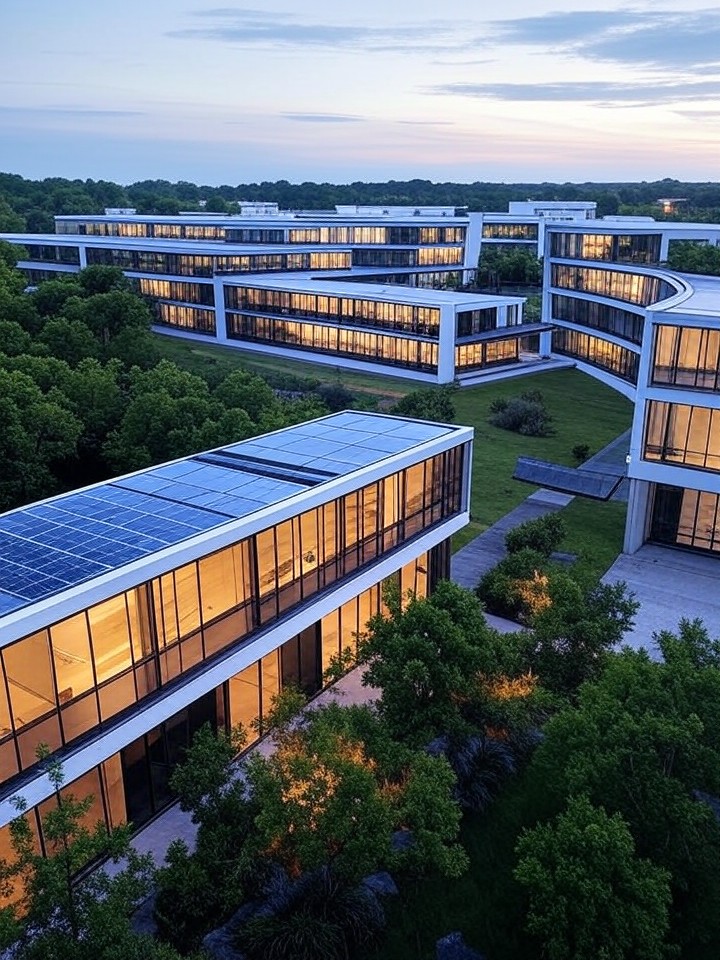
Shifting focus to Microsoft, the company’s rethinking of AI data centers marks a pivotal response to the escalating demands of artificial intelligence training and deployment. With AI models requiring immense computational power, data centers have become energy hogs, drawing criticism for their environmental footprint. Microsoft’s new initiative, dubbed “Community-First AI Infrastructure,” pledges to integrate local needs into planning, as outlined in a Microsoft On the Issues blog. This includes commitments to renewable energy sourcing and economic benefits for host communities.
The announcement follows a wave of expansions, with Microsoft pledging not to increase local electricity bills despite building a “glut” of new facilities, per a TechCrunch report on the company’s assurances. This approach contrasts with past criticisms of tech giants’ infrastructure projects, which have sometimes led to power grid strains and community backlash. By prioritizing sustainability, Microsoft aims to position itself as a responsible leader in the AI boom, where data center capacity is critical for services like Azure and Copilot.
Industry analysis suggests this rethink is driven by regulatory pressures and public sentiment. Recent X posts from tech watchers highlight Microsoft’s January 2026 Patch Tuesday, which fixed vulnerabilities potentially exploitable in data center operations, as reported by BleepingComputer. Such security measures are essential as cyber threats target critical infrastructure, making Microsoft’s community-focused strategy not just ethical but strategically sound.
Microsoft’s Infrastructure Evolution
Delving deeper, Microsoft’s plans involve innovative cooling technologies and modular designs to reduce water usage, a common pain point in data center operations. The company’s investments in AI infrastructure are projected to reach billions, fueling advancements in machine learning and cloud computing. A TechNewsWorld article notes how competitors like Amazon are also ramping up, intensifying the race for dominance in AI support systems.
This evolution comes amid broader industry shifts, where data centers are no longer isolated behemoths but integrated into urban and rural fabrics. Microsoft’s promise to be a “good neighbor” includes job creation and infrastructure upgrades, potentially setting a new standard. However, skeptics point to past overpromises, urging vigilance as these centers proliferate.
For insiders, the real intrigue lies in how these data centers will support emerging AI applications, from real-time analytics to generative tools. By addressing community concerns upfront, Microsoft may avoid the pitfalls that have plagued similar projects, ensuring smoother expansions in key regions like the U.S. Midwest and Europe.
Now turning to the realm of fan cameras, 2026 has seen a surge in technology that captures every angle of sports and entertainment events, enhancing viewer experiences while sparking privacy debates. These systems, often deployed in stadiums, use AI-powered cameras to track fan reactions, create personalized highlights, and even integrate with social media for instant sharing. A recent GeekWire article details how such innovations are “capturing every fan,” transforming passive spectators into active participants.
The technology builds on advancements in computer vision and edge computing, allowing real-time processing of vast video feeds. Companies like Amazon, through its Ring division, have upgraded cameras with AI features like retinal vision for sharper resolution, as mentioned in X posts about Ring’s Retinal Vision and Alexa+ integrations. This enables features such as smart visitor greetings and pet locating, extending to event settings where cameras can identify and zoom in on enthusiastic fans.
However, the proliferation of these cameras raises ethical questions. Privacy groups worry about unchecked surveillance, echoing concerns from the Electronic Frontier Foundation about data collection in public spaces. In stadiums, where emotions run high, capturing and broadcasting fan reactions without explicit consent could lead to misuse, from targeted advertising to unauthorized sharing.
The Fan Camera Phenomenon
Industry insiders see fan cameras as a boon for engagement metrics, with broadcasters using them to boost viewership. For instance, integrations with devices like Amazon’s Fire TV, announced at CES 2026 per an AboutAmazon update, allow seamless streaming of personalized event feeds. This creates immersive experiences, where fans at home feel connected to the live atmosphere.
Yet, the technology’s dark side includes potential for deepfakes or biased AI recognition, issues that have surfaced in recent discussions on X about AI in public venues. Regulators are beginning to scrutinize these deployments, pushing for guidelines on data usage and opt-out mechanisms.
Looking ahead, the convergence of these trends—Alexa’s refined capabilities, Microsoft’s sustainable infrastructure, and advanced fan cameras—points to a future where AI permeates daily life more deeply. Amazon’s bug fix ensures smoother e-commerce, while Microsoft’s data center strategy supports the backend of such innovations. Fan cameras, meanwhile, exemplify front-end applications that blend entertainment with surveillance.
For tech leaders, balancing progress with responsibility remains key. As Amazon expands Alexa+ to web platforms, detailed in a CNN Business interview with executives, the emphasis on memory and context awareness could revolutionize user interactions. Similarly, Microsoft’s community-first approach, as pledged in their recent announcements, may inspire peers to adopt similar models.
The fan camera surge, captured in Houston Chronicle coverage of Alexa’s quirky personality upgrades, highlights how AI quirks can both delight and annoy, much like unpredictable fan behaviors on camera. Ultimately, these developments reflect an industry striving for seamless integration, where fixes and rethinkings pave the way for more reliable, ethical tech ecosystems.
In weaving these threads together, it’s clear that 2026 is a year of refinement and recalibration. Amazon’s resolution of the Alexa bug not only mends a functional gap but also bolsters its competitive edge against ChatGPT-like rivals, as per CNN’s CES coverage. Microsoft’s data center pivot addresses the voracious energy needs of AI, ensuring long-term viability.
Fan cameras, evolving from simple security tools to engagement engines, as seen in upgrades to Ring cameras noted on X, promise to redefine live events. Yet, as with all tech advancements, the true measure of success will be in how well they serve users without compromising core values like privacy and trust. This interplay of innovation and caution defines the current era in technology, setting the stage for what’s next.


 WebProNews is an iEntry Publication