
Alphabet’s Power Play: Snapping Up Intersect to Fuel AI’s Insatiable Energy Hunger
In a move that underscores the escalating race among tech giants to secure reliable power for their burgeoning artificial intelligence operations, Alphabet Inc., Google’s parent company, has announced its intention to acquire Intersect Power LLC. This deal, valued at $4.75 billion in cash plus assumed debt, positions Alphabet to accelerate the development of data centers intertwined with clean energy sources. The acquisition comes at a pivotal moment when the tech industry’s voracious appetite for electricity is clashing with global sustainability goals and grid constraints.
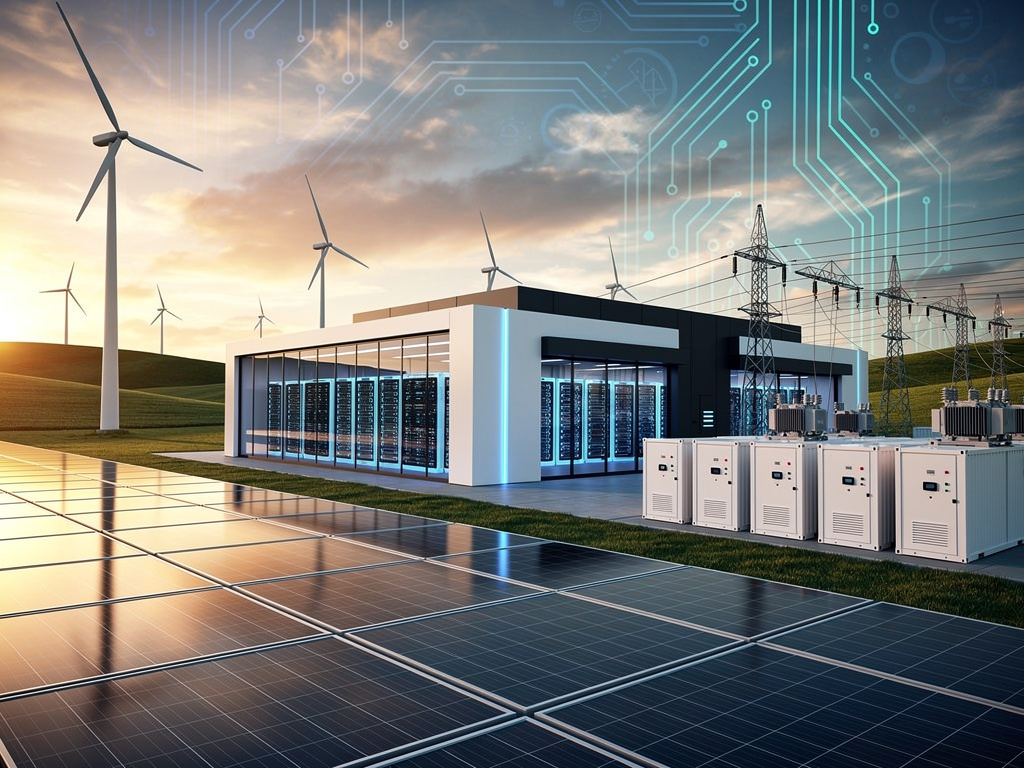
Intersect, a company specializing in clean energy development and data center infrastructure, has been a key player in pioneering integrated solutions that pair renewable power generation directly with computing facilities. By bringing Intersect under its umbrella, Alphabet aims to streamline the process of bringing more capacity online swiftly, addressing the bottlenecks that have plagued data center expansions. This isn’t just about adding more servers; it’s a strategic pivot toward self-sufficiency in an era where AI models demand unprecedented computational resources.
The announcement, detailed in a post on Google’s official blog, highlights how this acquisition will enhance Alphabet’s ability to innovate in energy solutions while supporting its ambitious carbon-free energy targets. As AI technologies evolve, the energy requirements for training and running these systems have skyrocketed, prompting companies like Alphabet to seek creative ways to meet demand without exacerbating environmental concerns. Intersect’s expertise in solar, wind, and battery storage projects aligns perfectly with Alphabet’s ongoing efforts to achieve 24/7 carbon-free energy for its operations.
Integrating Energy and Infrastructure
Alphabet’s interest in Intersect isn’t new; the tech behemoth already holds a minority stake from a prior funding round. This full acquisition builds on that foundation, allowing Alphabet to leverage Intersect’s pipeline of projects that combine power generation with data center builds. According to reports from CNBC, the deal is expected to help bring more data center and generation capacity online faster, a critical need as AI-driven workloads continue to surge.
Industry observers note that this move reflects a broader trend where tech firms are no longer content to rely solely on traditional utilities. Instead, they’re forging direct partnerships or acquisitions to control their energy destiny. Intersect’s model of co-locating renewable energy plants with data centers minimizes transmission losses and grid dependencies, potentially offering a blueprint for future developments.
Moreover, the acquisition supports Alphabet’s sustainability commitments. As outlined in Google’s 2025 Environmental Report, the company has been aggressively pursuing clean energy contracts, signing deals for over 8 gigawatts in 2024 alone. Integrating Intersect’s capabilities could accelerate progress toward Google’s goal of operating on carbon-free energy around the clock by 2030, a target first announced years ago and reiterated in various updates.
Navigating the AI Energy Crunch
The timing of this deal is telling. With AI applications proliferating—from generative models powering search enhancements to advanced analytics in cloud services—the power demands are immense. Posts on X, formerly Twitter, from users like energy analysts and tech enthusiasts, highlight growing discussions around how companies like Google are innovating to avoid grid strain. For instance, recent chatter points to Google’s collaborations with firms like NextEra Energy to develop data centers paired directly with power plants, emphasizing scalable, clean solutions.
This acquisition also comes amid calls from some quarters to temper AI’s rapid advancement due to its environmental footprint. A recent Fox Business article quoted a Google executive stressing the importance of responsible development and energy infrastructure to maintain U.S. competitiveness. By acquiring Intersect, Alphabet is effectively doubling down on innovation rather than deceleration, betting that integrated energy solutions will mitigate concerns.
Financially, the $4.75 billion price tag, as reported by Investing.com, includes assuming Intersect’s debt, making it a substantial investment. Yet, in the context of Alphabet’s market capitalization exceeding $2 trillion, it’s a calculated risk to secure long-term growth drivers. Intersect’s portfolio includes large-scale solar and storage projects, which could provide the reliable power needed for Alphabet’s expanding global footprint.
Broader Industry Implications
Beyond Alphabet’s immediate gains, this deal signals shifts in how tech and energy sectors intersect. Competitors like Meta Platforms and Microsoft have similarly pursued power purchase agreements and infrastructure investments to fuel their AI ambitions. For example, Meta’s recent 2.5 gigawatts of clean power deals with NextEra, as mentioned in various X posts, illustrate the competitive push for sustainable energy sources.
Intersect’s approach, focusing on utility-scale renewables, could influence regulatory landscapes as well. Policymakers are increasingly scrutinizing the tech industry’s energy consumption, with calls for more transparent reporting on emissions. Alphabet’s move might set a precedent, encouraging others to adopt similar integrated models that prioritize efficiency and low-carbon outputs.
Furthermore, the acquisition enhances Alphabet’s position in the clean energy market. As detailed in a Google Blog post about the 2025 Environmental Report, the company has enabled significant emissions reductions through products like fuel-efficient routing and solar APIs. Bringing Intersect in-house could amplify these efforts, potentially leading to new technologies that benefit not just Google but the wider ecosystem.
Technological Synergies and Challenges
At the heart of this acquisition is the synergy between Intersect’s energy expertise and Alphabet’s AI prowess. Google’s custom TPUs, now far more efficient than earlier versions, still require massive power inputs. Intersect’s infrastructure could enable more efficient scaling, perhaps through advanced battery systems that store excess renewable energy for peak AI training periods.
However, challenges remain. Integrating operations post-acquisition will require careful management to avoid disruptions. Regulatory approvals, expected given the deal’s size, could introduce delays, as noted in coverage from MarketScreener. Additionally, while renewables are key, intermittency issues mean backup solutions might still be necessary, potentially involving fossil fuels with carbon capture, as discussed in recent X conversations about Google’s data center strategies.
Alphabet’s leadership, including CEO Sundar Pichai, has been vocal about futuristic visions, such as Project Suncatcher for space-based data centers, per a Fortune article. While that’s a long-term play, acquiring Intersect addresses immediate needs, bridging the gap to such innovations.
Global Expansion and Sustainability Goals
Looking globally, this deal could facilitate Alphabet’s expansion into emerging markets where grid reliability is a hurdle. For instance, recent agreements like the 21-year solar deal with TotalEnergies for Malaysian data centers, highlighted in X posts from energy watchers, show Google’s commitment to clean power in diverse regions. Intersect’s expertise might extend these efforts, enabling faster rollouts in Asia and beyond.
Sustainability remains a core pillar. Google’s history of matching 100% of its energy use with renewables, as announced in older updates and echoed in current strategies, positions it as a leader. The 2024 procurement of over 8 gigawatts, detailed in the sustainability site, underscores this trajectory. With Intersect, Alphabet could push boundaries further, perhaps innovating in virtual power plants or AI-optimized energy management.
Critics, however, argue that such acquisitions concentrate power in tech giants’ hands, potentially sidelining smaller energy innovators. Yet, proponents see it as necessary acceleration for clean tech adoption, given the urgency of climate goals.
Strategic Outlook and Market Reactions
Market reactions to the announcement have been positive, with Alphabet’s stock showing gains amid broader tech optimism. As reported in Axios, tech giants are aggressively hunting for power sources, and this deal exemplifies that hunt. Investors view it as a hedge against energy shortages that could throttle AI growth.
Strategically, this positions Alphabet to lead in energy-efficient AI infrastructure. By controlling more of the supply chain—from power generation to data processing—the company reduces vulnerabilities. This could yield cost savings, with studies like one for Google showing up to 34% reductions in clean energy matching through dynamic load shifting, as referenced in X discussions.
Ultimately, the Intersect acquisition is more than a transaction; it’s a statement of intent. As AI reshapes industries, securing sustainable power becomes paramount. Alphabet’s move not only bolsters its capabilities but could catalyze wider advancements in integrated tech-energy solutions, benefiting the sector as a whole.
Future Horizons in Tech-Energy Fusion
Peering ahead, the fusion of tech and energy heralded by this deal might spawn new business models. Imagine data centers that not only consume power but also generate and sell excess energy back to grids, creating revenue streams. Intersect’s projects could prototype such hybrids, leveraging Alphabet’s AI to optimize operations.
International implications are significant too. With data centers proliferating worldwide, deals like the Malaysia solar pact demonstrate how acquisitions like this can support global scalability. X posts from industry insiders praise these steps as aligning AI boom with renewable progress.
In wrapping up this deep dive, it’s clear that Alphabet’s acquisition of Intersect is a linchpin in its strategy to power the next wave of technological innovation sustainably. By internalizing energy expertise, the company is poised to navigate the complexities of AI’s energy demands while advancing environmental objectives, setting a benchmark for peers in the process.


 WebProNews is an iEntry Publication