
Feline Whispers: AI’s Silent Vigil Over Ailing Cats at CES 2026
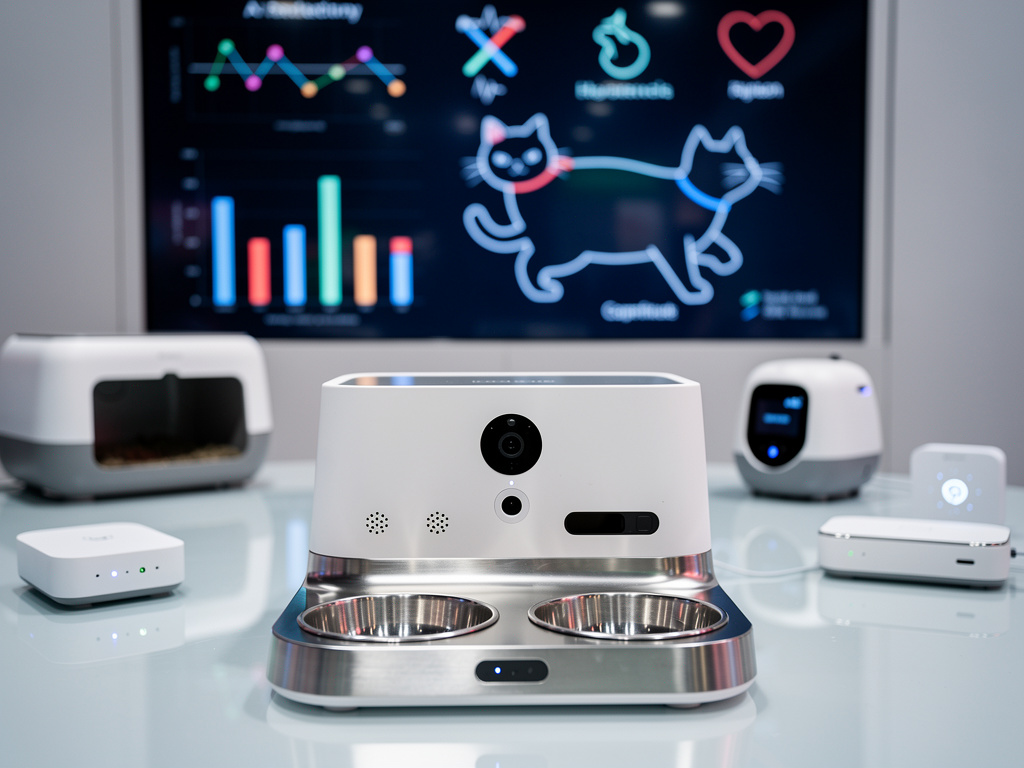
In the bustling halls of CES 2026, where gadgets vie for attention amid a sea of flashing lights and ambitious demos, a quiet revolution is unfolding in pet care. Swiss startup AI Tails has unveiled a smart feeding and drinking station that doesn’t just dispense kibble and water—it’s designed to peer into your cat’s soul, or at least its facial expressions, to detect signs of illness. Equipped with a high-resolution camera and advanced artificial intelligence, the device analyzes subtle cues like ear position, whisker tension, and eye squints to flag potential health issues. This innovation arrives at a time when pet owners are increasingly turning to technology to bridge the communication gap with their silent companions, especially for cats notorious for hiding discomfort until it’s too late.
The AI Tails station represents a leap forward in integrating AI into everyday pet routines. By monitoring feeding and drinking habits alongside visual data, it builds a comprehensive health profile. For instance, if a cat approaches the bowl with droopy ears or avoids water intake, the system alerts owners via a connected app, suggesting a vet visit. This isn’t mere novelty; it’s rooted in veterinary science, drawing from studies on feline pain indicators. Early adopters at the show reported astonishment at how the device caught subtle changes they might have missed, potentially averting emergencies like urinary tract infections, which afflict millions of cats annually.
Beyond diagnostics, the station automates portion control and schedules, ensuring sick cats receive tailored nutrition without overexertion. It’s a blend of convenience and care, powered by machine learning algorithms trained on vast datasets of cat behaviors. As one demo attendee noted, “It’s like having a feline whisperer in your kitchen.” This echoes broader trends at CES, where AI is embedding itself into niche markets, transforming passive devices into proactive guardians.
Decoding the Meow: The Tech Behind AI Tails’ Innovation
AI Tails isn’t operating in isolation. Similar advancements are emerging from competitors like PETKIT, which showcased its own AI ecosystem at the same event. According to a report from PR Newswire, PETKIT’s YumShare Daily Feast is a robotic wet food dispenser that uses a 1080p AI camera for multi-pet facial recognition, tracking eating patterns and detecting leftovers to maintain freshness. This system integrates with fountains and litter boxes, creating a unified health dashboard that monitors urinary health—a critical concern for cats prone to kidney issues.
What sets AI Tails apart is its focus on emotional and physical cues. The camera employs computer vision to interpret “pain faces,” a concept borrowed from animal behavior research. Developers claim accuracy rates above 85% in preliminary tests, though skeptics at the show questioned the reliability without peer-reviewed data. Integration with smart home ecosystems allows seamless data sharing, perhaps syncing with your thermostat to correlate environmental factors with pet well-being. Industry insiders see this as a step toward predictive health, where AI anticipates problems before symptoms escalate.
The economic angle is compelling too. With veterinary costs soaring—averaging $1,000 per emergency visit in the U.S.—devices like this could save owners thousands by enabling early intervention. AI Tails plans a $299 price point, positioning it as accessible tech rather than luxury. However, privacy concerns linger: Who owns the data from your cat’s daily grimaces? The company assures users of encrypted cloud storage, but as with all IoT devices, vulnerabilities exist.
From Automation to Insight: PETKIT’s Expanding Ecosystem
PETKIT’s presence at CES 2026 builds on last year’s momentum, emphasizing an interconnected approach. As detailed in Dataconomy, their ecosystem includes the Eversweet Ultra Fountain, which uses AI to track drinking behavior, alerting to dehydration risks common in ill cats. By combining data from multiple devices, PETKIT’s app generates “health cards” for each pet, highlighting anomalies in eating, drinking, and elimination patterns. This holistic view is particularly vital for senior cats or those with chronic conditions like diabetes.
Comparisons to AI Tails reveal complementary strengths. While AI Tails excels in facial analysis, PETKIT prioritizes behavioral metrics over time. A Verge preview notes the fountain’s camera monitors water intake with precision, using UVC sanitization to prevent bacterial growth—a boon for immunocompromised felines. Insiders speculate that partnerships could merge these technologies, creating super-systems for pet care.
Market analysts predict explosive growth. The global smart pet feeder market, valued at $1.2 billion in 2025, is projected to triple by 2030, driven by aging pet populations and busy owners. CES demos highlighted how these devices reduce the “pet parent guilt” of long workdays, with remote monitoring via apps. Yet, challenges remain: Not all cats adapt to tech interfaces, and false positives could lead to unnecessary vet trips, straining resources.
Social Buzz and Real-World Applications
Sentiment on social platforms like X underscores the excitement. Posts from users at CES describe AI Tails as a “game-changer for worried cat moms,” with one viral thread praising its ability to detect early signs of distress in rescue cats. Another shared a demo where the device flagged a simulated “sick” cat prop, generating buzz about its potential in shelters. These anecdotes align with broader discussions on X about AI’s role in animal welfare, though some express skepticism over hype versus reality.
Real-world testing is key. AI Tails plans beta trials in spring 2026, partnering with veterinary clinics to refine algorithms. Feedback from CES attendees, including pet tech reviewers, suggests refinements in user interface—making alerts more intuitive for non-tech-savvy owners. Integration with tele-vet services could amplify its impact, allowing instant consultations based on device data.
Competitors aren’t idle. Cheerble’s Edge-AI Visual Recognition Pet Feeder, mentioned in posts on X, addresses multi-pet households by preventing food theft, a common issue that exacerbates health problems in dominant cats. This feeder uses visual tech to ensure equitable feeding, complementing AI Tails’ diagnostic focus. The convergence of these innovations points to a future where pet care is as data-driven as human health apps.
Veterinary Perspectives and Ethical Considerations
Veterinarians at CES offered cautious optimism. Dr. Elena Ramirez, a feline specialist demoing nearby, noted that while AI can’t replace professional exams, it empowers owners to act sooner. She referenced studies showing cats mask pain 70% of the time, making tools like AI Tails invaluable. However, she warned against over-reliance, emphasizing the need for human oversight.
Ethically, the rise of AI in pet care raises questions about animal consent and data ethics. If a device misinterprets a cat’s “happy squint” as pain, it could cause undue stress. AI Tails addresses this with customizable sensitivity settings, but broader industry standards are lacking. Regulators may soon step in, especially as these devices collect biometric data akin to human wearables.
Looking ahead, scalability is crucial. AI Tails aims for global distribution, with localization for different cat breeds whose expressions vary—think the stoic British Shorthair versus the expressive Siamese. Partnerships with pet food giants could bundle nutrition plans, turning the station into a full wellness hub.
Broader Implications for Smart Home Integration
Embedding pet tech into smart homes is gaining traction. Imagine your AI Tails station syncing with Amazon Alexa to adjust lighting for a stressed cat or ordering meds automatically. This vision, echoed in Morningstar, positions PETKIT and AI Tails as pioneers in an overlooked smart home niche.
Consumer adoption hinges on trust. Early reviews from CES, such as those in Yahoo Finance, praise the preventive care angle, potentially reducing vet bills by 20-30%. For sick cats, this means fewer invasive tests and more comfortable lives.
Challenges include affordability in developing markets and ensuring AI inclusivity for all pet types. As CES 2026 wraps, the spotlight on these devices signals a shift: Pets are no longer peripherals in the tech world but central to innovation.
Pushing Boundaries: Future Horizons in Pet AI
Innovators are already eyeing expansions. AI Tails hints at voice analysis add-ons to interpret meows, building on current visual tech. Combined with PETKIT’s ecosystem, this could create predictive models for diseases like hyperthyroidism.
Industry insiders foresee AI pet care intersecting with biotech, perhaps integrating with wearable collars for vital signs. X posts from tech enthusiasts speculate on AR interfaces where owners “see” their cat’s health overlay in real-time.
Ultimately, these advancements humanize our bond with pets, turning silent sufferers into heard voices. As AI evolves, the line between gadget and guardian blurs, promising healthier, happier felines worldwide. With CES setting the stage, the pet tech sector is poised for a transformative decade, driven by empathy encoded in algorithms.


 WebProNews is an iEntry Publication