
The Hidden Eyes in Hallways: AI’s Creep into School Privacy Zones
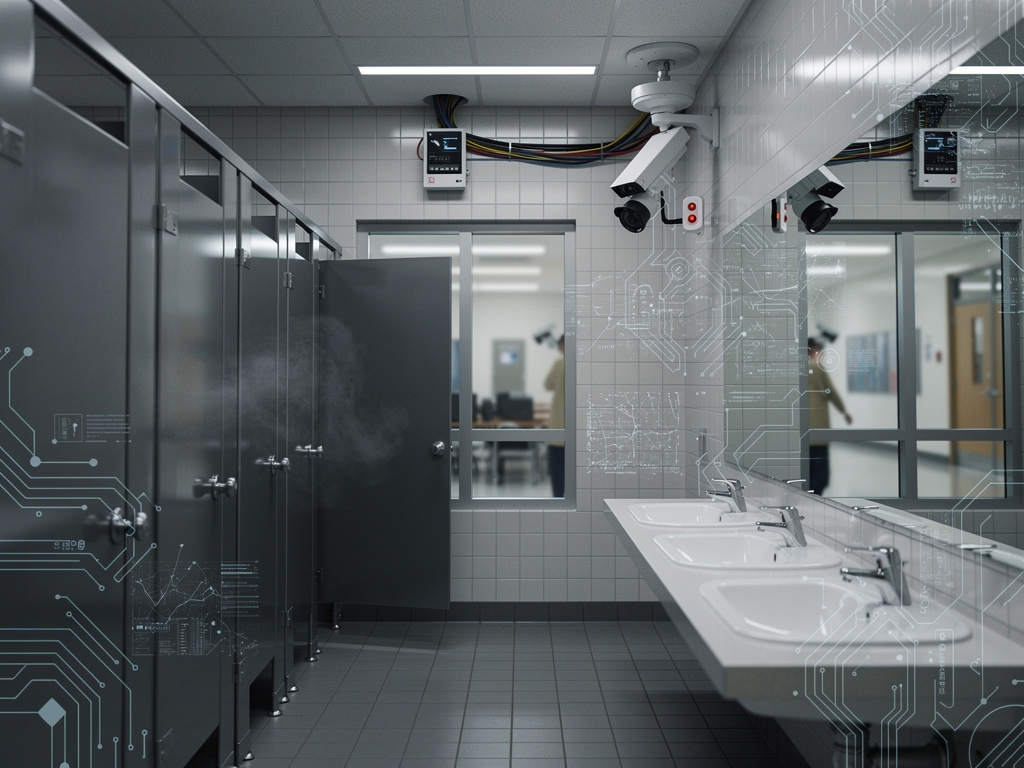
In the heart of Beverly Hills High School, a new era of oversight has dawned, where artificial intelligence watches over students even in their most private moments. School officials have installed an array of AI-powered cameras, drones, and audio monitors in bathrooms, ostensibly to curb vaping, bullying, and other illicit activities. This move, detailed in a recent report by Futurism, marks a bold escalation in the use of technology to monitor young lives, raising profound questions about the balance between safety and personal dignity.
The system’s proponents argue it’s a necessary response to rising concerns over student behavior in unsupervised areas. Bathrooms, long seen as hotspots for mischief, are now equipped with sensors that detect vapor from e-cigarettes, unusual sounds indicative of fights, or even prolonged occupancy that might signal distress. Yet, critics contend this surveillance crosses an ethical line, transforming schools into surveillance states reminiscent of dystopian novels. Parents and privacy advocates are voicing alarm, fearing that constant monitoring could erode trust and stifle the natural development of independence among teens.
This isn’t an isolated incident. Across the United States, educational institutions are increasingly turning to AI tools to enhance security. From monitoring online activities to scanning for weapons, the integration of these technologies is reshaping the daily school experience. But the extension into bathrooms amplifies the debate, as these spaces have traditionally been off-limits for observation, protected by expectations of privacy even in public institutions.
Rising Tide of Tech in Education
The push for AI surveillance gained momentum amid growing fears of school violence and substance abuse. A WIRED investigation highlights how schools are deploying vape-detection devices in restrooms to combat the widespread use of nicotine and cannabis among students. These gadgets, often hidden in ceilings or vents, analyze air quality and alert administrators to potential infractions, turning what was once a private refuge into a data-collection point.
However, the technology’s implementation has not been without flaws. In one notable case at Lawton Chiles Middle School in Florida, an AI system mistook a student’s clarinet case for a firearm, triggering a full lockdown and police response. As reported by Futurism in a separate piece, this false positive underscores the risks of over-reliance on algorithms that, while advanced, can err in interpretation, leading to unnecessary panic and disruption.
Broader data from various districts reveals a pattern of adoption. Thousands of schools now use platforms like Gaggle or GoGuardian, which extend beyond physical spaces to monitor digital footprints on school-issued devices. An AP News analysis shows these systems scan emails, chats, and searches for signs of mental health issues or threats, but they also raise flags for innocuous content, sometimes resulting in unwarranted interventions.
Privacy Erosion and Data Vulnerabilities
The privacy implications are stark. A significant breach in Vancouver Public Schools exposed thousands of sensitive student documents, as covered by the Times of India. This incident fueled fears that AI surveillance, while aimed at protection, could inadvertently compromise the very data it collects, leaving students vulnerable to identity theft or misuse.
Industry insiders note that these systems often operate with minimal oversight. Unlike corporate or government surveillance, which faces regulatory scrutiny, school-based AI lacks standardized guidelines. This void allows for rapid deployment but also invites abuse. For instance, audio monitors in bathrooms could capture conversations unrelated to safety concerns, potentially violating students’ rights to free expression.
Moreover, the psychological toll is emerging as a critical issue. Students aware of being watched may alter their behavior, leading to increased anxiety or reluctance to seek help in private settings. Posts on X, formerly Twitter, reflect widespread sentiment among users, with many expressing outrage over apps that track bathroom visits and even access personal device cameras, highlighting a growing distrust in educational tech.
Ethical Dilemmas and Industry Responses
Ethically, the deployment of AI in such intimate spaces challenges core principles of consent and autonomy. Technology ethicists argue that minors, already in a controlled environment, deserve zones free from scrutiny to foster personal growth. A U.S. News & World Report investigation into AI monitoring reveals how these tools, intended for safety, often lead to overreach, with students flagged for minor infractions or even creative writing that algorithms deem suspicious.
Vendors in this space, such as those providing vape detectors, defend their products by emphasizing non-invasive designs—no cameras in stalls, for example—but critics counter that the mere presence of sensors erodes privacy norms. In Beverly Hills, the system’s rollout included community meetings, yet opposition persists, with some parents threatening legal action over perceived violations of Fourth Amendment rights.
Looking at global parallels, similar technologies in other countries have sparked backlash. In the U.S., however, the drive for school safety post-mass shootings propels adoption, even as privacy groups like the ACLU call for moratoriums until robust protections are in place.
Case Studies of Implementation Gone Awry
Delving into specific examples illuminates the pitfalls. The clarinet incident, also detailed in a Washington Post article, involved AI software trained on weapon images that failed to distinguish musical instruments from threats, causing a school-wide lockdown. This not only wasted resources but also traumatized students, who endured hours in hiding over a false alarm.
Another case from Alabama schools, as reported by AL.com, shows AI tools monitoring for violence and mental health indicators, yet resulting in data exposures that compromise student confidentiality. These breaches highlight the irony: systems meant to safeguard can become vectors for harm if security protocols falter.
On X, users share anecdotes of schools mandating apps that control device usage, including restricting camera access during bathroom breaks, amplifying feelings of constant surveillance. Such stories, while anecdotal, underscore a broader unease with tech’s encroachment into adolescent life.
Regulatory Gaps and Future Directions
The absence of federal regulations exacerbates these issues. While some states mandate parental consent for digital monitoring, physical surveillance in bathrooms often slips through cracks. Experts advocate for comprehensive frameworks that include data minimization—collecting only essential information—and regular audits to prevent misuse.
Innovation continues, with companies exploring WiFi-based spatial intelligence for non-intrusive monitoring, as noted in a CBS Pittsburgh report on Pittsburgh-area schools. This tech uses signal patterns to detect anomalies without direct audio or video, potentially offering a less invasive alternative.
Yet, the core tension remains: how to ensure safety without sacrificing privacy. Industry leaders are beginning to collaborate with ethicists to embed safeguards, such as anonymized data processing, into their designs.
Voices from the Ground and Broader Implications
Students themselves are pushing back. In forums and social media, teens describe the chilling effect of knowing their every move is tracked, from hallway wanderings to restroom respites. One X post likened it to living in a corporate dystopia, echoing sentiments from earlier reports on tracking systems in over 1,000 U.S. schools.
Parents, too, are mobilizing. In Beverly Hills, petitions circulate demanding transparency on data storage and access. Legal experts predict lawsuits challenging these systems on constitutional grounds, potentially setting precedents for tech in education.
For technology providers, this scrutiny represents both challenge and opportunity. As schools grapple with post-pandemic behavioral issues, demand for AI solutions surges, but so does the need for ethical innovation that respects boundaries.
Balancing Acts in Modern Education
Ultimately, the integration of AI surveillance in school bathrooms reflects a larger shift toward data-driven education. Proponents see it as a tool for proactive intervention, potentially averting tragedies. Detractors warn of a slippery slope toward normalized surveillance that could extend beyond schools into society at large.
Recent news on X amplifies these concerns, with users debating the long-term effects on mental health and civil liberties. As one viral thread points out, if such monitoring were in authoritarian regimes, it would draw international condemnation, yet in democratic settings, it’s often framed as progress.
Moving forward, stakeholders must navigate this complex terrain, prioritizing student well-being over unchecked technological expansion. The Beverly Hills experiment may serve as a litmus test, influencing how schools worldwide approach the delicate interplay of security and privacy in the digital age. By fostering dialogue among educators, technologists, and policymakers, there’s hope for solutions that protect without overstepping, ensuring that innovation enhances rather than undermines the educational experience.


 WebProNews is an iEntry Publication