
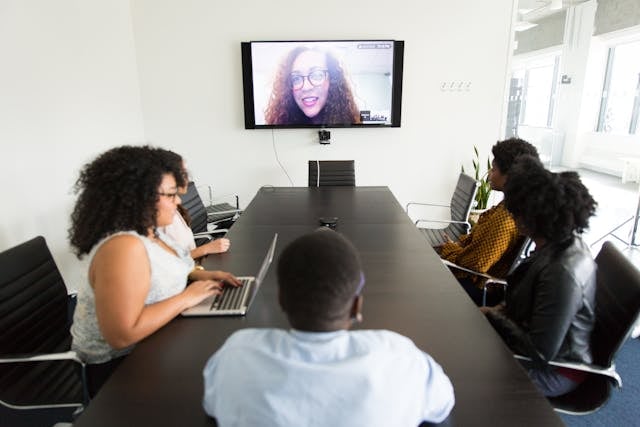
The modern AI startup no longer looks like the traditional technology company of the past. Just a decade ago, ambitious startups often invested heavily in expensive office spaces, centralized teams, and regional operations. In 2026, however, many AI companies are growing rapidly without maintaining a physical headquarters at all.
Advancements in cloud infrastructure, remote collaboration tools, artificial intelligence, and global hiring platforms have completely reshaped how startups operate. Today’s founders are increasingly building international teams distributed across multiple countries while maintaining lean operational structures.
For many AI startups, flexibility has become one of the most important competitive advantages.
The Rise of Distributed AI Teams
AI businesses are uniquely suited for remote operations. Unlike industries that depend heavily on physical infrastructure, many AI startups primarily rely on:
- software development
- cloud computing
- data infrastructure
- digital collaboration
- online customer acquisition
As a result, companies can recruit talent from virtually anywhere in the world.
Instead of hiring only within major technology hubs such as San Francisco or London, startups now build teams across:
- Eastern Europe
- South Asia
- Southeast Asia
- Latin America
- Africa
This allows companies to access specialized talent while significantly reducing operational costs.
More importantly, distributed hiring gives startups the ability to operate continuously across time zones, improving productivity and global responsiveness.
Office Costs Are No Longer a Priority
One of the biggest changes in startup culture is the declining importance of physical office space.
Traditional headquarters once served as:
- operational centers
- status symbols
- recruiting tools
- collaboration hubs
Today, many of those functions are handled digitally.
Video conferencing, AI-powered workflow systems, cloud-based development platforms, and collaborative project management tools have dramatically reduced the need for centralized offices.
Instead of spending heavily on long-term commercial leases, startups are allocating resources toward:
- product development
- AI infrastructure
- engineering talent
- customer acquisition
- automation systems
This lean operational model is especially attractive to early-stage founders trying to maximize runway while remaining agile.
Global Hiring Creates Competitive Advantages
The competition for AI talent has become extremely intense. Startups that limit themselves to local hiring pools often struggle to compete with larger corporations.
Global hiring allows smaller companies to:
- recruit niche specialists
- reduce recruitment costs
- scale faster
- build diverse technical teams
Many startups are also discovering that remote-first cultures can improve employee satisfaction and retention. Flexible work arrangements are increasingly viewed as a major benefit among technology professionals.
As remote collaboration becomes normalized, location is becoming less important than expertise and productivity.
Digital Infrastructure Is Replacing Traditional Operations
Modern startups now rely on a digital operational stack rather than physical infrastructure.
This often includes:
- cloud computing platforms
- remote payroll systems
- virtual communication tools
- international payment systems
- cybersecurity platforms
- virtual business services
Even administrative operations have become increasingly digital. Many startups now use services such as Your Virtual Office London to establish a professional business presence while operating with distributed international teams.
This approach allows companies to maintain credibility and operational flexibility without committing to expensive physical office infrastructure.
Investors Are Becoming More Comfortable With Remote Companies
Initially, some investors were hesitant about fully remote businesses. Concerns around communication, culture, and operational management created skepticism.
That perception has changed significantly.
Many investors now recognize that distributed startups can operate more efficiently than traditional office-based companies. Lower overhead costs and access to global talent pools are often viewed as strategic advantages.
Some of the fastest-growing AI companies today operate with teams spread across multiple countries while maintaining highly efficient organizational structures.
The focus has shifted away from office size and toward:
- scalability
- product quality
- operational efficiency
- talent density
- technological innovation
Challenges Still Exist
Despite the advantages, managing global remote teams is not without difficulties.
Common challenges include:
- time zone coordination
- communication gaps
- cultural differences
- cybersecurity risks
- international compliance requirements
Building strong remote culture also requires intentional leadership. Startups must create systems that encourage transparency, accountability, and collaboration across distributed environments.
The companies that succeed are usually those that invest early in:
- operational systems
- documentation
- communication processes
- workflow automation
Remote work alone does not guarantee efficiency. Strong organizational structure remains essential.
The Future of Startup Infrastructure
The shift toward decentralized operations is likely to continue as AI technology evolves.
Generative AI, workflow automation, and intelligent collaboration tools are making it easier than ever for small teams to achieve large-scale outcomes. In many cases, startups with fewer than 20 employees can now operate globally while serving thousands of customers.
This trend is changing how founders think about growth. Instead of building large physical organizations, many startups are prioritizing:
- lean operations
- global talent access
- scalable systems
- flexible infrastructure
The traditional headquarters model is no longer considered mandatory for building a successful technology company.
Final Thoughts
AI startups are helping redefine the future of work itself. Distributed teams, digital infrastructure, and remote-first operations are becoming central components of modern business strategy.
While physical offices still have value in certain industries, many AI companies are proving that innovation, scalability, and global collaboration no longer depend on a centralized headquarters.
In 2026, the most competitive startups are often the ones that can operate globally, move quickly, and adapt efficiently — regardless of where their employees are located.


 WebProNews is an iEntry Publication