
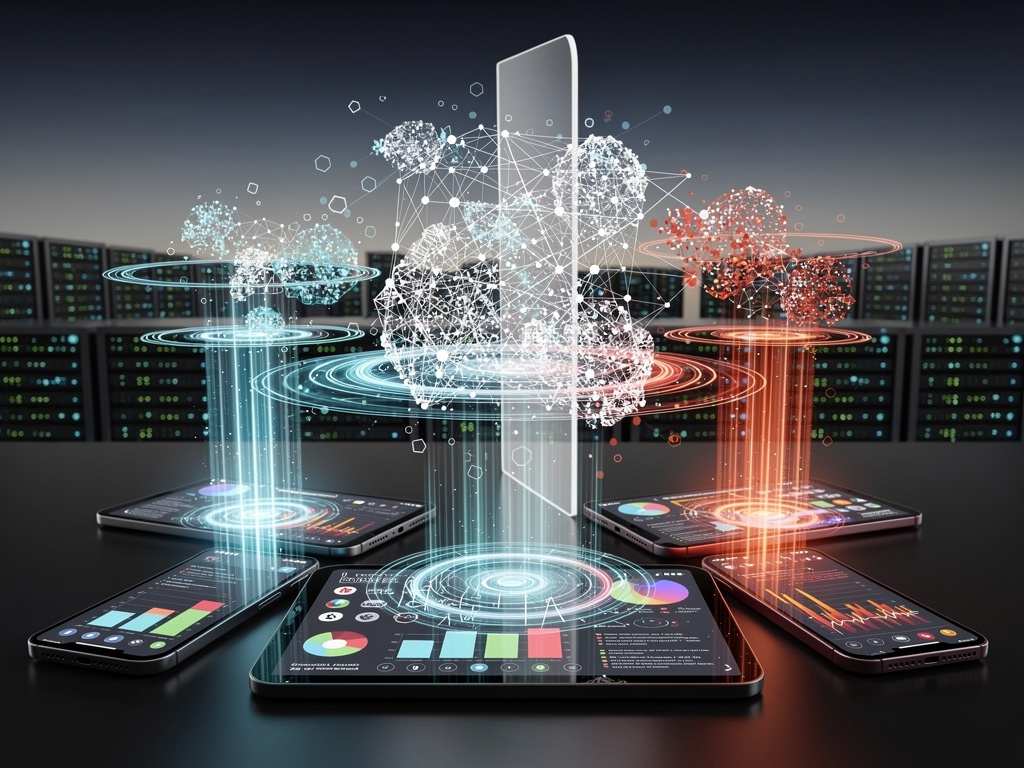
As the calendar flips to 2026, the digital realm is undergoing a profound shift, one that’s less about flashy announcements and more about subtle, algorithmic tweaks reshaping how we connect online. At the heart of this transformation are AI-driven feeds—those endlessly scrolling streams of content on social platforms, news aggregators, and even professional networks. These feeds, powered by increasingly sophisticated artificial intelligence, are no longer passive curators but active architects of human interaction, predicting desires, forging connections, and sometimes isolating users in echo chambers of their own making. Drawing from recent insights, including a compelling analysis in MSN, this evolution promises to redefine online relationships, blending personalization with unprecedented scale.
The mechanics behind these feeds have advanced rapidly. In 2026, AI models aren’t just recommending posts based on past likes; they’re analyzing real-time data from biometrics, location tracking, and even emotional cues inferred from typing patterns or voice inflections during video calls. This level of granularity allows platforms to deliver content that feels eerily tailored, fostering deeper engagement but raising questions about privacy and autonomy. For instance, experts at Microsoft have highlighted how AI is becoming a “true partner” in boosting teamwork and efficiency, as noted in their feature on emerging trends (Microsoft News). Yet, this partnership extends beyond productivity tools into the social sphere, where feeds are quietly influencing who we befriend, what we debate, and how we perceive the world.
Industry insiders point to a surge in agentic AI—systems that act autonomously on behalf of users—as a key driver. These agents don’t just suggest connections; they initiate them, scheduling virtual meetups or curating group chats based on shared interests detected across multiple apps. A recent McKinsey survey underscores this, revealing that AI adoption in content delivery has driven real value through innovative personalization (McKinsey). However, this convenience comes with trade-offs: users report feeling both empowered and overwhelmed, as the line between genuine serendipity and engineered encounters blurs.
The Rise of Hyper-Personalized Ecosystems
Shifting focus to the business side, companies like Meta and TikTok are investing billions in refining these AI engines, viewing them as the new battleground for user retention. Posts on X from marketing experts, such as those emphasizing algorithmic feeds and personalized signals, indicate a consensus that 2026 marks a “reset year” for digital advertising and content strategy. Without robust AI integration, brands risk invisibility in these dynamic streams. PwC’s predictions for the year emphasize agentic workflows that transform business value, suggesting that AI feeds will optimize not just consumer experiences but entire supply chains linked to online interactions (PwC).
On the consumer end, the impact is palpable in everyday online habits. Imagine logging into a platform where your feed anticipates life events—suggesting support groups after a job loss or curating travel tips before you’ve even booked a flight. This predictive prowess stems from multimodal AI, which processes text, images, and audio holistically. AT&T’s blog on AI predictions notes that increased access to such tools will make technology feel markedly different, with feeds evolving into proactive companions rather than mere timelines (AT&T). Yet, critics argue this could exacerbate digital divides, as those without premium access to advanced AI features lag behind in forming meaningful connections.
Moreover, the integration of AI in feeds is fostering new forms of community building. Virtual reality meetups, augmented by AI-suggested participants, are becoming commonplace, turning solitary scrolling into interactive experiences. Insights from Adweek highlight how agent-to-agent interactions could dominate media buying, eroding traditional social discovery in favor of algorithmically matched networks (Adweek). This shift is particularly evident in professional settings, where LinkedIn-like platforms use AI to connect mentors and mentees based on inferred career trajectories, potentially accelerating innovation but also raising concerns about biased matchmaking.
Navigating Privacy and Ethical Quandaries
As these systems grow more intuitive, privacy emerges as a flashpoint. In 2026, regulations like enhanced GDPR extensions in Europe are forcing platforms to disclose how AI feeds use personal data, yet enforcement remains spotty. A TechCrunch piece warns that while AI moves from hype to pragmatism, with smaller models enabling reliable agents, the real-world applications in feeds could amplify surveillance capitalism (TechCrunch). Users are increasingly demanding transparency, with some opting for RSS feeds as a nostalgic alternative to algorithm-controlled content, as discussed in a GeoBarta blog post advocating for the open web (GeoBarta).
Ethically, the rewriting of online connections poses dilemmas about authenticity. Are AI-driven friendships truly organic, or are they products of data-driven nudges? Posts circulating on X reflect sentiment that social media is morphing into “interest media,” where algorithms push content regardless of follows, potentially diminishing the role of human curation. This aligns with IBM’s trends report, which explores how AI enhances security and infrastructure efficiency in connectivity (IBM). For industry leaders, balancing innovation with ethical safeguards is crucial to avoid backlash.
Furthermore, the economic implications are vast. AI feeds are projected to boost ad revenues by personalizing pitches to micro-moments, but they also risk creating bubbles where misinformation thrives. Axios reports from leaders at OpenAI and others predict a focus on ROI and reliable agents, underscoring that bubbles in AI investment could burst if real-world impacts remain modest (Axios). In critical sectors, such as healthcare networking, these feeds could facilitate rapid knowledge sharing, yet they demand robust verification to prevent harm.
Innovation in Connectivity and Future Trajectories
Looking ahead, connectivity trends in 2026 position AI as an enabler rather than a mere tool. The Fast Mode’s expert opinion details a move from failover systems to AI-optimized networks, ensuring seamless online interactions even in high-demand scenarios (The Fast Mode). This infrastructure supports feeds that adapt in real time, connecting users across global divides with low latency, fostering cross-cultural exchanges that were once logistically challenging.
In social media specifically, the erosion of traditional algorithms in favor of AI hybrids is accelerating. X posts from influencers note the rise of AI-augmented content, where synthetic elements enhance human creations without full automation, as seen in announcements from Instagram’s leadership. This hybrid approach, detailed in Understanding AI’s predictions, suggests rapid improvements in AI capabilities with tempered economic effects (Understanding AI). For insiders, this means rethinking content strategies to leverage AI without alienating audiences seeking authenticity.
The Guardian’s overview of tech trends to watch emphasizes datacenters and AI’s role in shaping daily life, predicting that feeds will integrate with emerging technologies like quantum computing for even more precise personalization (The Guardian). Yet, as these systems evolve, the challenge lies in ensuring equitable access, preventing a scenario where AI-driven connections widen societal gaps.
Emerging Challenges and Strategic Responses
One pressing challenge is the potential for AI feeds to amplify polarization. By prioritizing engaging content over balanced views, these systems can entrench divides, as evidenced in ongoing debates on X about personalization’s double-edged sword. Referencing Microsoft’s trends again, the emphasis on security becomes paramount to mitigate risks like deepfake integrations in feeds, which could undermine trust in online relationships.
Strategically, companies are responding by embedding ethical AI frameworks from the outset. PwC’s insights, previously noted, advocate for responsible innovation, suggesting that businesses audit their feeds for bias regularly. This proactive stance is echoed in AT&T’s predictions, where accessible AI tools democratize connection-building, potentially leveling the playing field for smaller players.
Additionally, the resurgence of decentralized alternatives, like RSS, highlights a counter-movement. GeoBarta’s analysis points to why such technologies remain relevant, offering users control amid algorithmic dominance. For industry veterans, this duality—AI’s efficiency versus open web’s freedom—defines the current juncture in digital evolution.
Pushing Boundaries in Digital Interaction
Pushing further, AI feeds are blurring lines between online and offline worlds. With augmented reality overlays in social apps, connections formed via feeds can transition seamlessly to physical meetups, enhanced by AI logistics. Adweek’s trends report anticipates this erosion of boundaries, where media buying becomes agent-driven, reshaping how brands foster consumer loyalty.
Sentiment on X underscores excitement about AI turning platforms into productivity hubs, as seen in discussions around Meta’s app evolutions. This transformation, per TechCrunch’s pragmatism shift, prioritizes real-world utility, ensuring feeds contribute to tangible outcomes like career advancements or community support.
Ultimately, as 2026 unfolds, the quiet rewriting of online connections through AI-driven feeds invites reflection on what it means to be linked in a digital age. Balancing innovation with humanity will determine whether these systems unite or divide, a theme resonant across sources like McKinsey’s survey and beyond. Industry insiders must navigate this terrain thoughtfully, harnessing AI’s potential while safeguarding the essence of genuine interaction.


 WebProNews is an iEntry Publication