
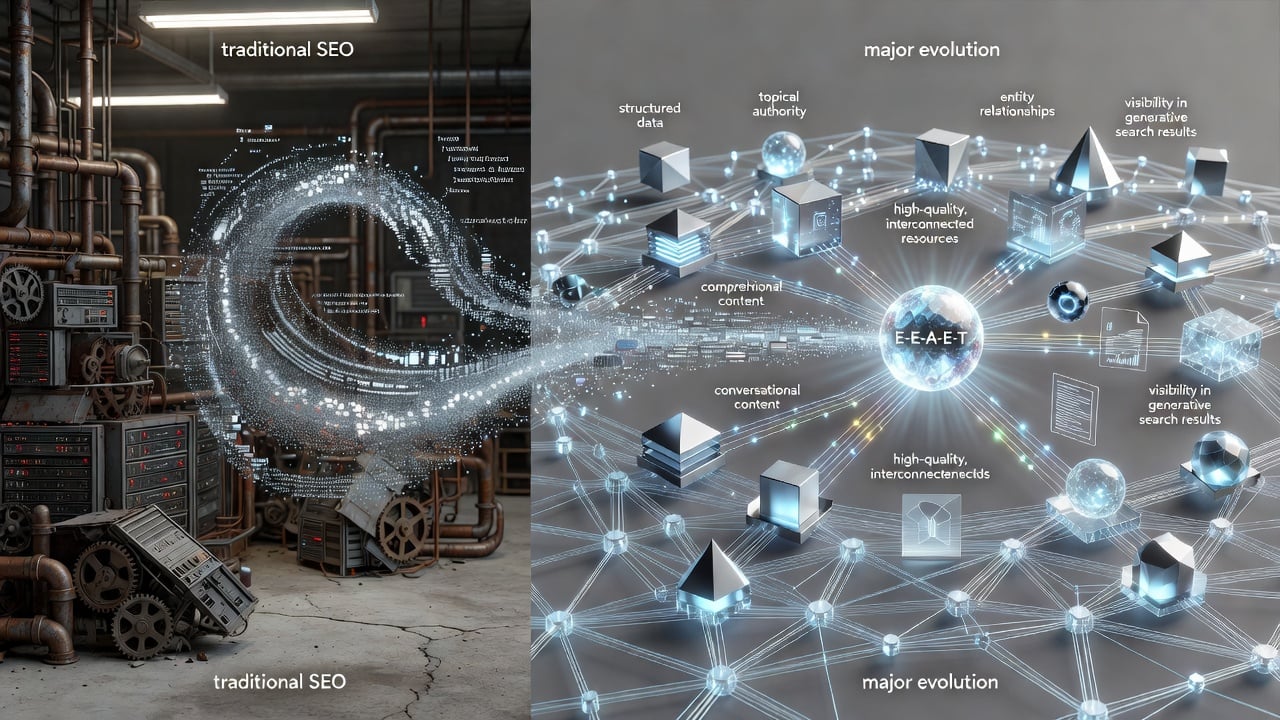
AI search optimization represents a fundamental shift in how businesses approach visibility in modern search engines. As artificial intelligence transforms the way users find information online, traditional search engine optimization strategies require significant updates to remain effective. This article examines what AI search optimization means, how it differs from conventional SEO, the technologies driving these changes, and practical steps organizations can take to adapt their digital presence.
Search engines have incorporated artificial intelligence for years, but recent advances have accelerated the integration of machine learning models that understand context, intent, and user behavior at unprecedented levels. Google’s Search Generative Experience and similar features from other providers now synthesize information from multiple sources to generate direct answers rather than simply ranking web pages. These systems analyze content differently than earlier algorithms, focusing on semantic understanding rather than keyword density or basic link metrics.
The transition stems from the development of large language models capable of processing natural language queries with remarkable accuracy. When users ask conversational questions, these models identify relevant information across the web and present it in coherent summaries. For businesses, this development means that simply ranking at the top of traditional search results may no longer guarantee visibility if AI systems choose to highlight content from other sources or synthesize information without directing traffic back to original websites.
According to analysis from HubSpot’s marketing blog, AI search optimization involves creating content and technical structures that help these intelligent systems better understand, trust, and surface your information. The approach combines elements of traditional SEO with new considerations around data structure, content clarity, and entity relationships that machine learning models can process more effectively.
One major difference between standard SEO and AI search optimization lies in the emphasis on topical authority rather than isolated keywords. AI systems evaluate how comprehensively a website covers a subject and how well it connects related concepts. A company writing about electric vehicles, for instance, benefits from addressing battery technology, charging infrastructure, regulatory changes, and consumer adoption patterns within an interconnected content strategy. This holistic coverage helps AI models identify the site as a reliable source across multiple related queries.
Structured data plays an increasingly vital role in this environment. By implementing schema markup, organizations provide explicit signals about their content that AI systems can parse more easily than unstructured text. Product information, event details, how-to guides, and factual data all become more accessible when properly marked up. This transparency helps AI assistants pull accurate details when generating responses, potentially increasing the chances that your information appears in synthesized answers.
Content quality standards have risen as well. AI search systems excel at identifying thin or repetitive material, favoring sources that demonstrate expertise, experience, and trustworthiness. The E-E-A-T framework Google has emphasized gains even more relevance here, as machine learning models attempt to surface information from credible authors and publications. Organizations should focus on creating original research, detailed case studies, expert interviews, and well-documented guides that establish their authority within specific fields.
Technical considerations extend beyond basic site speed and mobile optimization. AI search optimization requires attention to crawlability, content organization, and the relationships between different pieces of information on a site. Clear internal linking structures help AI models understand how topics connect. Logical site architecture that groups related content together provides contextual signals that improve how comprehensively search systems interpret your materials.
Voice search and conversational queries further influence optimization approaches. People speak differently than they type, using longer and more natural phrases when talking to digital assistants. Content that anticipates these conversational patterns performs better across voice-enabled devices and AI chat interfaces. This means incorporating question-based headings, direct answers to common inquiries, and language that mirrors how real people discuss topics within your industry.
The zero-click search phenomenon presents both challenges and opportunities. When AI systems provide complete answers directly in search results, website traffic can decrease even as brand visibility increases. Companies must weigh the benefits of being cited as a source against potential losses in referral traffic. Many organizations address this by creating multiple content formats that serve different user needs. While some material might be optimized for direct answers, other resources can offer deeper analysis that encourages clicks for more comprehensive information.
Entity optimization has emerged as another key component. Search systems now identify and connect specific people, places, concepts, and organizations across the web. By clearly establishing these entities through consistent mentions, related context, and authoritative references, businesses help AI models correctly associate their brand with relevant topics. This process involves creating detailed about pages, maintaining accurate business information across directories, and building relationships with other recognized entities in your field.
Visual content requires special attention in AI search environments. Advanced systems can analyze images, videos, and infographics to extract meaning and context. Optimizing visual elements with descriptive filenames, detailed alt text, and surrounding explanatory content helps these systems understand and potentially feature your media in responses. Transcripts for videos and detailed captions for images further improve accessibility for both users and AI interpretation.
Measuring success in AI search optimization demands new metrics beyond traditional rankings and organic traffic. Organizations should track how often their content appears in AI-generated summaries, the accuracy of information being presented, and the impact on brand awareness across different channels. Tools that monitor AI search interfaces provide insights into which pieces of content perform well in synthesized responses. Brand mention tracking and sentiment analysis offer additional perspectives on how AI systems represent your organization.
Several practical steps can help implement an effective AI search optimization strategy. First, conduct a comprehensive content audit to identify gaps in topical coverage and opportunities to expand on key subjects. This analysis should examine not only existing materials but also search queries that indicate user interest in related areas. Next, enhance technical foundations by implementing comprehensive schema markup across all appropriate content types and ensuring your site architecture supports clear information hierarchies.
Content creation processes need adjustment to prioritize clarity and structure. Use clear headings, concise explanations, and logical flow that helps both human readers and AI systems follow complex topics. Incorporate data, research findings, and specific examples that demonstrate expertise while providing concrete value. Regular updates to existing content keep information current, which AI systems tend to favor when selecting sources for time-sensitive topics.
Building a network of authoritative references and earning mentions from recognized industry sources strengthens entity signals. This process involves contributing to reputable publications, participating in industry discussions, and creating resources that others naturally reference. The goal is establishing connections that AI models can follow to validate your organization’s standing within specific knowledge domains.
Looking ahead, AI search capabilities will likely continue advancing rapidly. Multimodal systems that combine text, image, and video understanding are already emerging, requiring organizations to develop truly integrated content strategies. Personalization based on user context and history will further refine how information gets presented, making relevance even more critical than broad visibility.
Businesses that treat AI search optimization as an extension of their overall digital strategy rather than a separate tactic will likely see better results. This integrated approach ensures consistency across all customer touchpoints while building the comprehensive digital presence that modern search systems reward. Companies should invest in developing internal expertise around these technologies rather than relying solely on external agencies, as the knowledge gained becomes increasingly valuable for long-term competitiveness.
Training content creators to understand how AI systems process information can significantly improve output quality. Writers who grasp concepts like semantic relationships, entity recognition, and contextual relevance naturally produce material better suited for both traditional and AI-powered search. This knowledge also helps them create content that serves multiple purposes across different platforms and interfaces.
The role of human expertise remains central even as artificial intelligence handles more search functions. AI systems still depend on high-quality source material created by knowledgeable professionals. Organizations that combine subject matter expertise with strategic optimization practices position themselves to thrive as search technology evolves. This combination of authentic knowledge and technical awareness creates content that resonates with both human audiences and the machine learning models that increasingly mediate information discovery.
Success requires ongoing attention and adaptation as new features roll out and search behaviors change. Regular testing of how your content appears in different AI interfaces helps identify areas for improvement. Monitoring industry developments and algorithm updates provides early insights that can inform strategy adjustments before major shifts impact visibility.
Organizations across industries are discovering that AI search optimization enhances their overall marketing effectiveness. By creating content that serves users well and provides genuine value, businesses naturally align with the goals of modern search systems that prioritize helpfulness and accuracy. This alignment creates sustainable advantages that extend beyond search results to stronger customer relationships and improved brand perception.
The transition to AI-powered search represents an opportunity for organizations willing to rethink their approach to content and digital presence. Those who embrace these changes and focus on creating genuinely valuable resources will find themselves better positioned to reach audiences through whatever interfaces emerge next. The fundamentals of providing clear, authoritative, and well-structured information remain consistent even as the specific tactics evolve with advancing technology.


 WebProNews is an iEntry Publication