
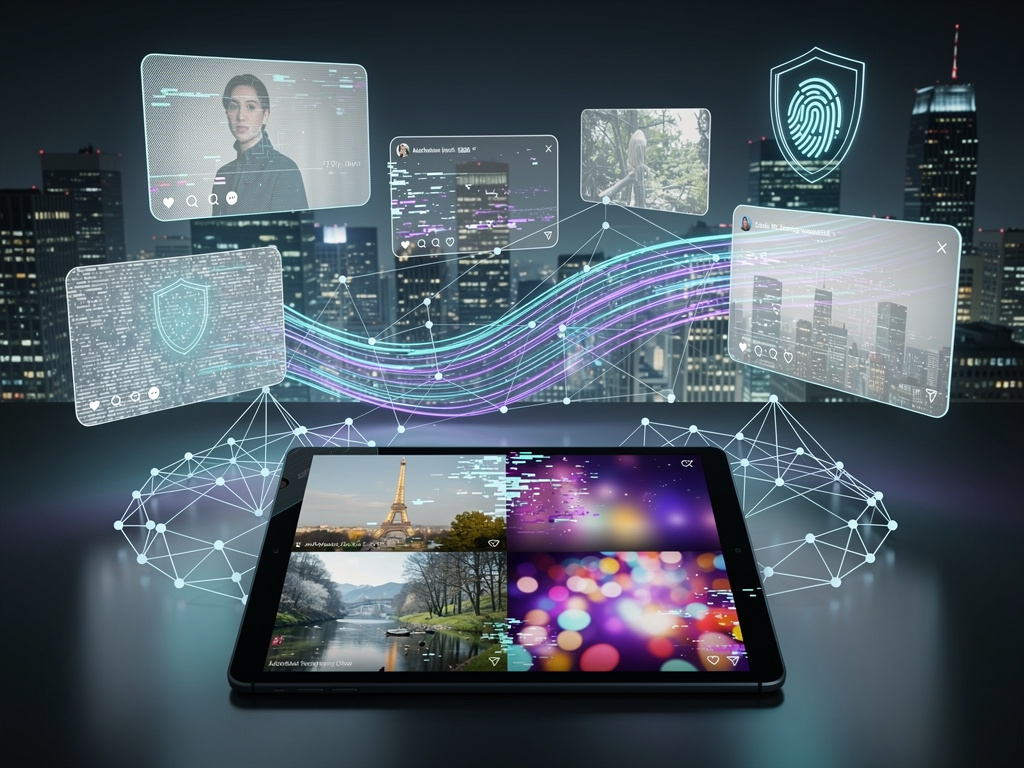
The Rise of AI Spotters: How TikTok’s Synthetic Surge is Reshaping Digital Influence
In the fast-paced world of social media, where viral trends can make or break careers, a new breed of educator is emerging. Jeremy Carrasco, a former videographer turned AI detective, has carved out a niche by teaching millions how to distinguish real content from AI-generated fakes on platforms like TikTok and Instagram. His videos, which dissect subtle tells like unnatural eye movements or mismatched lighting, have amassed over 10 million views, signaling a growing demand for AI literacy in an era flooded with synthetic media. As AI tools become more sophisticated, creators like Carrasco are not just spotting fakes—they’re potentially disrupting the entire influencer economy.
Carrasco’s journey began innocently enough. Frustrated by the influx of AI-produced videos mimicking human influencers, he started posting breakdowns on TikTok. One viral clip analyzed a seemingly perfect makeup tutorial, revealing it as an AI construct through pixel-level inconsistencies. This resonates with users increasingly wary of deception, especially as AI-generated content proliferates. According to recent data, over 1 billion AI videos have circulated on TikTok alone, prompting the platform to introduce transparency measures like invisible watermarks and user-controlled feed sliders.
But Carrasco isn’t alone in this crusade. Across social media, a wave of “AI literacy” influencers is gaining traction, blending education with entertainment to demystify artificial intelligence. Their content ranges from quick tips on spotting deepfakes to in-depth analyses of how AI algorithms curate feeds. This movement isn’t just about vigilance; it’s a response to broader concerns about authenticity in digital spaces, where trust is the currency of influence.
The Flood of Synthetic Content and Platform Responses
TikTok’s recent updates underscore the urgency. The company rolled out tools allowing users to adjust the amount of AI-generated content in their For You feeds, complete with clearer labels and detection mechanisms. As reported in a piece from The Hill, TikTok is also launching a $2 million AI literacy fund to support educational initiatives. This comes amid reports of AI “slop” overwhelming feeds, a term for low-quality synthetic videos that dilute genuine creativity.
Industry insiders note that these changes are reactive rather than proactive. Platforms like Instagram and YouTube face similar challenges, with AI tools enabling anyone to produce polished content at scale. A study highlighted in Frontiers explores how digital technologies, including AI and social media, impact cognitive functions, suggesting that overreliance on such tools could erode critical thinking skills. For influencers, this means a potential crash in the economy built on personal branding, as audiences grow skeptical of what’s real.
The economic implications are profound. Traditional influencers rely on authenticity to secure sponsorships and partnerships. If AI clones can replicate their style effortlessly, the value of human creativity diminishes. Carrasco’s teachings empower users to demand more, potentially shifting power dynamics in favor of verified, human-driven content.
Educators and Influencers at the Forefront
Beyond platforms, educational institutions are stepping in. Stanford University, as mentioned in resources from the AI Literacy Institute, has developed lessons on AI literacy, emphasizing ethical use and detection. This academic push aligns with grassroots efforts on social media, where creators like Carrasco bridge the gap between theory and practice.
On X (formerly Twitter), posts reflect a mix of optimism and concern. Users discuss how AI is revolutionizing education, with one noting that tools like Khanmigo provide personalized tutoring, while others warn of “brainrot” from overdependence. These sentiments highlight a divide: AI as a boon for learning versus a threat to cognitive development. For instance, discussions around Google’s “Learn Your Way” feature show how AI customizes education to interests, like explaining physics through basketball analogies.
Yet, this integration raises questions about equity. Not all users have equal access to AI literacy resources, potentially widening digital divides. In Southeast Asia, as detailed in a blog from Ocoya, social media trends are heavily influenced by AI, with local creators adapting to synthetic content to stay relevant.
Cognitive Impacts and the Battle for Authenticity
Delving deeper, research from The New York Times links AI tools and social media to declining cognitive performance, dubbing it “brain rot.” Studies indicate that constant exposure to algorithmically curated, often synthetic content reduces attention spans and problem-solving abilities. This is particularly alarming for younger users on TikTok, where short-form videos dominate.
Influencers like Carrasco combat this by fostering discernment. His methods include scrutinizing audio sync, background anomalies, and even cultural inconsistencies in AI-generated narratives. By making these techniques accessible, he’s building a community of informed viewers who can navigate the digital realm more effectively.
The influencer economy, valued at billions, faces existential threats. As AI creators produce content indistinguishable from humans, brands may opt for cost-effective synthetics over pricey human endorsements. A report from FeedHive discusses balancing automation with authenticity, warning that over-automation could erode user trust.
Policy and Educational Shifts in Response
Policymakers are taking note. Initiatives like those from the AI Literacy Institute aim to integrate AI education into curricula, addressing gender gaps and skill disparities in global surveys. This mirrors broader calls for media literacy, as argued in Psychology Today, where AI literacy is seen as an extension of existing digital skills.
On the platform side, TikTok’s AI Trend Insights tool, as covered by Metricool, helps creators leverage data on trending topics, blending AI assistance with human ingenuity. This hybrid approach could mitigate some risks, allowing influencers to use AI ethically rather than being replaced by it.
X posts further illustrate public sentiment, with users debating AI’s role in education. One thread highlights how AI tutors from Duolingo Max enhance language learning, while another laments declining literacy due to reduced parent-child reading time. These conversations underscore the need for balanced integration, ensuring AI enhances rather than supplants human efforts.
Economic Disruptions and Future Trajectories
The potential crash in the influencer economy isn’t hyperbole. With AI enabling scalable content creation, as explored in Drainpipe.io, platforms teem with over 5 billion users, many engaging with AI-driven virality. For insiders, this means rethinking monetization strategies, perhaps emphasizing live interactions or verified authenticity badges.
Carrasco’s rise exemplifies adaptation. By positioning himself as an AI literacy expert, he’s not just surviving the shift—he’s thriving. His content attracts sponsorships from tech firms interested in promoting ethical AI, turning detection skills into a marketable asset.
However, challenges persist. Legal professionals, as noted in AI Literacy Institute materials, are incorporating AI into workflows, but ethical concerns about misinformation loom large. Social media’s role in amplifying AI content could exacerbate issues like echo chambers, where synthetic narratives reinforce biases.
Innovative Tools and Community Building
Emerging tools are pivotal. TikTok’s feed controls, detailed in Digital Trends, empower users to curate experiences, reducing exposure to unwanted AI. Similarly, eWeek reports on watermarks boosting transparency, fostering a more accountable ecosystem.
Community-driven education is key. Influencers are forming networks to share detection techniques, much like open-source coding communities. This collaborative spirit could lead to standardized AI literacy certifications, valued by employers in creative industries.
Looking ahead, the integration of AI in education, as seen in Ohio State University’s curriculum via X discussions, normalizes interaction skills. This prepares future generations for a world where distinguishing real from artificial is as fundamental as reading.
Ethical Considerations and Long-Term Visions
Ethically, the surge in AI content raises questions about consent and representation. Synthetic influencers often mimic real people without permission, blurring lines between inspiration and infringement. Carrasco’s work highlights these issues, urging creators to disclose AI use transparently.
For industry leaders, investing in literacy programs is strategic. TikTok’s fund, as per The Hill, sets a precedent, potentially inspiring competitors to follow suit. This could evolve into industry-wide standards, ensuring sustainable growth amid technological advancements.
Ultimately, figures like Carrasco represent a pivotal shift. By democratizing AI knowledge, they’re not crashing the influencer economy but reinventing it—prioritizing depth over deception, and human insight over algorithmic output. As social media continues to evolve, those who master this new literacy will define its future directions.


 WebProNews is an iEntry Publication