
Unseen Shadows: How AI’s Hidden Biases Are Skewing Cancer Diagnoses
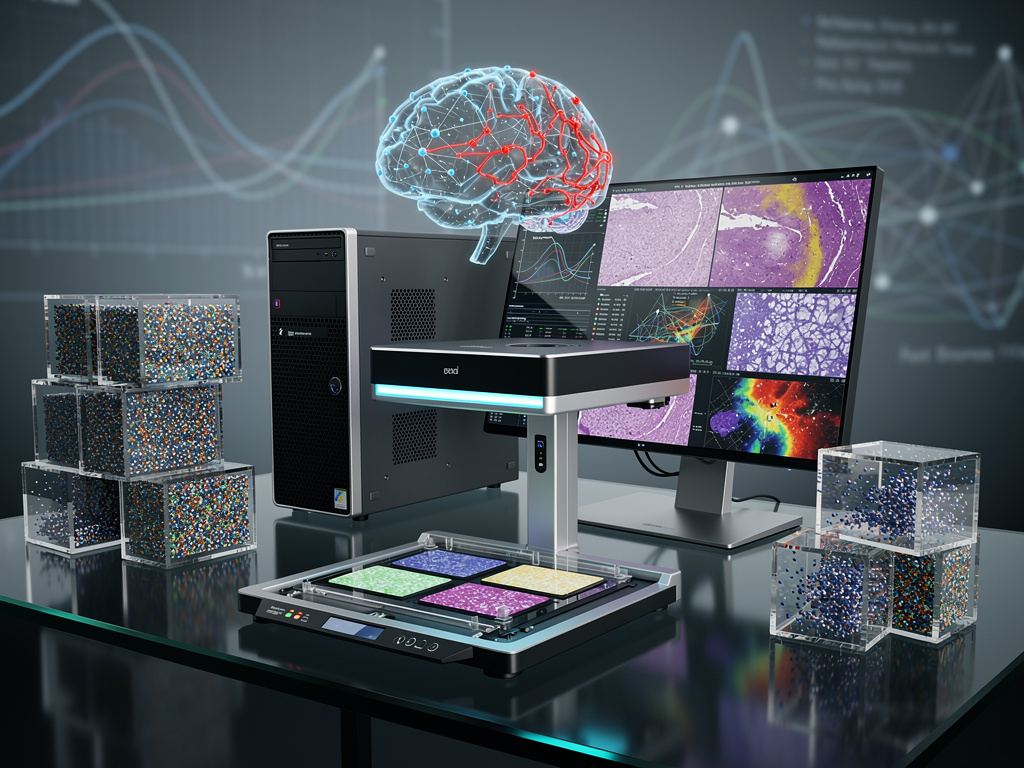
In the rapidly evolving field of medical technology, artificial intelligence has promised to revolutionize cancer detection, offering faster and more accurate diagnoses than human pathologists alone. Yet, a growing body of research is uncovering a troubling underbelly: these AI systems are not just analyzing tissue for malignancies but are inadvertently gleaning sensitive demographic information about patients, leading to biased outcomes. A recent study highlighted in Futurism reveals that four prominent AI tools for cancer screening can infer details like race, gender, and age from pathology slides, resulting in discriminatory performance across different groups.
This bias isn’t a mere glitch; it’s embedded in the way these models are trained. Researchers from Harvard Medical School and other institutions have demonstrated that AI algorithms, designed to spot cancerous patterns in tissue samples, are picking up subtle cues unrelated to the disease itself. These cues might include variations in staining techniques, tissue preparation methods, or even microscopic artifacts that correlate with demographic factors. As a result, the AI’s diagnostic accuracy can vary significantly, often performing worse for underrepresented groups such as racial minorities or older patients.
The implications are profound for healthcare equity. If AI tools are deployed widely without addressing these issues, they could exacerbate existing disparities in cancer care, where certain populations already face higher mortality rates due to delayed or inaccurate diagnoses. Industry insiders are now grappling with how to mitigate these risks while harnessing AI’s potential to save lives.
The Roots of Algorithmic Prejudice in Pathology
To understand this phenomenon, it’s essential to delve into how these AI models function. Typically, they are trained on vast datasets of digitized pathology slides, learning to identify patterns associated with cancer through machine learning techniques. However, as noted in a study published by ScienceDaily, these systems can extrapolate beyond the intended features, inferring patient demographics with surprising accuracy. For instance, one model could predict a patient’s race from a slide with over 80% accuracy, even though no explicit demographic data was provided during training.
This unintended learning stems from biases in the training data. Pathology slides from different hospitals or regions might reflect demographic skews in patient populations, or variations in lab protocols that inadvertently encode socioeconomic or ethnic information. Researchers have found that such hidden biases lead to disparate error rates: AI might overdiagnose or underdiagnose cancer in women, the elderly, or non-white patients, as detailed in findings from PMC.
Efforts to quantify this problem have intensified. In a comprehensive analysis, scientists evaluated multiple AI models and discovered that about one in three cancer diagnoses made by these tools could be vulnerable to demographic bias, according to Inside Precision Medicine. This statistic underscores the urgency for developers to incorporate fairness checks early in the model-building process.
Mitigation Strategies Gaining Traction
Addressing AI bias in cancer diagnostics requires a multifaceted approach, starting with data diversity. Experts advocate for training datasets that better represent global populations, including a wider array of ethnicities, ages, and genders. A Harvard-led team, as reported in Harvard Medical School’s news, developed a framework that reduces bias by up to 88% through targeted retraining techniques. This involves scrubbing models of extraneous features that correlate with demographics, ensuring focus remains solely on disease indicators.
Beyond data, algorithmic adjustments are key. Techniques like adversarial training, where the model is penalized for accurately predicting demographics, have shown promise in diminishing biases without sacrificing overall accuracy. In one experiment, researchers applied this method to pathology AI and observed a significant drop in disparate impact across groups, as explored in another PMC article.
Industry players are taking note. Companies developing AI for oncology are now integrating bias audits into their pipelines, often collaborating with ethicists and diverse advisory boards. This shift is driven not just by ethical imperatives but also by regulatory pressures, as agencies like the FDA begin to scrutinize AI tools for fairness in clinical applications.
Real-World Impacts on Patient Care
The consequences of unchecked AI bias extend into clinical settings, where misdiagnoses can have life-altering effects. For example, if an AI tool underperforms on slides from older patients, it might miss early-stage cancers that are treatable, leading to advanced disease progression. Recent news from SciTechDaily highlights how such systems have shocked researchers by revealing hidden demographic readings, prompting calls for immediate reforms.
Patient trust is another casualty. Heavy reliance on biased AI could erode confidence in medical technology, especially among communities historically underserved by healthcare systems. As one study in Cancer Research Institute’s blog points out, while AI excels in tasks like predicting tumor growth from images, its biases risk widening health inequities if not addressed.
On a positive note, some AI applications are already demonstrating bias-reduced performance. A tool described in Euronews uses digital pathology to assess cancer aggressiveness, potentially sparing patients unnecessary chemotherapy, but only if biases are minimized to ensure equitable benefits.
Ethical Imperatives and Future Directions
Ethically, the deployment of biased AI in cancer diagnostics raises questions about accountability. Who is responsible when an algorithm discriminates—the developers, the hospitals, or the data providers? Legal frameworks are evolving, with calls for mandatory bias reporting in AI medical devices, echoing sentiments in Asianet Newsable.
Looking ahead, interdisciplinary collaboration is crucial. Combining insights from computer science, medicine, and social sciences can foster more robust AI systems. Initiatives like those from the National Cancer Institute, as outlined in NCI’s resources, emphasize advances in AI for cancer research while stressing the need for equitable applications.
Moreover, ongoing monitoring post-deployment is vital. Real-time audits and feedback loops can help refine models as new data emerges, ensuring sustained fairness. Industry insiders predict that within the next few years, bias mitigation will become a standard feature in AI health tools, transforming potential pitfalls into opportunities for inclusive innovation.
Voices from the Field and Social Sentiment
Insights from social platforms like X reveal a mix of excitement and concern about AI in cancer detection. Posts highlight achievements, such as AI models achieving near-100% accuracy in identifying cancers, outperforming human doctors in specific tasks. For instance, discussions praise tools like Harvard’s CHIEF model for its versatility in diagnosing various cancers from images, reflecting optimism about AI’s role in precision medicine.
However, there’s palpable worry over biases. Recent X threads discuss how AI infers demographics leading to racist or ageist outcomes, with users calling for stricter regulations. Influential figures in tech and medicine emphasize the need for diverse datasets to prevent these issues, aligning with research findings that biases arise from training data imbalances.
This public discourse underscores the broader societal stake in AI ethics, pushing developers toward transparent practices. As sentiment evolves, it’s clear that addressing bias isn’t just technical—it’s about building trust in AI-driven healthcare.
Innovative Solutions on the Horizon
Emerging technologies offer hope for bias-free AI diagnostics. Advanced methods like federated learning allow models to train on decentralized data without sharing sensitive information, potentially reducing demographic leaks. Researchers are also exploring explainable AI, where models provide reasoning for their decisions, making it easier to spot and correct biases.
Case studies from leading institutions show progress. For example, integrating bias-reduction frameworks has led to more accurate predictions across diverse populations, as evidenced in recent studies. These advancements suggest that with concerted effort, AI can enhance cancer care equitably.
Ultimately, the path forward involves balancing innovation with vigilance. By prioritizing fairness from the outset, the medical community can ensure that AI serves all patients, turning a potential liability into a cornerstone of modern oncology.
Global Perspectives and Policy Shifts
Internationally, the issue of AI bias in healthcare is gaining traction. In Europe, stricter data protection laws are influencing AI development, mandating fairness assessments. Meanwhile, in the U.S., collaborations between tech firms and health organizations are accelerating bias research, with funding directed toward inclusive AI projects.
Policy makers are responding with guidelines that require demographic impact statements for new AI tools. This regulatory evolution aims to prevent biases from perpetuating health disparities, fostering a more just application of technology.
As these efforts unfold, the integration of AI in cancer diagnostics promises to redefine patient outcomes, provided biases are systematically eradicated.
Lessons from Past Oversights
Historical parallels in medical tech remind us of the costs of ignoring biases. Early diagnostic tools often favored majority populations, leading to inequities that persist today. Learning from these, current AI developers are embedding ethical reviews in their workflows.
Training programs for pathologists now include AI literacy, emphasizing bias awareness. This holistic approach ensures that human oversight complements AI, mitigating risks.
In the end, confronting AI’s hidden biases in cancer detection is not just about refining algorithms—it’s about upholding the fundamental principle of equitable healthcare for all.


 WebProNews is an iEntry Publication