
The Silicon Squeeze: How AI’s Insatiable Hunger is Starving the Tech World of Memory
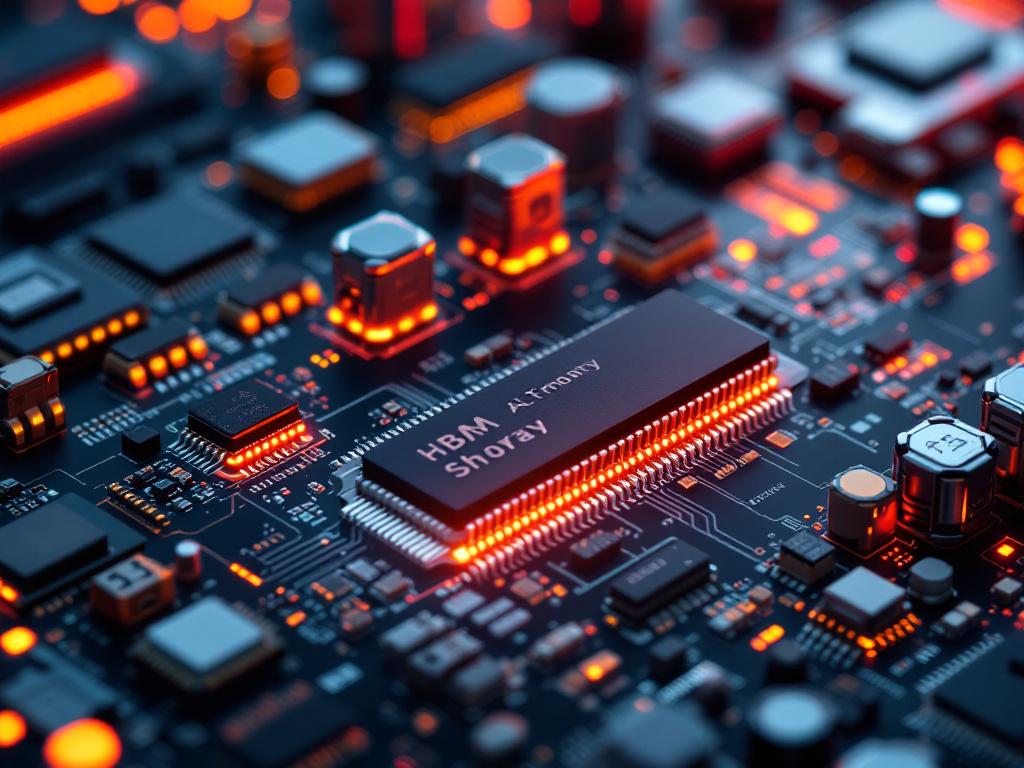
The global technology sector is grappling with an unprecedented crisis in memory chip supply, driven primarily by the explosive growth of artificial intelligence applications. As data centers worldwide ramp up to meet the demands of AI training and inference, manufacturers have pivoted production lines toward high-bandwidth memory (HBM), leaving traditional DRAM in short supply. This shift has sent RAM prices skyrocketing, with some modules more than tripling in cost over the past few months, according to reports from industry analysts.
Consumers and businesses alike are feeling the pinch, from gamers unable to upgrade their rigs to enterprises delaying server deployments. The shortage isn’t just a blip; experts predict it could persist through 2027 or beyond, as new fabrication plants take years to come online. This situation echoes past semiconductor scarcities but is amplified by AI’s unique requirements, which prioritize specialized chips over commodity memory.
At the heart of the issue is the reallocation of production capacity. Major players like Samsung, SK Hynix, and Micron have redirected resources to produce HBM for AI accelerators, such as those used in Nvidia’s GPUs. This has created a bottleneck for DDR5 and other standard RAM types, essential for everything from smartphones to personal computers.
The AI Boom’s Hidden Cost
The diversion of DRAM capacity into HBM has already doubled memory prices, with DDR5 exceeding $27 per 16GB module, as noted by Gerry Chen of TeamGroup in a recent interview with Tom’s Hardware. Chen warns that the problem will intensify in 2026, with shortages extending to NAND flash as well, potentially leaving the market underserved until at least 2027-2028.
This isn’t merely about supply chain disruptions; it’s a fundamental mismatch between surging demand and stagnant production expansion. Over the past two years, memory chip makers have underinvested in new capacity, betting on a more balanced market. Instead, AI’s rise has upended those calculations, creating what Morgan Stanley describes as an “unprecedented super cycle” in DRAM demand, as shared in posts on X from industry observers.
Beyond AI, other factors compound the shortage. Geopolitical tensions, including trade restrictions on advanced semiconductors, have slowed the flow of components. Natural disasters and factory outages, though less prominent this time, add to the volatility. Meanwhile, the automotive industry, which relies on lower-end chips for infotainment and safety systems, is facing production delays, as highlighted in a Bloomberg analysis referenced in Ainvest.
Ripples Across Consumer Electronics
For everyday users, the impact is immediate and tangible. RAM kits that cost around $50 for 16GB just three months ago now fetch over $150 in some markets, per pricing data from Ars Technica. This surge is deterring PC builders and upgraders, turning what was once an affordable hobby into a luxury.
The crisis extends to storage, with SSD prices poised to follow suit due to NAND shortages. TrendForce reports that NAND flash wafer supply is deteriorating, which could drive up costs for drives used in laptops and data centers, as detailed in an article from PC Gamer. This double whammy affects not just gamers but also professionals relying on high-performance computing.
Even smartphones aren’t immune. Chinese manufacturers like Xiaomi are warning of price hikes as they compete with tech giants for limited memory supplies. Posts on X from users like Abu highlight how memory prices have more than doubled since February, with SK Hynix projecting shortages until late 2027, forcing Big Tech firms such as Microsoft, Google, and Amazon to scramble for allocations.
Industry Giants Scramble for Solutions
In response, companies are hoarding inventory and seeking alternative suppliers, but options are limited. Japanese electronics stores have imposed purchase limits on hard drives, a sign of widespread panic, as noted in recent X posts from MacroStrategy Partnership. This rationing underscores the severity, with inventories dropping from 3.3 weeks to 2.7 weeks, according to TrendForce data shared on X by Jukan.
Micron’s decision to discontinue consumer RAM sales under its Crucial brand, after nearly 30 years, exemplifies the shift toward lucrative AI markets. As reported in Ars Technica (noting this is a separate article from the earlier pricing one), the company cites overwhelming data center demand as the reason, redirecting all capacity to enterprise needs.
Smaller players like Team Group are sounding alarms too. Their GM’s stark warning in Tom’s Hardware (previously linked) about December contract prices jumping 80-100% signals the start of a multiyear upcycle. This perspective is echoed in TechPowerUp, which details how the shortage is just beginning, with major hikes ahead.
The Broader Economic Fallout
The ramifications extend to global economics. Stockpiling by AI hyperscalers is exacerbating the squeeze on smaller firms, potentially stifling innovation in non-AI sectors. Analysts at BaCloud forecast that RAM prices across desktop, mobile, and server segments will remain elevated through 2026, with no relief until new fabs ramp up.
This scenario challenges the notion of “future-proofing” in tech purchases. As discussed in XDA Developers, buying high-spec hardware now might not safeguard against future shortages, as performance gains are overshadowed by availability issues.
For the automotive sector, the stakes are higher. Memory chips are integral to advanced driver-assistance systems and electric vehicle controls. The Ainvent piece (earlier referenced) warns of delayed production and higher costs, which could ripple into consumer prices for cars and electronics.
Voices from the Front Lines
Industry insiders on X, such as Grummz, compare this to past crypto mining booms but warn it’s far worse, with AI demand requiring years of new fab construction. Eric S. Raymond’s posts suggest that while capital will eventually chase the opportunity, leading to overcapacity, the interim could see speculative bubbles deflate if AI hype cools.
Bloggers like Jeff Geerling, in his post on jeffgeerling.com, paint a vivid picture of how the shortage affects hobbyists and small-scale builders, emphasizing that this “comes for us all” – from individual tinkerers to massive corporations.
Even in consumer electronics, the strain is evident. PC Gamer’s tracking of prices (distinct from the SSD article) shows memory and storage costs climbing fast, squeezing budgets for gaming rigs and beyond.
Pathways to Resolution
Looking ahead, solutions hinge on expanding production. New facilities from Samsung and others are in the pipeline, but timelines stretch to 2027-2028, as per TeamGroup’s Chen in the Tom’s Hardware interview. Governments may intervene with subsidies or trade policies to boost domestic manufacturing, though geopolitical hurdles remain.
Recycling and efficiency improvements offer short-term bandaids. Companies are optimizing AI models to use less memory, but this can’t fully offset the demand surge. As Ray Wang notes on X, major memory makers have halted new orders for the year, forcing brands like ADATA and Corsair to ration supplies.
The crisis also spotlights sustainability concerns. The energy-intensive nature of chip production, combined with AI’s power demands, raises questions about long-term viability. Yet, innovation could emerge, such as next-gen memory technologies like MRAM, though they’re not ready to scale yet.
Echoes of Past Crises and Future Warnings
Historically, semiconductor shortages have followed boom-bust cycles, from the 2020-2021 chip famine driven by pandemic disruptions to earlier memory gluts. This time, AI’s role makes it unique, with demand projected to grow exponentially.
Posts on X from Info Room describe a “global memory chip supply crisis,” with prices for DRAM and flash doubling and inventories plunging. This sentiment is widespread, with users like IUX Official detailing how firms from Microsoft to Xiaomi are battling for supplies.
For industry insiders, the lesson is clear: diversification of supply chains and strategic stockpiling are essential. As the shortage deepens, those who adapt quickest – perhaps by shifting to edge computing or alternative architectures – will weather the storm.
Navigating the Memory Minefield
In practical terms, businesses are advised to audit their needs and secure contracts early. Consumers might delay upgrades or opt for refurbished gear, though availability there is also tightening.
The automotive and electronics sectors, as per the Ainvent analysis, face systemic challenges, with lower-end chips in particular short supply due to prioritization of high-margin AI components.
Ultimately, this shortage tests the resilience of the tech ecosystem. While painful, it could spur investments that bolster future supply, ensuring that the next wave of innovation isn’t hampered by silicon scarcity. As Geerling’s blog poignantly states, this crisis unites us all in its reach, from the garage inventor to the boardroom executive.


 WebProNews is an iEntry Publication