
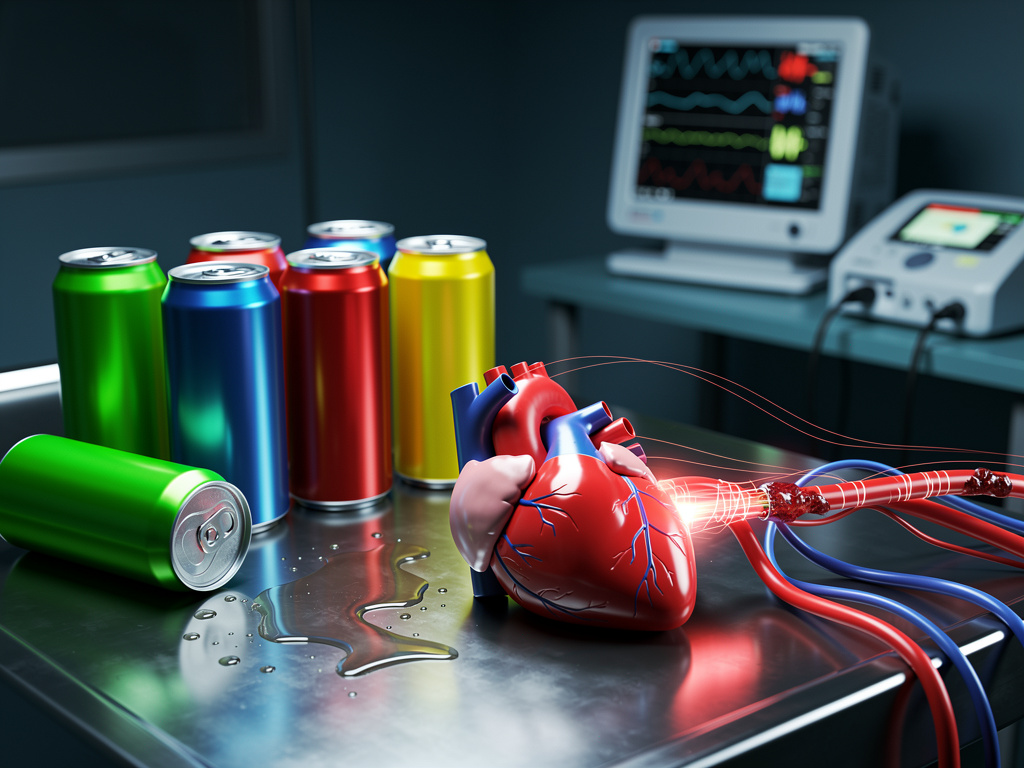
The Caffeinated Catastrophe: How Energy Drinks Pushed One Man’s Heart to the Brink
In the bustling world of modern productivity, energy drinks have become a staple for many, promising a quick jolt to power through long hours. But a recent case study has cast a stark spotlight on the potential dangers lurking in these fizzy elixirs. A fit man in his 50s, with no prior health issues, found himself in a hospital bed after suffering a minor stroke, his blood pressure skyrocketing to alarming levels—all traced back to his habit of downing eight cans a day. This incident, detailed in a report published in BMJ Case Reports, underscores a growing concern among medical professionals about the cardiovascular risks associated with excessive consumption of these beverages.
The patient, a warehouse worker who relied on energy drinks to stay alert during shifts, arrived at the emergency room with symptoms including slurred speech, facial droop, and weakness on one side of his body—classic signs of a stroke. Doctors measured his blood pressure at an astonishing 254/150 mmHg, far exceeding the emergency threshold of 180/120 mmHg. According to the case study, his only notable risk factor was his daily intake of high-caffeine energy drinks, each containing around 160mg of caffeine, totaling over 1,280mg per day—more than triple the recommended safe limit for adults.
Investigations revealed a minor stroke caused by a small blood clot in the brain, leading to permanent damage despite prompt treatment. The man’s blood pressure normalized only after he ceased consuming the drinks, suggesting a direct link. This isn’t an isolated anecdote; it aligns with broader warnings from health experts about how ingredients like caffeine, taurine, and sugar in energy drinks can disrupt heart rhythms, elevate blood pressure, and increase stroke risk.
A Deeper Look at the Ingredients at Play
Caffeine, the primary stimulant in most energy drinks, acts on the central nervous system to boost alertness, but in high doses, it can constrict blood vessels and spike blood pressure. Combined with other compounds like taurine, which affects cardiac muscle function, and excessive sugars that contribute to metabolic stress, the mixture creates a potent cocktail for cardiovascular strain. In this case, the patient’s extreme hypertension was likely exacerbated by chronic exposure, leading to endothelial dysfunction—the impaired ability of blood vessels to dilate properly.
Medical literature has long hinted at these perils. A 2021 randomized controlled study highlighted in posts on social media platform X noted that energy drink consumption could prolong QT intervals on electrocardiograms, potentially leading to fatal arrhythmias. Users on X, including medical professionals, have shared anecdotes and warnings, emphasizing risks like heart palpitations and sudden cardiac events, though these are often based on observational data rather than rigorous trials.
The Guardian reported on this specific case, citing doctors who warn that such habits may raise the overall risk of heart disease and stroke in otherwise healthy individuals. In their article, available here, experts stress the need for public awareness, especially among shift workers and young adults who frequently turn to these drinks.
From Anecdote to Broader Implications
This patient’s story echoes previous incidents documented in medical journals. For instance, CNN covered the same case, detailing how the man suffered permanent damage despite his prior good health. Their report, found here, points out that while energy drinks are marketed as performance enhancers, their overuse can lead to irreversible harm. The article quotes neurologists who observed that quitting the drinks not only stabilized his blood pressure but also improved other markers like heart rate variability.
Ars Technica delved into the shock value of the blood pressure reading, noting in their piece here that such extremes are rare but increasingly reported in connection with stimulant-heavy beverages. They reference emergency guidelines, where readings above 180/120 demand immediate intervention to prevent organ damage, including strokes.
UPI.com also examined the case, linking the stroke directly to the eight-can daily habit in their analysis here. Their coverage highlights how the patient’s symptoms resolved partially after discontinuation, but some neurological deficits persisted, serving as a cautionary tale for habitual consumers.
Industry Responses and Regulatory Gaps
The energy drink market, dominated by brands like Red Bull and Monster, has exploded in recent years, with global sales surpassing $50 billion annually. Yet, regulation remains lax in many regions. In the U.S., these products are classified as dietary supplements, not requiring the same scrutiny as sodas or medications. This allows high caffeine levels without mandatory warnings about cardiovascular risks.
MedPage Today explored potential reversibility in their report here, suggesting that eliminating high-caffeine intake could mitigate some harms, as seen in this case. They cite the patient’s follow-up, where blood pressure dropped to normal ranges within weeks, though stroke-related damage lingered.
News-Medical.net warned of broader cardiovascular dangers in their article here, emphasizing that daily consumption of multiple cans could accumulate risks over time, particularly for those with undiagnosed hypertension predispositions.
Voices from Social Media and Public Sentiment
On platforms like X, discussions about energy drink risks have surged following this case. Posts from users, including doctors, recount personal stories of heart palpitations and warn against over-reliance on these beverages for energy. One thread detailed how excessive intake can lead to increased blood pressure and even sudden death, drawing from older studies but amplified by recent events.
People magazine touched on the human element, profiling the warehouse worker’s motivation to “stay alert” in their story here. It illustrates how occupational demands drive such habits, turning a simple pick-me-up into a health hazard.
US News & World Report questioned whether energy drinks inherently increase stroke risk, using this patient’s story as a focal point in their piece here. They advocate for more research, noting that while case studies like this are compelling, larger cohort studies are needed to establish causality.
Expert Insights and Future Directions
Cardiologists interviewed across various outlets express concern over the synergistic effects of energy drink ingredients. For example, high caffeine combined with taurine can amplify sympathetic nervous system activity, leading to sustained hypertension. In vulnerable individuals, this might precipitate clots or vessel ruptures, as occurred here.
Today.com discussed healthier alternatives in light of this research here, suggesting options like natural teas or balanced nutrition to avoid the pitfalls of synthetic stimulants. They reference the case to underline that even “healthy” people aren’t immune.
Broader epidemiological data supports these warnings. A 2024 review on X highlighted links to liver and kidney damage, seizures, and arrhythmias, reinforcing the need for moderation. Medical experts on the platform often cite that while occasional use might be benign, chronic high intake mirrors the risks of excessive coffee but with added unknowns from proprietary blends.
Toward Safer Consumption Habits
This case has prompted calls for better labeling and education. In Europe, some countries already mandate warnings for high-caffeine products, but adoption is inconsistent. Industry insiders note that companies are investing in “healthier” formulations, reducing sugar or adding electrolytes, yet caffeine levels remain high.
The patient’s recovery involved lifestyle changes, including hydration and exercise, which helped manage residual effects. Doctors involved, as reported in multiple sources, recommend screening for blood pressure in heavy users and advise limiting intake to one can per day at most.
As awareness grows, fueled by media coverage and social discourse, consumers are urged to weigh the temporary boost against long-term health. This incident serves as a pivotal example, potentially influencing policy and personal choices in an era where energy demands often outpace natural limits.
Emerging Research and Global Perspectives
Ongoing studies are examining population-level impacts. For instance, a 2025 insight shared on X by health researchers points to rising emergency visits tied to energy drinks, with strokes representing a fraction but significant concern. Globally, regions with high consumption, like Asia and North America, report similar patterns.
In summary—wait, rather, looking ahead, integrating this case into medical education could prevent future occurrences. By highlighting real-world consequences, it bridges the gap between marketing hype and physiological reality, encouraging a more informed approach to these ubiquitous beverages.


 WebProNews is an iEntry Publication