
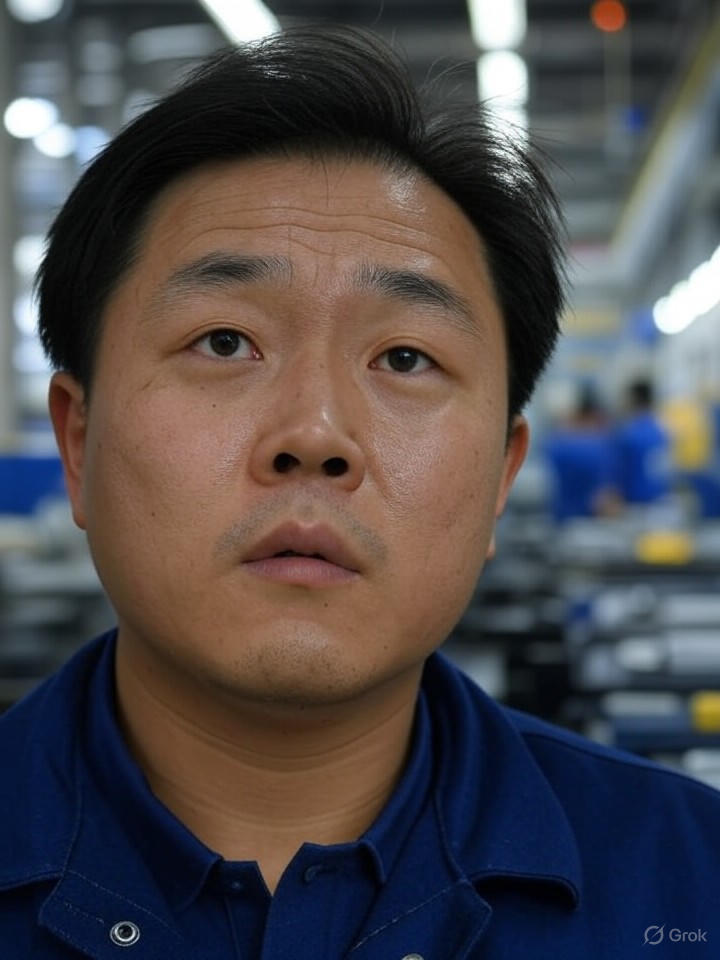
More than 300 South Korean workers detained in a sweeping immigration raid at a Hyundai Motor Group battery plant in Georgia have departed for home, marking a swift diplomatic resolution to an incident that has rattled international business ties and raised questions about U.S. immigration enforcement’s impact on foreign investment. The workers, part of a larger group of about 475 arrested during the operation on September 4, 2025, were released under a special agreement between U.S. and South Korean authorities, allowing them to board a chartered Korean Air flight from Atlanta’s Hartsfield-Jackson International Airport.
The raid, described by witnesses as a military-style operation involving over 400 U.S. Immigration and Customs Enforcement (ICE) agents, targeted the $7.6 billion Hyundai-LG Energy Solution facility in Bryan County, Georgia. Workers, many specialized engineers and technicians on temporary visas, were accused of immigration violations, including working without proper authorization. South Korea’s government quickly intervened, expressing “deep regret” and dispatching consular officials to ensure the detainees’ rights were protected.
Diplomatic Fallout and Investment Concerns
This event has sparked broader concerns among South Korean firms about the stability of investing in the U.S., especially amid pledges of massive capital inflows. President Lee Jae-myung issued a pointed warning, highlighting potential risks to the $500 billion in planned investments from Korean companies, according to reports from MSNBC. The Hyundai plant, a cornerstone of the electric vehicle supply chain, relies heavily on skilled foreign labor to meet production deadlines tied to U.S. incentives under the Inflation Reduction Act.
While the South Korean workers have been repatriated—arriving at Incheon International Airport to emotional reunions and some protests—the fate of nearly 200 non-Korean detainees remains uncertain. Lawyers and social workers cited in a ABC News article describe families in crisis, with many workers facing deportation proceedings and separation from U.S.-based relatives. This disparity underscores the raid’s uneven impact, prioritizing diplomatic expediency for high-profile nationals.
Eyewitness Accounts and Operational Details
Personal stories from the raid paint a chaotic picture: workers recounted panic as agents stormed the site, handcuffing individuals and separating groups. One South Korean detainee, speaking to the BBC, described the scene as “like a war zone,” with confusion over visa statuses exacerbating the fear. The operation, one of the largest in recent years, was justified by ICE as routine enforcement against illegal employment, but critics argue it disrupts critical infrastructure projects.
Hyundai and LG Energy Solution, joint venture partners in the Metaplant America facility, have downplayed long-term effects, stating they are cooperating with authorities and recruiting replacements. However, industry insiders note potential delays in ramping up battery production for electric vehicles, a sector vital to U.S. efforts to compete with China. Posts on X (formerly Twitter) reflect public sentiment, with users expressing outrage over the treatment of workers and speculating on political motivations, though such claims remain unverified.
Broader Implications for Global Supply Chains
The incident arrives at a sensitive time for U.S.-South Korea relations, coinciding with trade negotiations and efforts to bolster semiconductor and EV manufacturing onshore. As detailed in a New York Times analysis, delays in repatriation fueled anger in Seoul, with initial plans for departure stalled until September 11, prompting accusations of inhumane conditions like shackling during transport.
For industry executives, this raid serves as a cautionary tale about navigating U.S. visa complexities. South Korean companies, which have invested billions in states like Georgia to tap into subsidies, now face heightened scrutiny. A Reuters report quotes returned workers expressing reluctance to return, potentially exacerbating labor shortages in specialized fields.
Economic Repercussions and Future Outlook
Economically, the fallout could ripple through the auto industry. The Georgia plant is projected to create thousands of jobs and produce batteries for Hyundai, Kia, and potentially other automakers, supporting the Biden administration’s green energy goals. Yet, as PBS News reports, the raid has prompted Korean firms to reassess expansion plans, with some considering alternatives in more predictable markets.
Looking ahead, experts anticipate increased dialogue between Washington and Seoul to prevent similar disruptions. Immigration reform advocates call for clearer guidelines on skilled worker visas, arguing that aggressive enforcement undermines foreign direct investment. In Georgia, local officials have defended the raid as necessary for rule of law, but business leaders worry about reputational damage to the state’s pro-investment image.
Lessons for International Business
Ultimately, this episode highlights the tension between national security priorities and global economic interdependence. As South Korea charters flights and negotiates releases, the human cost—families uprooted, projects delayed—reminds insiders that immigration policy can swiftly alter corporate strategies. With more raids possible in an election year, companies must prioritize compliance while advocating for streamlined visa processes to sustain cross-border collaborations.


 WebProNews is an iEntry Publication