
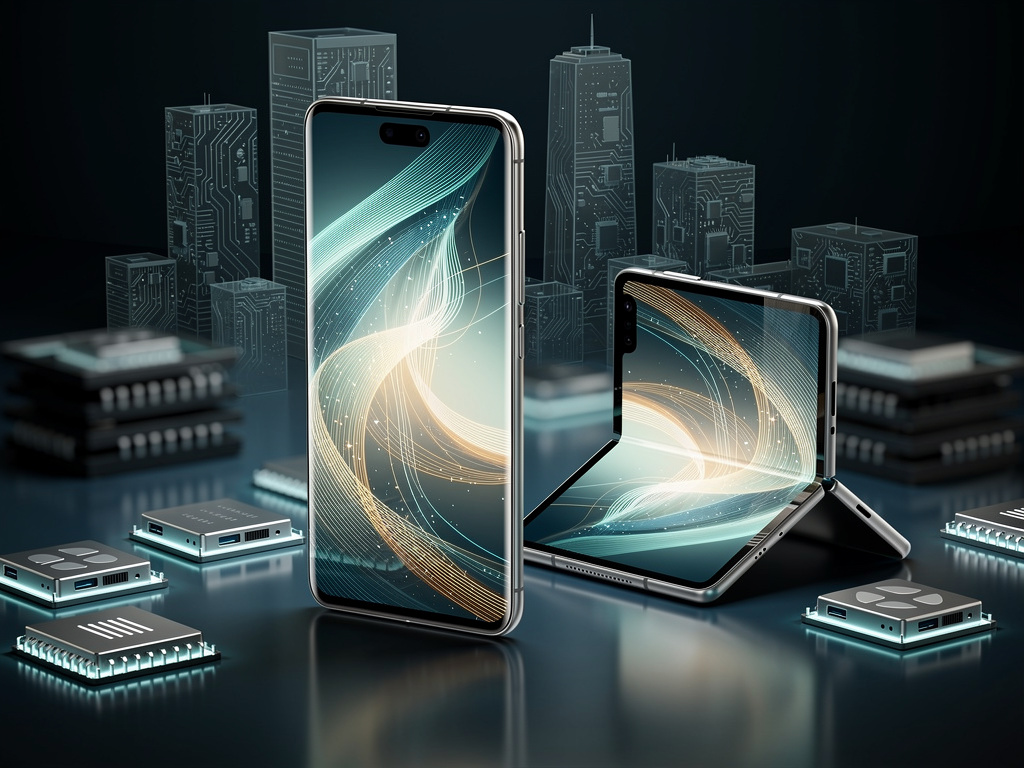
The Smartphone Horizon: Bright Innovations and a Shadow of Escalating Costs in 2026
As we stand on the cusp of 2026, the smartphone industry is poised for a transformative leap, driven by advancements in artificial intelligence, display technologies, and device form factors. Industry experts and recent analyses suggest that next year’s devices will integrate AI more deeply than ever, turning smartphones into intuitive companions that anticipate user needs. But this progress comes with challenges, including supply chain pressures that could reshape pricing and accessibility for consumers worldwide.
Drawing from years of hands-on testing, reviewers like those at ZDNet highlight how 2026 could mark a pivotal shift. Foldable phones, once niche, are expected to go mainstream, with Apple potentially entering the fray with its first foldable iPhone. This move, as detailed in a CNET report, could redefine user interactions, offering larger screens in compact designs without sacrificing portability.
Meanwhile, AI enhancements are set to evolve from add-ons to core features. Processors like Qualcomm’s Snapdragon 8 Gen 5 and Google’s Tensor G5 are engineered for on-device AI, enabling real-time processing that boosts privacy and speed. This isn’t just hype; it’s a response to growing demands for seamless integration in daily life, from personalized assistants to advanced photography.
AI at the Core: Redefining User Experiences
Beyond hardware, software ecosystems will amplify these capabilities. According to insights from Forbes, 2026 will see AI-native functionalities baked into operating systems, moving past the “bolted-on” assistants of previous years. Imagine devices that not only suggest edits to your photos but also generate content based on your habits, all processed locally to minimize data risks.
This trend aligns with broader tech movements, as noted in Deloitte’s predictions. Their Tech Trends 2026 report emphasizes neuromorphic computing and edge AI, which could narrow the gap between AI’s promise and practical delivery. For industry insiders, this means smartphones becoming hubs for enterprise tasks, from data analysis to collaborative workflows.
However, not all innovations are universally welcomed. Posts on X from tech enthusiasts and analysts, such as those discussing flagship upgrades, reveal excitement over features like ultrasonic fingerprint sensors and IP69 ratings in devices from brands like iQOO and OnePlus. Yet, there’s a undercurrent of concern about how these enhancements might strain production costs.
Foldables Take Center Stage: A New Era of Flexibility
The foldable segment is heating up, with IDC forecasting a 30% year-over-year growth in 2026, largely fueled by Apple’s anticipated entry. In their market analysis, experts point to the iPhone Fold as a catalyst, potentially boosting adoption rates and encouraging competitors to innovate further.
Samsung, already a leader with models like the Galaxy Z TriFold, is expected to refine its offerings. A Mashable forecast outlines how foldables will dominate headlines, pairing with AI robots and smart glasses to create interconnected ecosystems. This convergence could transform how professionals multitask, turning a phone into a portable workstation.
Design evolutions are also on the horizon. X posts from insiders like Debayan Roy indicate a shift toward flat displays and massive batteries up to 7,500mAh in mid-range models, moving away from curved screens. This practical approach prioritizes durability and longevity, appealing to users tired of fragile builds.
The Dark Side: Memory Shortages and Price Surges
Yet, amid these bright prospects, a nasty surprise looms: escalating prices due to a global memory shortage. As outlined in an IDC blog post, rising costs for DRAM and NAND are set to impact smartphone specs and pricing, potentially leading to reduced RAM and storage options across segments.
This crisis stems from a pivot toward AI-focused chips, as highlighted in posts on X from analysts like Utsav Techie, who warn that 2026 could see flagship phones with downgraded configurations—16GB RAM dropping to 12GB, and budget models reverting to 4GB. Counterpoint’s projections, shared via X by Walter Bloomberg, predict a 2.1% decline in global shipments, underscoring how chip shortages might dampen demand.
For consumers, this translates to tough choices. An article from MSN, based on extensive testing, captures this duality: while innovations shine, the “nasty surprise” of higher costs could make premium features less accessible, forcing buyers to compromise on specs or delay upgrades.
Battery and Performance Boosts: Powering the Future
On a more positive note, battery technology is advancing rapidly. Predictions from Android Central, in their 2026 outlook, emphasize larger capacities and faster charging, addressing long-standing pain points. This could mean devices lasting two days on a single charge, a boon for professionals on the go.
Performance upgrades tie into this, with new SoCs promising efficiency gains. TechRadar’s team, in a recent roundup, expresses desires for better AI integration and sustainable designs, reflecting community sentiment on X where users clamor for eco-friendly materials and modular components.
Moreover, audio and haptic improvements are gaining traction. X discussions from Gadgetsdata point to enhanced speakers and larger haptic motors in 2026 flagships, elevating multimedia experiences. These subtle yet impactful changes could differentiate brands in a crowded market.
Connectivity and Ecosystems: Beyond the Device
Looking deeper, connectivity layers are evolving. Forbes’ trends article notes new standards that enhance data access and collaboration, making smartphones integral to broader digital services. This is particularly relevant for businesses, where seamless integration with cloud and edge computing will streamline operations.
Smart glasses and humanoid robots, as teased in Mashable’s predictions, might complement phones, creating symbiotic relationships. Deloitte’s insights reinforce this, suggesting that 2026 will see AI scaling in ways that bridge consumer and enterprise needs, potentially revolutionizing sectors like healthcare and education.
However, supply chain vulnerabilities remain a wildcard. The IDC memory analysis warns of ripple effects on PC markets too, but for smartphones, it could mean strategic shifts—brands like Samsung and Google optimizing for cost without sacrificing core features, as speculated in X posts about the Galaxy S26 series.
Navigating Challenges: Industry Responses and Consumer Impacts
Manufacturers are already adapting. Apple’s AI upgrades, mentioned in Android Central’s coverage, aim to justify premium pricing through exclusive features. Similarly, Google’s Pixel lineup is expected to build on foundational gains, per X insights from Anthony, offering value in mid-tier models like the S26 FE.
Critics, however, call out trends to abandon. Android Authority’s list of undesired features includes proprietary charging and ultra-thin designs that compromise battery life, echoing X sentiments for more practical innovations.
For industry insiders, these dynamics underscore a balancing act: harnessing AI and foldables while mitigating cost pressures. TechInsights’ Outlook Report, shared on X, notes limited edge AI adoption but strong U.S. demand, hinting at regional disparities in market evolution.
Emerging Sentiments: Voices from the Tech Community
Sentiment on platforms like X reveals a mix of optimism and caution. Posts from figures like Nipun Marya link to articles pondering performance and design trajectories, while Trakin Tech English outlines uncomfortable shifts like reduced specs. This grassroots feedback, combined with expert analyses, paints a nuanced picture of 2026.
Globally, shipments may dip, but innovation persists. CNET’s comparison of lineups anticipates exciting releases from Samsung’s Galaxy S26 Ultra to foldable newcomers, potentially offsetting shortages through superior user experiences.
In this evolving arena, consumers and businesses alike must weigh the allure of cutting-edge tech against economic realities. As ZDNet’s CES 2026 preview suggests, events like the world’s biggest tech show will showcase these trends, from AI advancements to expansive displays, setting the stage for what’s next.
Strategic Shifts: How Brands Are Preparing
Brands are pivoting strategically. Samsung’s reckoning, as discussed in Android Central, involves decisions on chipsets and features that could define its 2026 success. X posts about the Galaxy S26 Edge highlight ultra-thin bodies with high-end cameras, appealing to those seeking premium without bulk.
Venture capital perspectives, from a Business Insider piece, emphasize tiny teams and personal AI agents, influencing smartphone development. This investor lens predicts a shift from hype to tangible returns, pushing for efficient, user-centric designs.
Ultimately, 2026 promises a smartphone realm where AI empowers and foldables liberate, but only if the industry navigates the memory crunch adeptly. For insiders, staying ahead means monitoring these trends closely, as they reshape not just devices, but how we interact with technology daily.


 WebProNews is an iEntry Publication