
Exposed Circuits: The Hidden Vulnerabilities Plaguing Service Providers in 2026
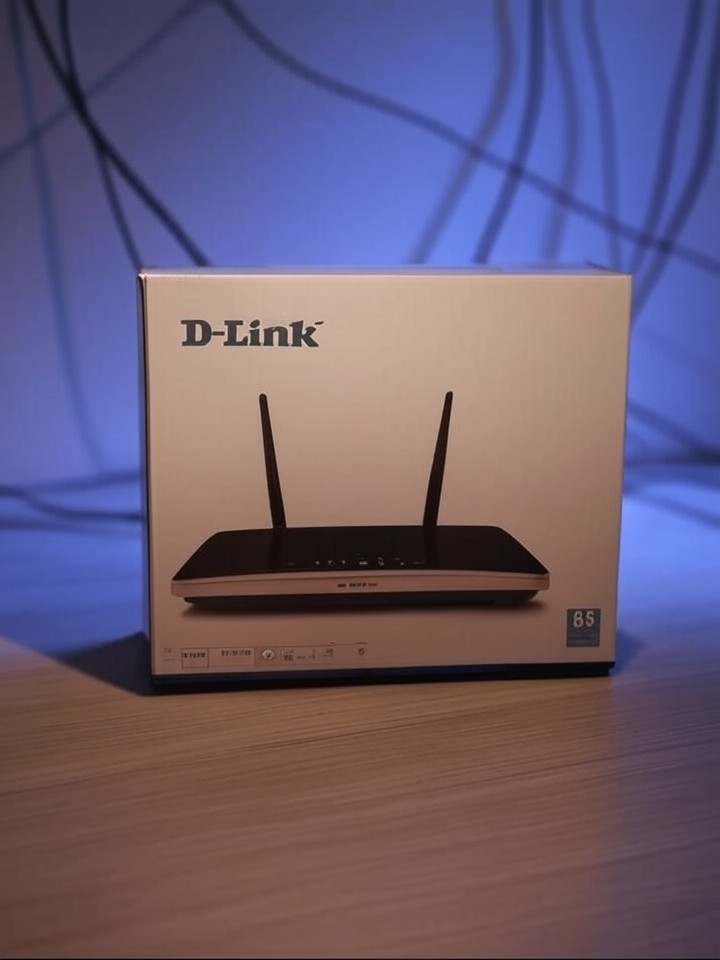
In the fast-evolving world of digital services, where connectivity underpins everything from cloud computing to telecommunications, a new wave of vulnerabilities is emerging that could upend the reliability of service providers. Recent research has spotlighted critical flaws in legacy systems, particularly in devices like D-Link DSL routers, which are still widely used despite their age. These weaknesses allow unauthenticated attackers to execute remote code, hijack DNS settings, and potentially compromise entire networks. This isn’t just a technical glitch; it’s a systemic issue that exposes service providers to sophisticated cyber threats, raising alarms across the industry.
Security experts have long warned about the dangers of outdated hardware in modern infrastructures, but the specifics uncovered in early 2026 bring these concerns into sharp focus. According to a report from The Hacker News, active exploitation of a critical remote code execution (RCE) vulnerability in legacy D-Link DSL routers has been observed, enabling attackers to run arbitrary commands without authentication. This flaw, affecting models that many internet service providers (ISPs) still deploy, underscores the perils of relying on end-of-life equipment. The implications are vast, as compromised routers can serve as entry points for broader attacks on provider networks.
Beyond individual devices, the broader ecosystem of service providers faces mounting pressures from AI-driven threats and identity-based attacks. Publications like Lazarus Alliance highlight how the convergence of artificial intelligence with automated attacks is amplifying risks, making it easier for adversaries to target weak points in service infrastructures. These developments suggest that service providers must rethink their defense strategies, moving beyond traditional firewalls to incorporate advanced threat intelligence and automated response systems.
Rising Tide of AI-Enhanced Attacks
The integration of AI into cyber offensives is not hypothetical; it’s already reshaping how threats manifest against service providers. Predictions from industry analysts indicate that in 2026, AI will be operationalized in security operations centers, but ironically, the same technology empowers attackers. A blog post on CISecurity.org discusses how AI shifts from experimental to core components in threat detection, yet this double-edged sword means service providers could face AI-orchestrated intrusions that adapt in real-time to defensive measures.
Service providers, often acting as the backbone for critical sectors like healthcare and transportation, are prime targets because a single breach can cascade into widespread disruptions. Recent news from Dark Reading emphasizes the rise of AI-driven threats, urging providers to adopt advanced security measures. This includes embedding AI for proactive threat hunting, but the challenge lies in balancing innovation with the risks of new vulnerabilities introduced by these tools themselves.
Moreover, vulnerabilities in software supply chains are exacerbating the situation. For instance, flaws in protocols like React Server Components, as noted in analyses from The National Law Review, demonstrate how unsafe deserialization can lead to easily exploitable weaknesses. Service providers relying on third-party software must now scrutinize their vendors more rigorously, ensuring that updates and patches are applied swiftly to mitigate such risks.
Legacy Systems as Achilles’ Heels
The persistence of legacy systems in service provider environments is a recurring theme in 2026’s threat discussions. Posts on X, formerly Twitter, from cybersecurity professionals highlight ongoing discoveries of critical vulnerabilities, such as unauthenticated API endpoints exposing sensitive data. These social media insights reflect a community consensus that end-of-life hardware, like the aforementioned D-Link routers, remains a weak link, with active exploitation campaigns targeting them relentlessly.
Government agencies are also sounding the alarm. The January 2026 cybersecurity newsletter from HHS.gov stresses the importance of multi-factor authentication and risk analysis for regulated entities, but many service providers lag in implementing these basics. This gap is particularly evident in sectors where budget constraints limit upgrades, leaving them exposed to threats that exploit outdated authentication mechanisms.
Furthermore, the dismantling of key oversight bodies, such as the Cyber Safety Review Board, has reduced federal support for vulnerability management. As detailed in reports, budget cuts to agencies like CISA have hampered efforts to provide guidance and assessments, forcing service providers to navigate these challenges with fewer resources. This shift places greater responsibility on providers to conduct internal audits and foster collaborations with cybersecurity firms.
Geopolitical Influences on Cyber Risks
Geopolitical tensions are increasingly intertwined with cyber threats, influencing the strategies of state-sponsored actors targeting service providers. Experts predict that in 2026, attacks will expand from utilities to sectors like healthcare and logistics, leveraging ransomware and operational technology intrusions. Insights from GovTech.com compile predictions from top vendors, painting a picture of a year where global conflicts amplify digital risks.
Service providers must contend with supply chain vulnerabilities, especially in SaaS environments. Legacy industrial control systems (ICS) are particularly susceptible, as attackers exploit them to disrupt critical services. X posts from industry watchers echo this, noting trends like the abuse of legitimate remote access tools and zero-day exploits in products from vendors like Fortinet and Ivanti, which service providers often integrate into their networks.
To counter these, proactive measures are essential. Cybersecurity companies are stepping up, with lists of top firms for 2026 from sources like Teamwin.in recommending partners that specialize in threat intelligence and vulnerability management. Providers are advised to invest in tools like network scanners and intrusion detection systems, as outlined in compilations of cybersecurity tools shared on social platforms.
Strategies for Fortifying Defenses
Building resilience requires a multifaceted approach, starting with comprehensive risk assessments. Service providers should prioritize patching known vulnerabilities, such as the React2Shell flaw mentioned in earlier analyses from The National Law Review, which affects modern web applications. Regular vulnerability scanning, using tools like Nmap and Wireshark, can help identify exposed assets before attackers do.
Collaboration is key in this environment. Industry predictions compiled by Solutions Review suggest that sharing threat intelligence among providers will become a standard practice in 2026. This communal defense model can amplify individual efforts, especially for smaller providers lacking in-house expertise.
Additionally, training and awareness programs are crucial. With threats like credential abuse and malvertising on the rise, as noted in X posts from cybersecurity experts, employees must be equipped to recognize and respond to phishing attempts and other social engineering tactics. Service providers that integrate these human elements into their security frameworks stand a better chance of withstanding the onslaught.
Emerging Tools and Technologies
Innovation in cybersecurity tools offers hope amid these challenges. AI’s role in automating incident response, as predicted in the CISecurity.org blog, can significantly reduce response times for service providers. By embedding AI across the incident lifecycle, providers can achieve greater precision in threat containment.
However, adopting new technologies must be done cautiously to avoid introducing fresh vulnerabilities. Reports from Cybersecurity Insiders provide actionable strategies, emphasizing the need for robust testing and validation of AI implementations. Service providers are encouraged to explore cybersecurity-as-a-service models, which offer scalable defenses without massive upfront investments.
Data from recent breaches, tracked in updates from PKWARE, illustrate the consequences of inaction. In 2025 alone, numerous incidents compromised organizations due to unpatched vulnerabilities, a trend likely to continue unless providers adapt.
Navigating Regulatory and Budgetary Hurdles
Regulatory changes add another layer of complexity. With CISA facing challenges outlined in Cybersecurity Dive, service providers must fill the gaps left by reduced federal support. This includes self-assessing for compliance with standards like HIPAA, where authentication failures can lead to severe penalties.
Budget constraints, exacerbated by economic pressures, force tough choices. Yet, investing in cybersecurity is non-negotiable, as the cost of a breach far exceeds prevention expenses. X discussions from professionals underscore the need for prioritizing high-impact vulnerabilities, such as those in workflow automation tools like n8n, which have seen critical flaws emerge in early 2026.
Ultimately, service providers that embrace a culture of continuous improvement—through regular updates, employee training, and strategic partnerships—will be better positioned to thrive. By addressing these vulnerabilities head-on, the industry can mitigate the risks that threaten to disrupt the digital foundations we all rely on.
The Path Forward for Resilient Networks
Looking ahead, the focus must shift to predictive analytics and zero-trust architectures. These frameworks, advocated in predictions from Dark Reading, ensure that no entity is trusted by default, reducing the impact of compromised components like legacy routers.
Service providers should also leverage community resources, such as bug bounty programs highlighted in X posts, to uncover hidden flaws before malicious actors do. This proactive stance can transform potential weaknesses into opportunities for strengthening defenses.
In closing, the vulnerabilities plaguing service providers in 2026 demand urgent attention and innovative solutions. By drawing on insights from across the industry, from The Hacker News reports to expert predictions, providers can chart a course toward more secure operations, safeguarding the critical services that power our connected world.


 WebProNews is an iEntry Publication