
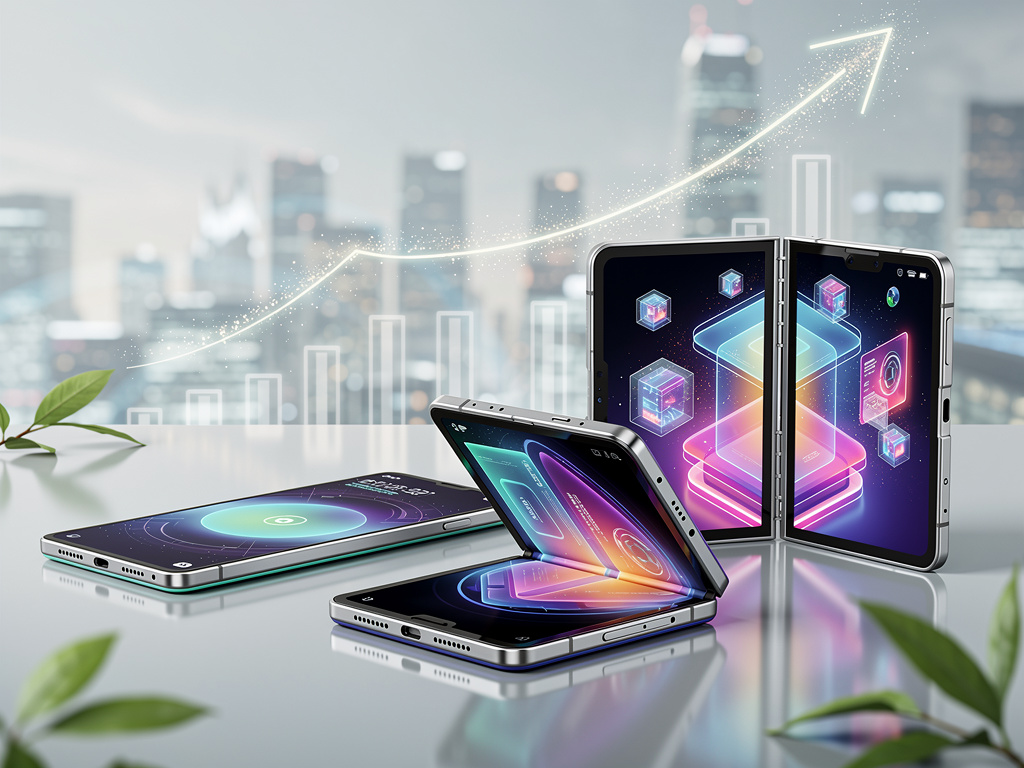
Bending Horizons: The Foldable Phone Revolution Poised to Unfold in 2026
The foldable phone sector is on the cusp of a transformative year in 2026, with innovations promising to elevate these devices from niche gadgets to mainstream essentials. As manufacturers refine designs and integrate cutting-edge technologies, the coming months could mark a pivotal shift in how consumers interact with mobile devices. Drawing from recent industry analyses, experts anticipate that new form factors and enhanced features will drive adoption, potentially reshaping market dynamics.
One key driver is the rumored entry of Apple into the foldable arena, which could catalyze broader acceptance. Reports suggest that Apple’s foldable iPhone, expected to debut in 2026, might feature a clamshell design similar to existing flip-style phones, combining premium build quality with versatile screens. This move comes after years of speculation, with sources indicating that Apple has been developing prototypes to address durability concerns that have plagued early foldables.
Beyond Apple, established players like Samsung are pushing boundaries with slimmer profiles and improved materials. For instance, Samsung’s upcoming models are said to incorporate titanium back plates for lighter, more robust constructions, building on lessons from previous generations. These advancements aim to mitigate common issues such as creases on displays and hinge reliability, making foldables more appealing to everyday users.
Evolving Designs and Market Momentum
The push toward tri-fold designs represents a bold step forward, allowing devices to expand into tablet-like sizes while maintaining pocketable forms when closed. Industry forecasts predict that such innovations will fuel a 30% year-over-year growth in the global foldable smartphone market, as highlighted in a report from IDC. This growth is not just numerical; it reflects a maturing category where competition spurs rapid iteration.
Sustainability is emerging as a core theme, with manufacturers emphasizing eco-friendly materials and longer-lasting batteries. For example, projections for 2026 include devices with advanced connectivity options and AI-driven features that optimize energy use, aligning with consumer demands for ethical technology. Publications like TechTimes note that these trends will blend larger displays with portability, creating immersive experiences without compromising on environmental considerations.
On social platforms like X, enthusiasts and insiders are buzzing about potential rollable designs from Samsung, which could extend from compact sizes to full phone dimensions. Posts from tech analysts describe prototypes with enhanced durability, suggesting a release timeline following major flagship launches. This sentiment underscores a growing excitement around foldables that adapt seamlessly to user needs, from multitasking to media consumption.
Apple’s Foldable Ambitions and Industry Ripples
Apple’s foray into foldables is particularly noteworthy, with leaks pointing to a device boasting a 5.5-inch outer display and a 7.8-inch inner screen, powered by an A20 Pro chip. According to posts on X from gadget experts, this model might include a titanium body and dual 48-megapixel cameras, positioning it as a premium contender. The anticipation is palpable, as Apple’s entry could validate the category and attract a loyal user base accustomed to seamless ecosystems.
However, challenges remain, including affordability and durability hurdles that have slowed widespread adoption in past years. Analysts from Android Central argue that 2026 marks the end of early setbacks, with slimmer designs and trifolds restoring momentum. This optimism is echoed in market studies, which project that Apple’s involvement will accelerate innovation across the board.
Integration of augmented reality (AR) and virtual reality (VR) capabilities is another frontier, as foldables offer larger canvases for immersive applications. Future models are expected to leverage these for enhanced productivity, such as virtual meetings or interactive gaming, without the need for separate headsets. Insights from Mashable highlight how such features will dominate headlines, blending hardware advancements with software ecosystems.
Innovations in Durability and User Experience
Durability enhancements are critical, with new hinge mechanisms and flexible glass technologies addressing wear and tear. Samsung, for one, has been testing rollable prototypes that improve upon traditional folding designs, as shared in various X discussions. These efforts aim to make devices more resilient to daily use, potentially including water resistance and dust protection that rival slab-style phones.
Battery life and charging speeds are also set for upgrades, with 2026 models incorporating solid-state batteries for greater efficiency. This ties into broader trends toward minimalist designs that prioritize sleek hardware and user-focused simplicity, as detailed in a recent piece from TechTimes on emerging smartphone directions. Such features ensure that foldables not only fold but also endure prolonged sessions of use.
Security features, bolstered by AI, will play a larger role, with biometric advancements like under-display fingerprint sensors becoming standard. Publications such as Tom’s Guide review how 2025 laid the groundwork, with 2026 poised for even greater leaps, including Apple’s first folding attempt that could set new benchmarks.
Competitive Pressures and Global Adoption
Competition is intensifying, with brands like Oppo and Xiaomi introducing quad-camera setups and super zoom capabilities in their foldables. X posts from industry insiders describe upcoming models like the Oppo Find N6 as frontrunners in 2026 launches, featuring expansive screens for multitasking. This diversity fosters a vibrant ecosystem where consumers benefit from varied options tailored to different needs.
Global adoption rates are climbing, particularly in markets where portability meets productivity demands. Forecasts from IDC indicate that Apple’s entry will boost shipments, potentially disrupting leaders like Samsung and Google. As noted in PhoneArena, the next wave of mobile tech feels exciting again after a relatively quiet period, with foldables at the forefront.
Sustainability extends to manufacturing processes, with a shift toward recyclable components and reduced carbon footprints. TechTimes projections emphasize how these ethical considerations will influence design decisions, ensuring that innovation aligns with health-conscious and environmentally aware consumers.
AI Integration and Future-Proofing
AI is weaving deeper into foldable experiences, enabling personalized interfaces and predictive functionalities. For instance, agentic AI could automate tasks across unfolded screens, enhancing efficiency. A list of top trends from Editorialge includes tri-fold screens and satellite communications, painting a picture of devices that connect and empower users in novel ways.
Challenges like high costs persist, but economies of scale from increased production may lower barriers. Insights from Android Central suggest that as more players enter, prices will stabilize, making foldables accessible beyond early adopters.
Looking ahead, the fusion of foldables with wearable tech, such as smart glasses, could create interconnected ecosystems. Mashable’s forecasts point to AI robots and foldables dominating, but in the mobile space, this means seamless integration for augmented daily life.
Market Forecasts and Strategic Shifts
Market analysts predict that by the end of 2026, foldables could capture a significant share of premium smartphone sales. IDC’s data supports this, with Apple’s rumored device acting as a catalyst. X sentiment reflects enthusiasm for features like bigger cover displays on models like the Samsung Galaxy Z Flip, evolving from earlier iterations.
Strategic partnerships, such as Samsung supplying foldable displays to Apple, as confirmed in X posts, highlight industry collaboration. This could lead to standardized technologies that benefit all manufacturers, accelerating overall progress.
In regions like Asia, where foldables have gained traction earlier, innovations are influencing global designs. TechTimes articles on 2025 reviews note how models like the Samsung Galaxy Fold have mainstreamed the concept, setting the stage for 2026’s ambitious lineup.
The Road Ahead for Foldable Pioneers
Pioneers like Samsung continue to innovate with concepts like the Galaxy Z Fold6 Slim, incorporating advanced materials for superior performance. X discussions praise these for resulting in lighter, more durable phones, addressing user pain points effectively.
Apple’s potential flop with the iPhone Air in 2025, as covered in Gadget Hacks, reveals lessons that inform its foldable strategy, emphasizing thinner designs and reliable hinges.
Ultimately, 2026’s foldable innovations promise to blend form and function in ways that redefine mobile computing. With contributions from across the industry, these devices are set to become indispensable tools, driving forward a new era of technological versatility. As competition heats up, consumers stand to gain from a rich array of choices that push the envelope of what’s possible in handheld tech.


 WebProNews is an iEntry Publication