
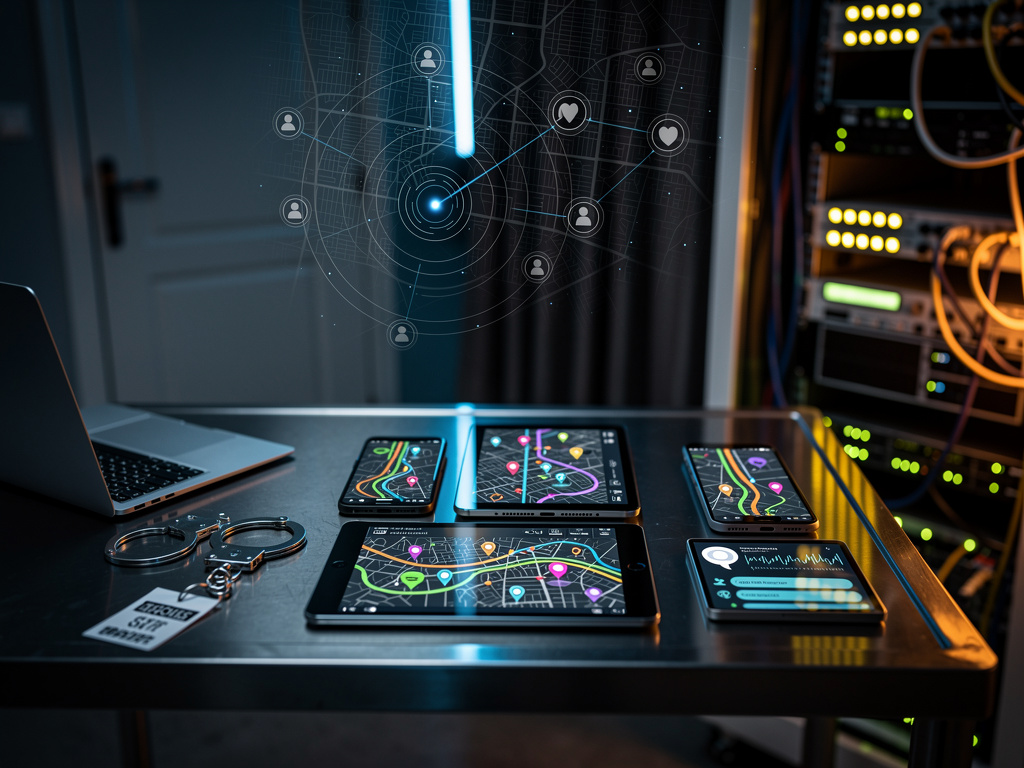
The Pocket-Sized Witness: How Cellphone Data Revolutionized 2025’s Criminal Probes
In the annals of modern forensics, 2025 marked a pivotal shift where the smartphone transcended its role as a communication tool to become an indispensable asset in criminal investigations. Law enforcement agencies worldwide increasingly relied on the trove of data embedded in these devices—location pings, text messages, app usage, and even health metrics—to reconstruct crime scenes and timelines with unprecedented precision. This evolution didn’t just solve cases; it redefined the boundaries between personal privacy and public safety, sparking debates that echoed through courtrooms and legislatures.
Experts like those cited in recent reports have dubbed cellphones “crime scenes in your pocket,” a phrase that captured the essence of their evidentiary power. For instance, in high-profile trials, digital footprints provided irrefutable alibis or, conversely, damning evidence of proximity to crime scenes. As forensic technology advanced, tools for extracting this data became more sophisticated, allowing investigators to bypass encryption in many instances, though not without controversy.
The year saw a surge in cases where cellphone data tipped the scales. From murder mysteries to financial frauds, the information harvested from devices often filled gaps left by traditional evidence like eyewitness accounts or physical traces. This reliance highlighted a broader trend: as society grew more digitally dependent, so too did the methods of solving crimes.
Digital Trails That Cracked the Code
One of the most talked-about examples was the Karen Read trial, where cellphone data played a starring role in piecing together the events surrounding the death of a Boston police officer. Location tracking from Read’s phone, combined with messages and call logs, helped prosecutors build a narrative of her movements on the night in question. According to coverage in Fox News, forensic experts analyzed GPS data to challenge defense claims, turning the device into a silent witness that contradicted verbal testimonies.
Similarly, the revisited Idaho student murders case benefited from enhanced cellphone forensics in 2025. Investigators used advanced triangulation techniques to map suspects’ locations via cell tower data, correlating it with surveillance footage. This integration of digital and physical evidence was detailed in a WebProNews article, which noted how such data contributed to declining crime rates by enabling faster resolutions. The precision of these methods allowed for timelines accurate to the minute, often revealing inconsistencies in suspects’ stories.
Beyond murders, cellphone data proved crucial in white-collar crimes. In IRS criminal investigations throughout October 2025, as reported on the Internal Revenue Service website, mobile records exposed patterns of tax evasion through transaction histories and communication logs. These cases underscored how everyday apps, from banking to ride-sharing, inadvertently create audit trails that investigators can subpoena.
Privacy Alarms in an Era of Constant Connectivity
Yet, this forensic boon came at a cost to individual privacy. Advocacy groups raised alarms about overreach, pointing to instances where data extraction went beyond necessity. In the UK, the Information Commissioner’s Office (ICO) investigated police practices in mobile phone data extraction, highlighting risks to sensitive information like biometric data and location histories. Their findings, available on the ICO website, warned that phones store intimate details reflecting users’ lives, from medical records to political beliefs, potentially exposing innocents to unwarranted scrutiny.
Social media sentiment amplified these concerns. Posts on X from users like privacy advocates decried new laws granting governments broad access to device data, including smartwatches and home devices. One widely shared thread discussed a proposed EU regulation set for October 2025 that could mandate scanning of messages and photos before transmission, effectively nullifying encryption for surveillance purposes. This echoed fears of a surveillance state, with users noting how such measures might erode trust in technology.
In the U.S., debates intensified around cases where cellphone data was pivotal yet contested on Fourth Amendment grounds. Privacy experts argued that warrantless access, even in emergencies, sets dangerous precedents. A Yahoo News piece elaborated on how forensic tools now extract data from locked devices, raising questions about consent and data sovereignty.
Technological Arms Race: Tools and Countermeasures
The technology enabling this data-driven policing evolved rapidly in 2025. Companies developed software capable of cracking into devices without physical access, using cloud backups and remote forensics. This was evident in the Karen Read case, where experts employed proprietary tools to recover deleted messages, as per reports from multiple outlets. Such advancements reduced the time from seizure to analysis, allowing real-time insights during ongoing investigations.
However, criminals adapted too. Awareness of cellphone tracking led to countermeasures like burner phones and encrypted apps, complicating probes. In people-smuggling operations, for example, UK authorities began seizing migrants’ phones under new powers to crack down on traffickers, as covered in a Daily Mail article. This policy aimed to mine data for gang connections but sparked ethical debates about targeting vulnerable populations.
Globally, similar trends emerged. In Kenya, proposed regulations by the Communications Authority required extensive biometric data for SIM card registration, including DNA and retinal scans, as highlighted in X posts from local influencers. This move, intended to curb fraud, illustrated the widening net of data collection in criminal contexts, blending telecom oversight with law enforcement.
Case Studies: From Streets to Cyberspace
Diving deeper into specific 2025 incidents, the Idaho murders resolution relied heavily on cellphone metadata. Investigators cross-referenced app data from victims and suspects, revealing communication patterns that led to arrests. WebProNews emphasized how this digital evidence, combined with traditional forensics, solved what had been a lingering mystery, contributing to a broader drop in unsolved homicides.
Financial crimes also saw innovative uses of cellphone data. California’s Governor Newsom launched a website tracking criminal activities linked to high-profile figures, incorporating data from crypto transactions tied to mobile wallets. As detailed on the Governor of California site, this initiative exposed over $800 million in crypto dealings, with cellphone records providing timestamps and locations for illicit transfers.
In cybersecurity realms, 2025’s ransomware attacks often left digital breadcrumbs on perpetrators’ devices. A December roundup from Digital Forensics Magazine discussed how extracted phone data helped trace supply-chain breaches, with regulators in Europe and India pushing for stricter data-handling protocols to aid investigations.
Balancing Act: Policy Shifts and Future Horizons
Policymakers grappled with these developments, introducing reforms to safeguard privacy while empowering investigators. In the U.S., updates to data privacy laws, including COPPA regulations and CCPA amendments, aimed to address age verification and data breaches, as outlined in a McDermott Will & Emery insight piece looking ahead to 2026. These changes reflected growing awareness of how cellphone data intersects with broader cybersecurity threats.
Internationally, the EU’s push for chat control, as debated on X, proposed mandatory content scanning, potentially transforming phones into proactive surveillance tools. Critics argued this could stifle free expression, while proponents cited successes in child exploitation cases where data extraction prevented further crimes.
Looking forward, industry insiders predict even deeper integration of AI in cellphone forensics. Tools that analyze behavioral patterns from device usage could preempt crimes, but at what cost to civil liberties? The 2025 cases, from Karen Read to IRS probes, serve as harbingers of a future where every ping and swipe might hold evidentiary weight.
Voices from the Field: Expert Insights and Ethical Dilemmas
Forensic specialists interviewed in various reports stressed the ethical tightrope. One expert, quoted in Fox News, likened phones to portable crime scenes, urging balanced warrants to prevent abuse. This sentiment resonated in Computer Weekly’s top police technology stories of 2025, available at Computer Weekly, which highlighted innovations like facial recognition tied to cellphone data for real-time tracking.
Privacy advocates, however, pushed back. X posts from global users illustrated widespread unease, with discussions of location tracking via cell towers and apps painting a picture of pervasive monitoring. In one viral thread, concerns about automatic license plate readers syncing with phone data underscored fears of a panopticon society.
Ultimately, 2025’s reliance on cellphone data illuminated its dual nature: a powerful ally in justice and a potential invader of personal sanctity. As technology marches on, the challenge lies in harnessing its benefits without eroding the freedoms it was meant to enhance. The year’s landmark cases, detailed in sources like the MSN slideshow on MSN, offer a blueprint for navigating this complex terrain, ensuring that the pocket-sized witness serves society equitably.


 WebProNews is an iEntry Publication