
In a world where we send thousands of emails, contracts, invoices, and reports every single day, one question quietly matters more than we think:
How do we make sure our documents stay secure, professional, and unchanged?
Every business professional will answer: the use of PDFs.
Even after decades of new tools, formats, and collaboration platforms, the Portable Document Format (PDF) continues to dominate business communication. Whether you’re sending a legal contract, a financial statement, or a confidential proposal, chances are it’s in PDF format.
But why? Why hasn’t something else replaced it?
What is PDF and Why Businesses Prefer It?
PDF (Portable Document Format) is a file type designed to keep documents looking the same no matter where they’re opened. Unlike Word or Excel files that can lose formatting across devices, PDFs preserve fonts, layouts, and graphics exactly as intended.
Businesses prefer PDF because it’s secure, consistent, and professional. Sensitive files can be password-protected, encrypted, or digitally signed, while contracts, reports, and presentations maintain their structure and branding. Plus, PDFs are universally compatible—whether opened on a laptop, tablet, or phone, they always look polished and reliable.
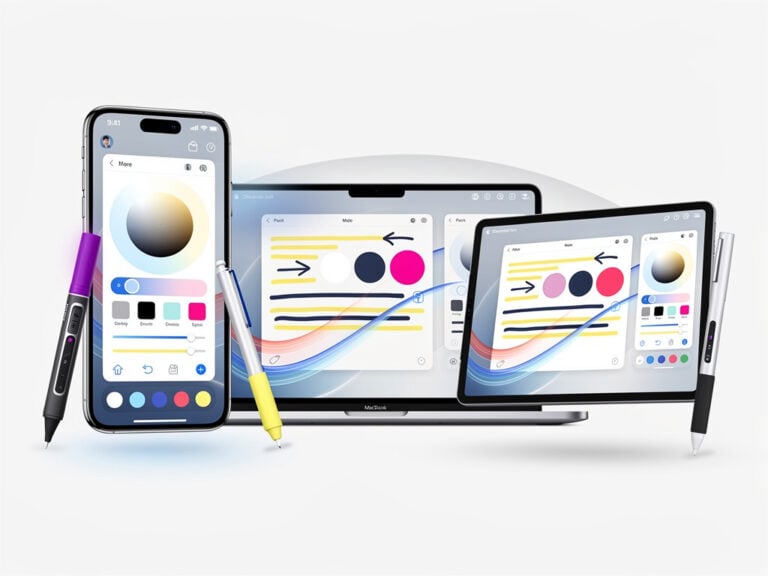
PDF remains the trusted standard for business communication, combining reliability with security and useful features like the ability to highlight PDF text for clarity and teamwork.
The Problem with Other Formats
Word Documents
- Layouts break when opened on different devices.
- Fonts may not be installed, causing messy formatting.
- Easy to edit accidentally, which risks data integrity.
Spreadsheets
- Great for calculations, but not for secure communication.
- Vulnerable to unauthorized changes.
- Difficult to preserve formatting across platforms.
Cloud Links
- Depend on internet access and permissions.
- Links can expire or be revoked.
- Not ideal for archiving or compliance.
Reasons Why PDF Is Still Used for Secure Business Communication
1. Universally Accessible
One of the biggest strengths of PDF is its universality. Whether you’re opening a file on Windows, macOS, Linux, or even a mobile device, the formatting stays intact. No weird font changes, no broken layouts—just a clean, consistent document.
For businesses, this means:
- Contracts look the same for all parties.
- Reports maintain their structure across devices.
- Presentations don’t lose formatting when shared internationally.
In short, PDF eliminates the “it looks different on my computer” problem.
2. Security You Can Trust
Business communication often involves sensitive information—financial data, client details, or intellectual property. PDF offers strong security features that make it ideal for protecting this information:
- Password protection to restrict access.
- Encryption to safeguard data during transfer.
- Digital signatures to verify authenticity and prevent tampering.
This is why legal teams, financial institutions, and government agencies rely on PDF—it’s not just convenient, it’s secure by design.
3. Compliance and Professional Standards
In industries where compliance is non-negotiable (think healthcare, finance, or law), PDF is the recognized standard. It supports:
- Archiving standards (PDF/A) for long-term storage.
- Accessibility compliance (PDF/UA) for inclusive communication.
- Metadata embedding for audit trails and record-keeping.
For businesses, this means peace of mind—documents aren’t just secure, they’re also legally and professionally compliant.
4. Preserves Formatting and Branding
Imagine sending a proposal to a client and having your carefully designed layout fall apart when they open it. That’s a nightmare for brand consistency. PDF ensures:
- Fonts, colors, and logos stay exactly as intended.
- Charts, tables, and graphics remain aligned.
- Interactive elements (links, forms) function properly.
This consistency reinforces professionalism and builds trust with clients and partners.
5. Easy Integration with Modern Workflows
PDF isn’t stuck in the past—it has evolved with business needs. Today, PDFs can:
- Be annotated for collaboration.
- Include interactive forms for data collection.
- Integrate with cloud platforms for seamless sharing.
- Work with AI-powered tools for quick summarization and search.
This makes PDF not just a static format, but a dynamic part of digital workflows.
6. Future-Proof Reliability
Formats come and go, but PDF has proven its staying power. Businesses know that a PDF created today will still be readable years from now. That’s critical for:
- Long-term contracts.
- Historical records.
- Compliance archives.
In a world where technology changes rapidly, PDF offers future-proof reliability.
Final Words
PDF isn’t flashy, but it’s essential for better and secure business communication. It combines accessibility, security, compliance, and professionalism in one format—making it the gold standard for secure business communication.
As businesses embrace AI, cloud collaboration, and digital transformation, PDF continues to adapt while staying true to its core strengths. That’s why, even in 2026, when someone says “send me the document,” the safest bet is still a PDF.



 WebProNews is an iEntry Publication