
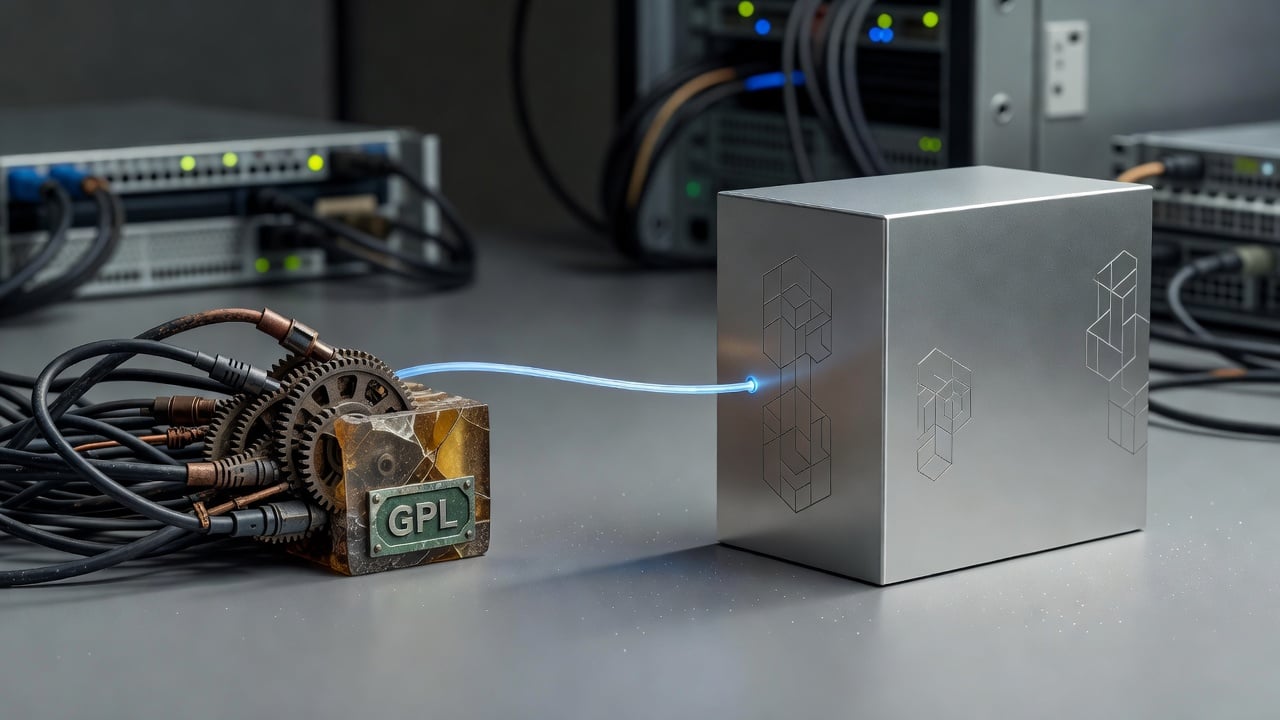
FreeBSD developers just struck the final blow against lingering GNU code in their base system. The change came quietly last week. It closes a chapter that stretches back more than three decades.
As of a recent commit in the development tree, the last piece of software licensed under the GNU General Public License has vanished from FreeBSD’s core. That piece was the venerable dialog utility. Its removal means the entire GNU subtree in the source tree can now go. No more GPL code remains in the base system. Phoronix first reported the development.
But this isn’t some sudden purge. The transition had been years in the making. FreeBSD’s installer switched to a native alternative called bsddialog some time ago. That tool replicates dialog’s text-based user interface capabilities yet carries a permissive BSD license. Once the installer no longer needed the GNU version, one final holdout lingered. The dpv progress viewer still depended on it. When dpv itself was disabled in the build, the path opened for complete removal.
A review ticket for retiring dialog opened back in February. It gathered support and merged smoothly into what will become FreeBSD 16.0. The specific commit that excised the GNU subtree carries the hash 134a4c78d070f8c4ea43a060a7ae28d22ac39558. With that step done, the project stands alone among major BSD variants in having fully purged GPL components from its base. FOSS Force noted the significance in its coverage of the shift.
Why does any of this matter? Licensing has long divided the open-source world. The GPL demands that derivative works remain open and share alike. BSD-style licenses impose far fewer restrictions. They let companies take the code, modify it, and ship closed-source products without obligation to release changes. Apple built macOS on a BSD foundation. Networking giants such as Juniper and Citrix have incorporated FreeBSD elements into their proprietary systems. NetApp did the same for storage appliances. A base system free of GPL code removes any legal friction for those sorts of integrations.
FreeBSD’s relationship with GNU tools dates to the earliest days. In the late 1980s and early 1990s, the project drew heavily from BSD releases that included GCC, GNU make, and other utilities. Those choices accelerated development when options were scarce. Over time, however, the community replaced many of them. Clang and LLVM supplanted GCC for compilation. Other native tools filled gaps. Dialog represented one of the final dependencies.
The move aligns with a broader pattern. OpenBSD pursued a similar path years earlier, emphasizing code audits and minimal external dependencies. NetBSD has also favored clean licensing. Yet FreeBSD’s scale and corporate adoption make its transition particularly noteworthy. Enterprises that embed FreeBSD in appliances or cloud infrastructure can now proceed without auditing for GPL obligations in the base.
Of course, the purge applies only to the base system. Ports and packages still include plenty of GPL-licensed software. The Linux kernel remains GPL. Users who compile from source or install third-party tools will encounter copyleft code. This change affects only the foundational operating system distributed by the project itself.
Release timing adds context. FreeBSD 15.1 arrived in June 2026, according to the official news flash. The project lists 15.1 as the most recent production release. Version 16.0 remains in active development. Current estimates point to a arrival in late 2027. That gives time for further polishing and testing. The FreeBSD Project’s own news page tracks these milestones.
Reaction on X, formerly Twitter, mixed excitement with nostalgia. One post from the Slashdot account simply relayed the news and drew thousands of impressions. Hacker News aggregators picked it up quickly. Some users recalled that early BSD distributions were compiled with GCC. Others debated whether the change truly enhances freedom or merely trades one ideology for another. The BSD camp generally views fewer restrictions as the purer form of liberty.
Technical users will notice little immediate difference. Dialog and bsddialog present similar interfaces. Scripts that called the old binary may need minor adjustment, but the project has provided migration guidance. The real impact sits at the licensing and distribution level. Downstream projects that fork FreeBSD can now claim a completely BSD-licensed core if they avoid GPL ports.
And the timing feels symbolic. As debates over software licensing intensify in cloud and AI eras, FreeBSD doubles down on permissiveness. Companies building large language model infrastructure or edge devices often prefer licenses that let them keep modifications private. This change removes one more barrier.
Still, not everyone cheers. Some open-source purists argue that the GPL better protects user freedoms by guaranteeing access to source. They see the removal as a step away from that guarantee. FreeBSD contributors counter that their license grants freedom to do what one wishes with the code, including building proprietary products. Both sides have valid points. The split has defined the community for decades.
Looking ahead, FreeBSD 16 will bring other changes. Improved hardware support, updated networking, and continued focus on security and performance top the list. Yet the GPL purge may prove the most discussed. It marks the end of an era when GNU tools formed an essential part of BSD development.
The project didn’t rush the decision. Developers maintained the GNU dialog implementation long after alternatives existed. They waited until every dependency cleared. That patience reflects a careful approach to change. Disruptions to users stay minimal. Compatibility holds where possible.
In the end, FreeBSD 16 delivers a cleaner slate. Its base system now carries a uniform permissive license. Distributors face fewer compliance headaches. Integrators gain flexibility. And the community can point to a codebase shaped entirely by its own licensing philosophy. The last GNU subtree is gone. What comes next will be built on foundations the project fully controls.


 WebProNews is an iEntry Publication