
Developers gathered in Spain this week for GUADEC 2026. They heard fresh details on GNOME OS. Abderrahim Kitouni, a member of the GNOME Release Team and GNOME OS maintainer, walked through the project’s progress. The presentation highlighted one practical addition. It addresses a real pain point for users of image-based distributions.
From Unbootable States to Quick Recovery
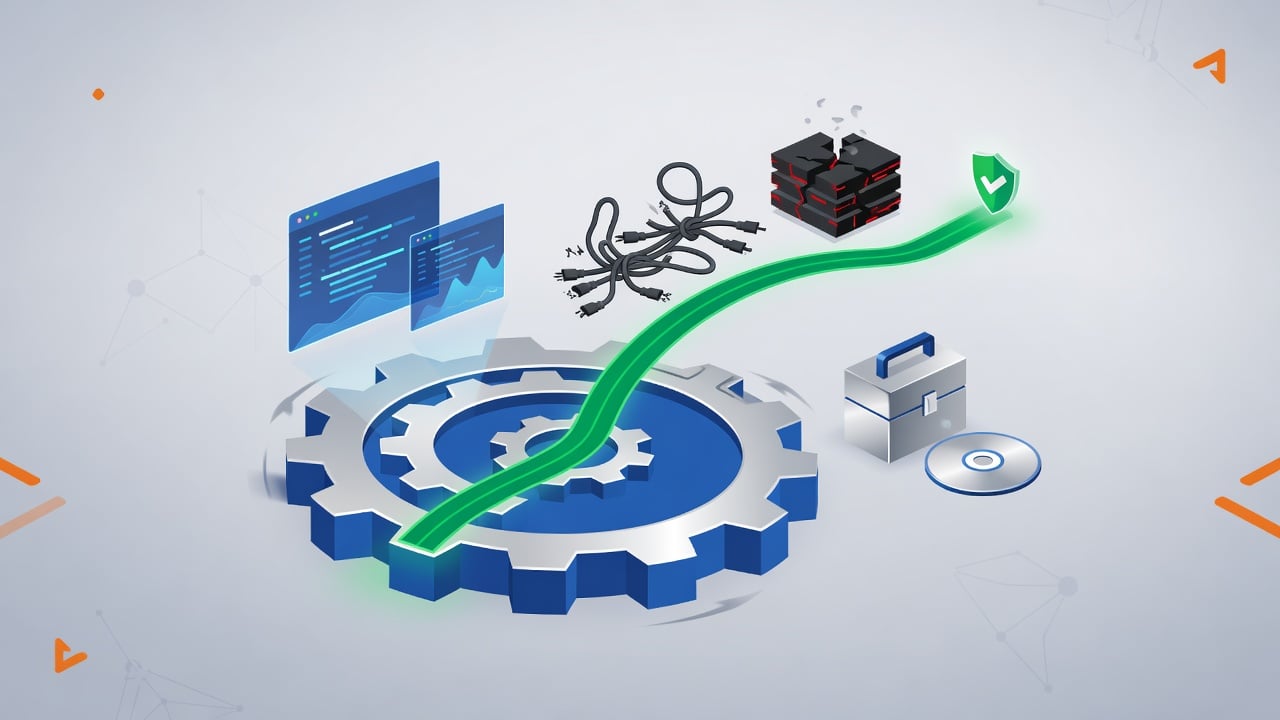
GNOME OS depends on systemd-sysupdate for handling updates. It layers on systemd-sysext for system extension images. That combination delivers a clean, atomic experience. But problems arise. A faulty NVIDIA driver can block the boot process. Bad system extensions create the same headache. Enter safe mode. The new feature skips loading all systemd-sysexts entirely. The system boots anyway. Users regain access. They can then diagnose and fix the offending component.
Short and direct. This isn’t a flashy marketing bullet point. It solves an actual failure scenario that has frustrated testers and developers alike. The mechanism keeps the core OS intact while isolating risky extensions. And the timing matters. Immutable Linux approaches continue gaining traction across distributions. Reliability becomes non-negotiable. A simple recovery path like this one raises the bar for what users should expect.
The idea surfaced during Kitouni’s update at the annual conference. Phoronix reported the details straight from the event. Attendees saw how safe mode integrates with the existing bootloader flow. No complex reconfiguration needed. Just a designated boot option that bypasses the extension layer. Simple. Effective. The sort of pragmatic engineering that often gets overlooked until something breaks.
Yet the safe-mode addition sits inside a broader set of improvements. Mobile device support received attention. Work continues to run GNOME OS on Android hardware. Codec handling grew more reliable. Printing functions gained stability. The project added KMSCON for console management, firewalld for firewall duties, and Thermald for thermal regulation. Each piece contributes to a more complete daily driver. But the safe-mode change stands out for its focus on resilience.
Discussions on X echoed the same theme. Recent posts from @phoronix and @FOSSForce pointed back to the same Phoronix coverage, noting how the feature improves overall system reliability. One post from @azattelevision on July 19, 2026, described it as “a big step for reliable Linux.” The sentiment aligns with what insiders have long wanted: fewer rescue USB sticks and more built-in recovery options.
Kitouni’s presentation included a slide deck that expands on these points. The PDF outlines the current state of the OS and future priorities. It reinforces that GNOME OS serves first as a development and testing platform. That focus explains the emphasis on stability. Developers need a dependable base. They can’t afford repeated boot loops from experimental extensions. Safe mode delivers exactly that insurance policy.
Other outlets picked up the story quickly. Coverage stayed close to the original facts. No one invented new capabilities. The reports stayed grounded in the GUADEC session. This restraint keeps the conversation productive. It avoids hype around features that still need real-world testing.
Look closer at the technical layer. Systemd-sysext merges extension images at runtime. The approach offers flexibility. It also creates risk if an image contains incompatible code. Safe mode neutralizes that risk during boot. The system loads a minimal, trusted configuration. From there administrators can inspect logs, remove bad extensions, or roll back changes. The process feels familiar to anyone who has used recovery modes on other operating systems. The difference lies in its tight integration with the immutable model.
GNOME OS isn’t trying to replace every Linux distribution. Its role centers on advancing the desktop environment and providing a reference platform. Still, lessons from this project spread. Other immutable efforts watch closely. They see how safe mode handles edge cases without sacrificing the atomic-update benefits. That balance proves hard to strike. Many projects talk about reliability. Fewer ship concrete mechanisms to deliver it when things go wrong.
The presentation video, available through the conference site, lets viewers hear Kitouni explain the rationale in his own words. He describes the frustration of unbootable systems and the straightforward fix now available. His tone stays measured. No exaggeration. Just clear recognition that this feature fills a gap.
Recent web searches turned up supporting coverage from the past day. A July 18, 2026, post on FOSS Force highlighted the systemd-sysext skip behavior. It matches the Phoronix account and adds context around immutable Linux trends. Another note from Azat TV on July 19 emphasized the bootloader improvements and their impact on driver-related failures. These reports reinforce the same core message without duplicating links.
Implementation details remain straightforward. The bootloader detects the safe-mode flag. It adjusts the systemd unit configuration accordingly. Extensions stay on disk but stay unloaded. The OS boots to a functional desktop. From that point users apply fixes at their own pace. The design avoids data loss and minimizes downtime. For enterprise adopters or individual enthusiasts running daily builds, that matters.
Challenges remain. Safe mode solves one class of failures. Others could surface as the OS evolves. Mobile support brings its own hardware quirks. Android device compatibility will require ongoing tweaks. Codec and printing improvements need validation across distributions. Yet the addition of safe mode signals a mature attitude toward reliability. The team identified a weakness and addressed it directly.
Insiders following GNOME development see this as consistent with recent patterns. Focus stays on practical outcomes over theoretical purity. The project measures progress by how well the OS supports real workflows. A safe boot path fits that philosophy perfectly. It doesn’t promise perfection. It offers a reliable way to recover when imperfection appears.
Expect further refinements as feedback arrives. Early testers will push the boundaries. They will install questionable extensions on purpose. They will report how the recovery flow performs under stress. Those results will shape the next iteration. The current version already sets a useful baseline. Boot failures no longer need to halt all progress.
The GUADEC audience responded positively. Discussions after the talk touched on similar needs in other projects. Some compared it to recovery features in Flatpak or Snap. Others noted parallels with recovery partitions on consumer hardware. The consensus? This kind of thinking deserves wider adoption. Immutable systems bring advantages. They also demand new approaches to troubleshooting. Safe mode provides one practical answer.


 WebProNews is an iEntry Publication