
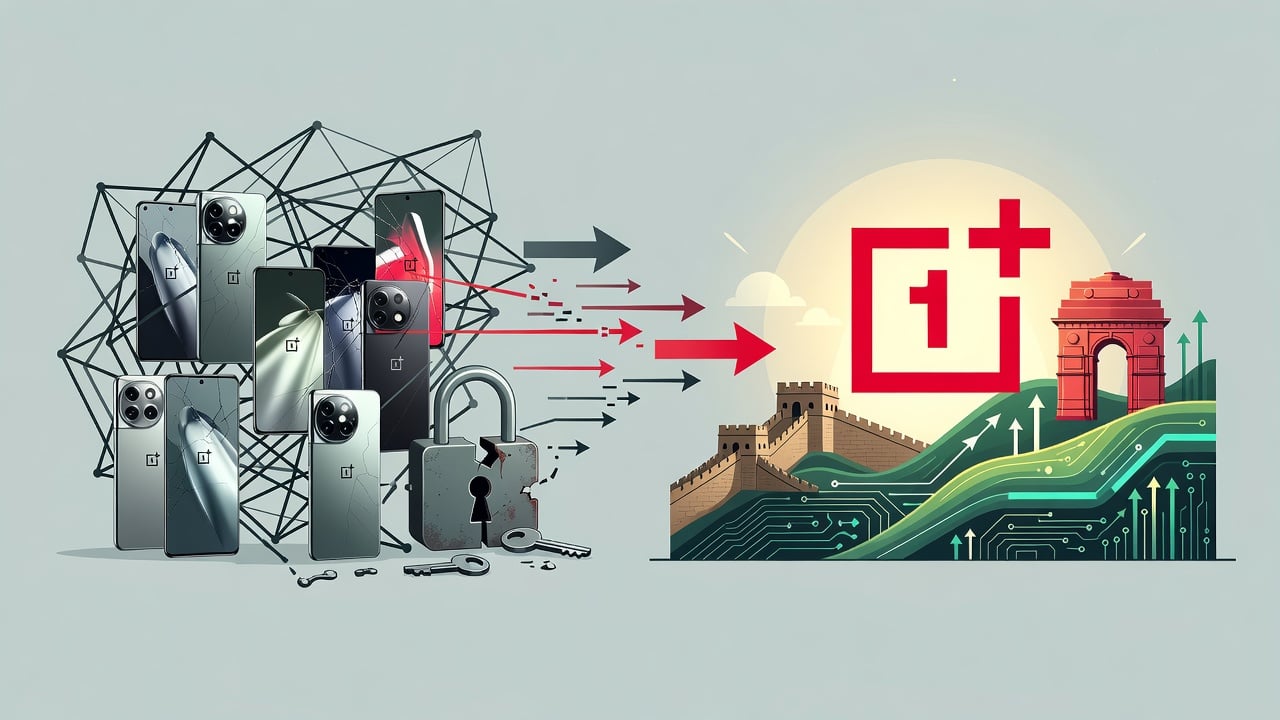
OnePlus once promised users they would never settle. That slogan carried the brand from scrappy startup to a favorite among gadget fans who prized fast software, clean design and flagship specs without the flagship price. But now the company has confirmed it will stop launching new phones in the United States and Europe. The shift marks a stark turn for a name that helped define the Android enthusiast scene for more than a decade.
Reports surfaced earlier this week that the exit could come as soon as this week. Bloomberg first detailed the move as part of a broader restructuring at parent company Oppo. OnePlus, fully owned by Oppo since 2014, will limit future devices largely to China and India. Existing customers in the West can expect continued software updates and support. New flagships will not arrive.
TechRadar quickly followed with an exclusive briefing from company leaders. “It wasn’t a decision made in a rush,” said Shuang Chen of Oppo. “This was neither a case of Oppo instructing OnePlus nor a unilateral decision by OnePlus. Being a responsible brand means knowing when to go all in and when to make a choice.” The words aimed to frame the pullback as thoughtful strategy rather than panic.
Yet the timing feels abrupt to many. OnePlus had just released the OnePlus 15 globally in late 2025. In the US that launch faced delays tied to FCC certification and a brief government shutdown. Sales of that model may represent one of the last major releases in those markets. Stocks of current devices will continue to sell while supplies last. After that silence.
Competition played a central role. Samsung and Apple dominate the premium segment. Chinese rivals such as Xiaomi and Honor have flooded the midrange with aggressive pricing. Carrier relationships in the US proved especially tough to maintain. Add a global shortage of RAM and other components and the math turned sour. Shuang Chen described a pincer movement that trapped the brand between shrinking enthusiast demand and rising operational costs.
Legal troubles added pressure. An ongoing patent dispute with Apple has complicated imports and sales in key regions. Industry watchers on X noted the lawsuit alongside supply chain strains as factors that made staying untenable. One post from tech analyst Lance Ulanoff captured the sentiment shared by many longtime followers: the brand delivered inspired features on powerful handsets and will be missed.
Software changes accompany the exit. OxygenOS, long praised for its near-stock Android experience with useful tweaks, will give way to ColorOS on existing devices in North America and Europe over the coming months. James Paterson, Oppo Europe senior PR manager, expressed confidence that users would embrace the new interface. “We’re confident as ColorOS rolls out to OnePlus devices in North America and Europe in the coming months, users will love it just as they’ve loved OxygenOS.” Some owners may attempt to revert. Future security patches could become uncertain if they do.
Elvis Zhou, CEO of Oppo Europe, addressed customer concerns directly. “Yes, it is regretful that we won’t launch new products in North America, but we will ensure that all user rights and interests, including the product updates and after-sales services and relevant services, will be fully guaranteed.” He added that the company would keep selling remaining inventory to meet lingering demand.
Oppo itself plans to expand its footprint in Europe. Zhou said the company would strengthen teams, adjust business strategies and focus on flagship models with strong imaging capabilities. Devices such as the Find X9 Ultra and Reno 16 series have already launched there. The parent brand appears poised to absorb some of the space OnePlus once occupied. In the US the picture looks different. Oppo has no immediate plans to push phones aggressively in a market dominated by two giants and wary of Chinese suppliers.
Further changes loom. Android 17 is expected to mark the end of OxygenOS development. OnePlus devices that receive the update will run ColorOS going forward. Realme, another Oppo subsidiary, will exit the Chinese market but continue overseas. The corporate reshuffle suggests BBK Electronics, the larger group that includes Oppo, Vivo, OnePlus and Realme, is sharpening focus amid slowing global growth and geopolitical friction.
Analysts see the move as pragmatic. Android Authority attended the same briefing and reported OnePlus executives describing the decision as part of a broader global product strategy. “Users are at the heart of all we do,” the company stated. “The right brand does the right thing in the right market.” The language echoes classic corporate repositioning. Translation: resources will flow where returns look strongest.
Industry reaction on X mixed sadness with acceptance. One developer highlighted the loss for the open-source community. OnePlus phones offered unlockable bootloaders, a rarity as manufacturers tighten security. Another user predicted the shift could push more tinkerers toward Linux-based mobile operating systems, though those platforms still lack polish for everyday use.
Customers now face choices. CNET noted that Nothing, Google Pixel and even Oppo’s own flagships could fill the gap. Xiaomi and Honor devices already attract former OnePlus buyers seeking value. Yet the unique mix of speedy updates, clean software and community engagement that defined the brand will not be easy to replace.
Support commitments remain firm. Both PCMag and the original TechRadar report emphasize that warranties, repairs and security updates will continue unchanged. That assurance matters for users who bought devices expecting four or five years of support. How long that promise holds without new product revenue is a question executives left unanswered.
The decision also reflects wider industry trends. Smartphone sales have plateaued in developed markets. Growth now sits in emerging regions where price sensitivity runs high and brand loyalty forms around local preferences. China remains OnePlus’s stronghold. India, where the brand built a strong following, may see operations continue longer before any potential wind-down in 2027, according to multiple reports including India Today.
So what happens to the Never Settle ethos? It retreats to markets where the company believes it can still compete on its own terms. In the US and Europe the brand that started with an invite-only sales model and forum-driven development now steps back. Fans who stuck with OnePlus through its mergers and software evolution feel the departure most acutely.
Short term the impact looks contained. No new phones simply means buyers turn elsewhere. Long term the loss of a distinctive voice in Android could accelerate consolidation. Fewer independent brands. More devices running near-identical software skinned by the same parent groups. The enthusiast segment shrinks further.
OnePlus leaders insist this is not the end of the company. Operations continue in Asia. Innovation may persist in those regions. But for American and European consumers the pipeline of fresh OnePlus hardware has run dry. The brand that once disrupted the market with bold claims now makes a quieter exit. And in boardrooms across Shenzhen the calculators likely confirm the numbers add up.
Whether Oppo can translate its imaging-focused flagships into similar loyalty remains to be seen. For now the spotlight shifts. Tech enthusiasts hunt for the next underdog. OnePlus, at least in the West, becomes part of Android history rather than its future.


 WebProNews is an iEntry Publication