
Alvaro Puig learned to drive the old way. His father insisted on it. In the early 1990s the family BMW demanded a firm hand on the shifter and a steady foot on the clutch. Puig mastered the dance. Millions of Americans once did the same. Those days now feel distant.
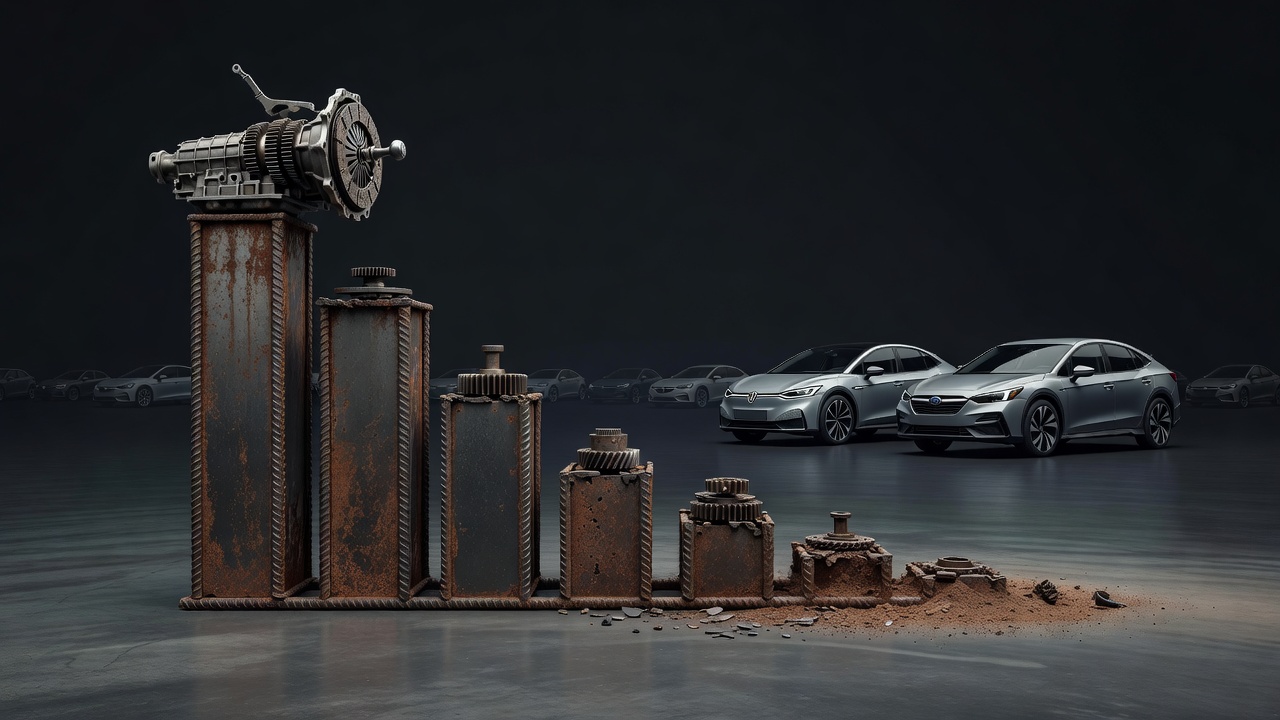
Last year just 0.6 percent of new vehicles sold in the U.S. came with a manual transmission. The figure comes from preliminary government data cited by The Washington Post. Compare that to 1980. Back then 34.6 percent of cars rolled out with three pedals. The collapse didn’t happen overnight. It accelerated. And signs point to an endpoint few want to admit.
Buyers changed. So did the cars. Automakers chased efficiency and volume. They found both in automatic gearboxes that shift faster than any human hand. Today’s typical new vehicle boasts seven speeds. Computers handle the work. Drivers gain smoothness and slightly better mileage. Manuals can’t match the math.
Sport sedans once kept the stick alive. Their buyers craved control. That segment shrank. SUVs and crossovers took over. These vehicles almost always arrive with automatics. The shift in taste proved decisive. It left enthusiasts with fewer choices each year.
Electric vehicles delivered the next blow. They need no gearbox at all. One-speed reducers do the job. Autonomous systems add another complication. Why build a manual option when software will soon steer everything? Carmakers saw the writing on the wall.
Subaru built its reputation on rally-bred manuals. The brand dropped the option from the Crosstrek in 2023. It had already removed it from the Legacy, Outback and Forester. Toyota, Honda and BMW trimmed their manual lineups too. The list of available models shrank to roughly two dozen for 2026. Motor1 tallied them recently. The selection includes hot hatches, a few sports cars, one pickup and some expensive exotics. Not much for a nation once defined by its love of the open road.
Volkswagen will end its manual era in North America after 2026. The Jetta GLI carries the final torch. After that the company switches entirely to dual-clutch automatics. Reports from MotorTrend confirm the move. The decision reflects broader pressure to meet emissions rules and fleet averages. Manuals simply don’t help.
Yet some brands resist. Ford stands out. Its CEO Jim Farley drew a line. “Out of our cold, dead hands will we not have a manual Mustang,” he said earlier this year. The quote, carried in the original Washington Post reporting, captures a stubborn corner of the industry. Enthusiasts cheered. But one model can’t prop up an entire category.
Knowledge itself is fading. Only 60 percent of Americans say they know how to drive a stick. The number comes from a survey by auto parts retailer AmericanMuscle. Baby boomers score 83 percent. Gen Z lands at 39 percent. Younger drivers grew up with automatics and touchscreens. The skill feels optional. Many view it as a party trick rather than a necessity.
That gap creates practical problems. Parents hesitate to buy manuals for teens. Couples worry one partner can’t drive the family car. Rental fleets avoid them entirely. The feedback loop hurts demand further. Fewer manuals on the road means fewer opportunities to learn. The art slips away.
Europe tells a similar story, though the decline started from a higher base. Manuals accounted for 91 percent of registrations in major markets in 2001. By 2024 the share had fallen to 29 percent. Data from industry analyst JATO Dynamics tracks the change. Even there, where fuel prices and driving culture once favored the stick, automatics gained ground.
Recent coverage adds fresh detail. GearJunkie published a full list of 2026 manual offerings in February. The tally reached 29 models, down from 32 the prior year. Four ultra-expensive cars inflated the count. Strip those away and the everyday choices look even thinner. The Toyota Tacoma remains the lone pickup with a stick. Jeep Wrangler keeps the option in some trims. Porsche offers it on several sports cars. The rest feel like holdouts.
Another report from DUB Magazine in January put the number at 24. The variance depends on how journalists classify limited editions and carryover models. Either way the direction is clear. Each model year brings more attrition. Some nameplates lose the option quietly. Others disappear entirely.
Enthusiasts push back. Online forums buzz with calls to save the manuals. A subset of buyers still chooses them at high rates when available. BMW M3 and M4 owners pick the stick half the time in certain configurations. Mazda Miata fans remain loyal. These pockets of passion keep a few nameplates alive. They don’t move the overall market.
Cost plays a role too. Adding a manual option requires separate engineering, inventory and training. Automakers weigh that expense against tiny sales volumes. Most decide the investment no longer pays. They standardize on automatics that satisfy the majority while meeting regulatory hurdles.
Performance has flipped the script as well. Modern dual-clutch transmissions shift in milliseconds. They outperform all but the most skilled drivers. Track times improve. Fuel economy rises. Drivers who once swore by the feel of a manual now admit the machines do it better. The emotional argument weakens when lap records fall to robots.
Still, something gets lost. The satisfaction of matching revs on a downshift. The connection between driver and machine. The simple act of coordinating hands and feet. These experiences don’t show up in efficiency charts. They matter to a shrinking group. That group now fights a rearguard action.
Industry watchers expect further contraction. By 2030 new manuals could become rare exceptions. Electric powertrains will dominate volume segments. Hybrids favor automatics. Even performance brands may standardize on paddles and software. The holdouts will charge premium prices for the privilege of rowing gears.
Puig, the driver who learned in his father’s BMW, now watches the change with mixed feelings. He understands the logic. He misses the engagement. Many drivers share that split view. They accept the progress yet mourn the loss.
The numbers don’t lie. Sales have cratered. Models have vanished. Skills have eroded. The stick shift isn’t gone yet. But its time grows short. A generation from now the question may not be whether Americans drive manuals. It may be whether they remember how.


 WebProNews is an iEntry Publication