
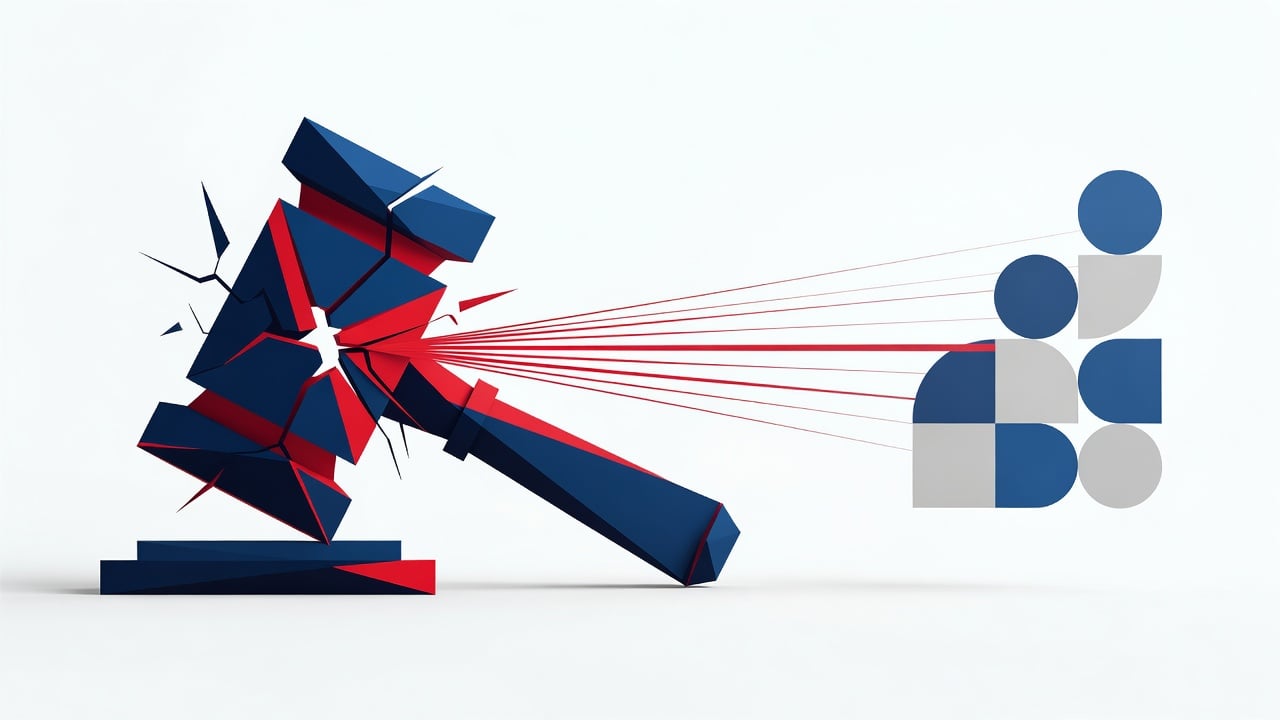
Elon Musk’s X has reached an abrupt end to a bruising three-year copyright fight with major music publishers. Court filings made public on July 17, 2026, show both sides agreed to dismiss their dueling lawsuits with prejudice. No financial terms surfaced. No licensing deal was announced. The platform once known as Twitter and the publishers simply walked away.
The clash began in 2023. The National Music Publishers’ Association filed suit on behalf of 17 publishers. They accused the platform of allowing unchecked infringement on roughly 1,700 songs. Damages topped $250 million. X stood out. It was one of the few major social networks without any music licensing agreement in place. Engadget first reported the quiet resolution.
But X did not stay silent. Nearly three years later the company countersued. It alleged the publishers had formed an anticompetitive front. Their goal, X claimed, was to force the platform into paying inflated rates. The legal papers painted a picture of coordinated pressure rather than good-faith negotiation. And the stakes were high. Music remains a vital driver of engagement on social media.
Recent coverage adds fresh detail. The New York Times noted the publishers included heavyweights such as Universal Music Publishing Group and Sony Music Publishing. X, meanwhile, had received nearly 500,000 takedown notices in the preceding years. Those numbers underscored the scale of the alleged problem. Yet the platform argued it could not be held liable for every user upload.
Just last month X had asked the court to throw out the publishers’ case. It insisted the claims lacked merit. Then came the joint stipulations of dismissal. Both the Texas and Tennessee federal cases ended the same day. Each filing stated who would cover legal fees. Nothing more. Observers on X reacted quickly. One post from music executive @ulises_johnson_ captured the mood. “The dismissal filings say who pays the lawyers. They still don’t say whether music on X is licensed.”
The silence from both camps is striking. Neither Musk nor the NMPA has issued a statement. Music Business Worldwide highlighted the unusual truce. Industry insiders speculate the parties may have struck a private licensing arrangement. Others suggest mounting legal costs simply outweighed any likely payout. Whatever the reason, the dismissals are permanent. No refiling is possible.
This outcome carries implications far beyond one platform. Social media companies have watched the case closely. TikTok, Instagram and YouTube all maintain broad licensing pacts with publishers. X’s prolonged standoff had raised questions about whether a hands-off moderation policy could survive modern copyright demands. The quiet exit may ease that tension. Or it may simply postpone the next round of negotiations.
Copyright experts point to a broader pattern. Platforms and rights holders have clashed repeatedly since the rise of user-generated content. Earlier battles involving Viacom and YouTube set precedents that still echo today. In those cases courts ultimately sided with the technology firms on safe-harbor grounds. Yet the music industry has grown more aggressive. The NMPA’s suit against X followed similar actions aimed at other services.
X’s counterclaim introduced a new twist. By accusing publishers of collusion the company tried to flip the script. It sought to portray itself as the victim of an industry cartel. Legal analysts questioned whether that strategy would succeed. Antitrust claims against collective licensing bodies have a mixed record. Still, the mere filing bought X time. It also fueled months of public debate about fair compensation for songwriters.
Now that debate moves behind closed doors. Digital Music News reported the end of hostilities without revealing new terms. The article quoted sources close to the talks who described the settlement as pragmatic. Both sides, these people said, recognized the difficulty of proving damages at trial. Juries often struggle with the technicalities of algorithmic content moderation. And expert testimony on licensing rates can stretch into seven figures in legal fees alone.
So what changes for users? Short answer. Not much yet. Long-form videos and audio clips continue to appear on X. Some still carry unlicensed music. The platform’s content-moderation tools have improved since Musk’s takeover. Automated filters now flag more potential infringements. But without a public licensing deal questions linger about long-term compliance.
Publishers, for their part, have signaled a desire to bring every major platform under contract. The NMPA has pursued similar agreements with newer services such as ByteDance’s TikTok successors. A deal with X would complete the picture. Yet the lack of disclosure leaves open the possibility that the parties simply agreed to disagree. They dismissed the cases. They paid their own lawyers. And they left the market to sort out the rest.
Wall Street has taken notice. Shares of major music conglomerates barely moved on the news. Investors appear to view the resolution as neutral. X itself remains privately held. Its valuation swings with advertising revenue and user growth more than with legal outcomes. Still, the removal of a $250 million contingent liability cannot hurt. It frees management to focus on product initiatives such as video and payments.
Legal observers expect more such quiet resolutions. The cost of protracted copyright litigation has risen sharply. Discovery alone can consume years. And courts have grown impatient with technology cases that turn on rapidly changing algorithms. A settlement, even one wrapped in mutual dismissal, offers certainty. It also avoids the risk of a precedent that could harm either side in future disputes.
One post on X summed it up neatly. From Missouri Lawyers Media: “X Corp and major music publishers including Universal Music Group and Sony Music have agreed to dismiss their copyright infringement lawsuits in federal courts.” Simple. Direct. And devoid of the drama that once surrounded the feud. The legal war is over. The business conversation continues. Behind the scenes. Out of the spotlight. With no victory declarations. Just the quiet click of case files closing.


 WebProNews is an iEntry Publication