
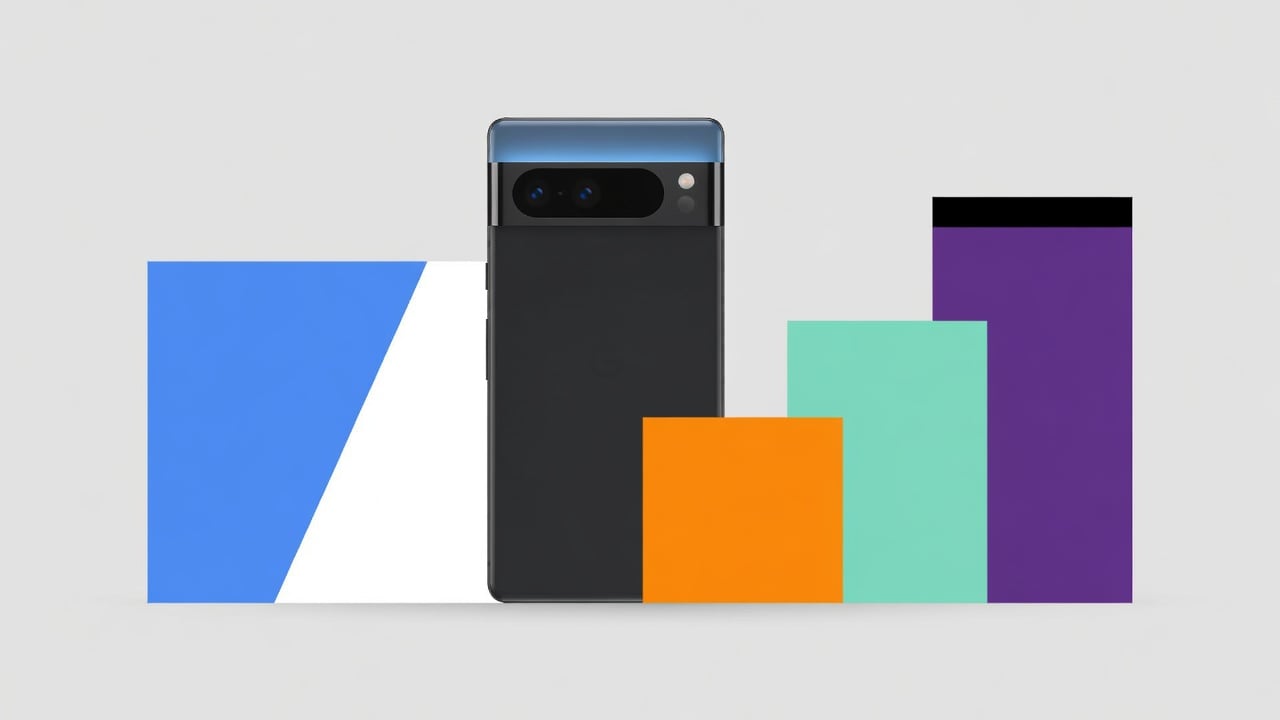
Google has set the date. On August 12 the company will gather in New York to pull back the curtain on the Pixel 11 family. Yet the phones have already spilled most of their secrets. An accidental Amazon listing, supply-chain photos and targeted leaks from reliable voices have painted a picture that is both familiar and quietly ambitious. The handsets look a lot like their predecessors. The sticker shock may not.
Start with the basics. The base Pixel 11 drops the 128-gigabyte tier entirely. Shoppers will choose between 256 and 512 gigabytes. That shift alone lifts the entry price to $899, according to Android Central. The Pro and Pro XL follow the same pattern, starting at $1,099 and $1,299 respectively for the 256-gigabyte models. The Pro Fold climbs to $1,899. Google has not confirmed the figures. The retailer’s premature product pages, however, match pricing patterns reported by CNET just days ago.
Why the increase? More storage at every level and a jump in base RAM. The standard Pixel 11 now ships with 12 gigabytes instead of eight. Pro models offer 12 or 16 gigabytes depending on capacity. Those upgrades reflect the heavier AI workload Google plans to run locally. They also erode the price advantage the Pixel line once held against Apple and Samsung flagships.
Design remains a deliberate echo of the Pixel 10. Flat edges. Minimal bezels. The signature camera bar stretches across the back, now rendered in uniform black glass. A new detail has surfaced in teaser footage and early renders: a color-shifting orb embedded in that bar. Industry watchers call it Pixel Glow. When the phone lies face-down the orb pulses with light to signal notifications or AI alerts. Digital Trends noted the feature first appeared in Android 17 betas. The effect looks subtle. Whether it proves useful or merely decorative will be clear only after hands-on time.
Color options lean playful. The standard model arrives in Frost, Pistachio, Hibiscus and Obsidian, according to the Amazon leak cited by Android Central. Pro variants stick to more restrained Canyon and Obsidian finishes while the Fold adds an Olive tone. Earlier supply-chain reports mentioned Pine, a deep green, for the Fold. One X post from tech journalist @WIONews highlighted the redesigned camera layout on the Pro Fold alongside that Pine shade. Fresh details keep arriving.
Under the hood the Tensor G6 takes center stage. Built on a 2-nanometer process, the chip promises better efficiency and cooler operation than the G5. Google has swapped the modem from Samsung’s Exynos to MediaTek’s M90 solution. Signal complaints plagued earlier Pixels. The new radio could quiet them. Battery capacities rise modestly: 4,985 milliamp-hours on the base model, 5,115 on the Pro XL. Real-world endurance will hinge on how aggressively the Tensor manages power during AI tasks.
Cameras follow the now-familiar formula with one notable bump. The standard Pixel 11 upgrades its main sensor to 50 megapixels from 48. Processing remains the star. Google’s computational photography, sharpened by on-device Gemini models, should deliver stronger low-light performance and more natural colors. The front camera holds at 13 megapixels across the range. No radical hardware reinvention here. The software layer carries the weight.
Software headlines center on deeper Gemini integration. Features once limited to the cloud now run locally thanks to the faster chip and larger RAM. Expect expanded Magic Editor tools, real-time translation overlays and a more proactive assistant that anticipates needs rather than waiting for commands. Exact names and capabilities stay under wraps until the August event. Yet the pattern is obvious. Google wants the Pixel 11 to feel like a pocket-sized AI companion rather than just another Android handset.
The launch timing has shifted earlier. Pre-orders could open immediately after the keynote with devices reaching customers by August 20. That acceleration puts Pixel 11 on shelves weeks ahead of the usual late-summer cadence. Analysts speculate the move aims to capture back-to-school sales and steal attention from Samsung’s next foldables.
But leaks have also surfaced potential weaknesses. Some early benchmarks shared on X suggest the Tensor G6 still trails Qualcomm’s latest Snapdragon in sustained performance. Gaming at high frame rates may trigger thermal throttling despite the new process node. And the price jump lands at a moment when budget-conscious buyers eye increasingly capable midrange alternatives.
Still. The Pixel formula has always rested on camera magic, clean software and timely updates. Seven years of OS support remain a safe bet. The new Glow feature, while gimmicky on paper, could become a signature touch if Google ties it intelligently to Gemini suggestions. Imagine the orb glowing amber when your calendar warns of an upcoming meeting or shifting blue when a flight delay appears. Small signals. Big convenience.
Industry insiders have watched Google’s hardware ambitions wax and wane. The company once led with pure Android and timely patches. Then it chased camera supremacy. Now it bets on on-device AI as the differentiator. The Tensor G6 must deliver enough efficiency gains to justify the higher starting prices. Otherwise the Pixel 11 risks looking like an incremental refresh dressed in brighter colors.
Recent reporting adds texture. A massive leak cataloged by Android Authority confirmed the storage and RAM details days after the Amazon listings appeared. On X, users reacted with a mix of excitement over the new hues and sticker shock at the entry-level cost. One post from @TechGuySmartBuy shared side-by-side spec tables that matched the Amazon data point for point.
Another thread on X highlighted the Pro Fold’s updated hinge and slimmer profile. The device may finally shed enough weight to compete directly with Samsung’s thinnest foldables. Yet its $1,899 tag keeps it a niche choice. Most buyers will focus on the slab phones.
Google has grown more disciplined with leaks in recent years. This time the information flood feels almost choreographed. Renders, CAD files and FCC filings arrived in steady waves. The company may hope early awareness builds anticipation rather than dampens it. Or perhaps the sheer volume simply reflects how porous modern supply chains have become.
Either way the picture is nearly complete. A brighter, slightly pricier Pixel with a glowing camera bar, faster AI brains and the same clean software experience that built the brand’s loyal following. Whether those changes prove enough to expand market share remains the open question. August 12 will bring the official answers. Until then the leaks keep flowing. And the speculation shows no sign of slowing.


 WebProNews is an iEntry Publication