
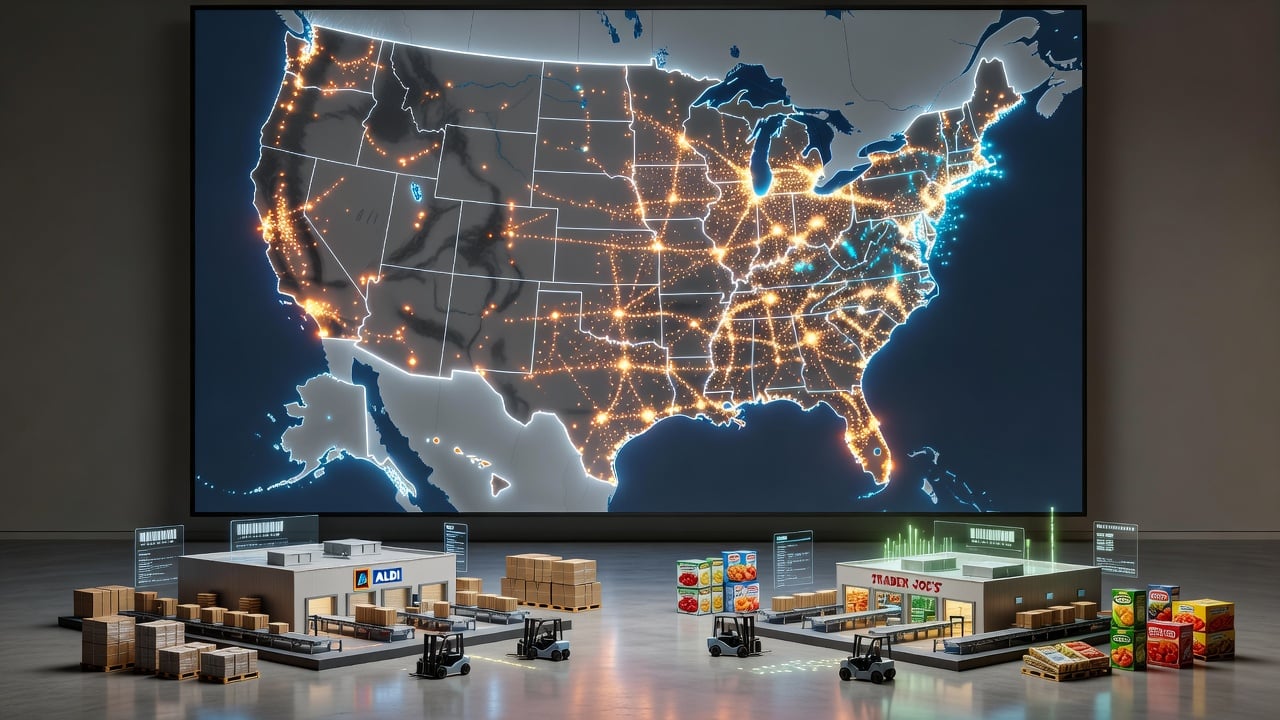
Discount chains are building at a pace not seen in years. Aldi alone targets more than 180 new U.S. locations in 2026. ALDI US calls it a milestone year. The German retailer marks its 50th anniversary in America by pushing its footprint toward nearly 2,800 stores.
Trader Joe’s moves with more restraint yet still meaningful force. The quirky favorite plans over 20 openings this year after 43 in 2025 and 34 the year before. Grocery Dive reported the latest batch of eight announced in late March. So far in 2026 the chain has opened two and listed 17 more across states where it already competes.
But why now? Shoppers hunt value harder than ever. Inflation scars linger. Walmart and Kroger dominate yet leave gaps that nimble players fill. Aldi, long known for tight aisles and private labels, drew 17 million new customers in 2025. Its CEO Atty McGrath pointed to demand in fresh neighborhoods. The company invests $9 billion through 2028. Three new distribution centers will support the surge: one each in Florida, Arizona and Colorado.
Aldi Charges Into New Territory
The expansion reaches places the chain once ignored. Colorado marks virgin soil. Aldi expects more than 50 stores in Denver and Colorado Springs within the first two years of a five-year push. Maine joins the roster with a Portland store. In the Southeast it converts former Southeastern Grocers sites. Nearly 90 already operate. Plans call for over 200 by end of 2027. Phoenix gains 10 stores this year. Las Vegas aims to double its count by 2030.
These moves reflect cold calculation. Aldi’s low prices attract buyers across income levels. CNBC noted the chain’s rapid climb to third-largest U.S. grocer by store count behind Walmart and Kroger. Its market share remains small compared with those giants. Yet foot traffic soared more than 50 percent from 2019 to 2024. New stores bring the brand closer to shoppers tired of high tabs.
Trader Joe’s follows a different rhythm. Its 2026 slate spreads across 14 or 15 states. California sees several. Washington, Illinois, New Jersey, Louisiana, Utah, Florida, Massachusetts, Kansas, Arizona and Georgia also appear on the list. A spokesperson told Grocery Dive the company sticks to existing markets. No dramatic leaps into unknown regions. The formula works. Viral products and friendly crews keep loyalists returning. After strong growth in 2025 the chain shows no sign of slowing.
Other players join the fray. Tasting Table outlined plans from multiple operators entering 2026. Sam’s Club schedules six warehouse clubs. Grocery Outlet and Lidl appear in certain forecasts though with smaller scale. Dollar General continues its long-running store blitz. The discount sector overall adds hundreds of locations while some traditional supermarkets trim weaker sites.
Real estate absorbs the activity. Empty big-box shells and former retailers become grocery outposts. Landlords welcome stable tenants who generate consistent traffic. Yet challenges exist. Labor shortages bite in some regions. Supply chains for private-label goods must scale fast. Aldi’s new distribution centers address part of that pressure. The Florida, Arizona and Colorado facilities will handle chilled and ambient products more efficiently.
Consumer habits shifted too. Online grocery grew but many still prefer physical stores for fresh produce and last-minute needs. Aldi upgrades its website and app in early 2026. Personalized recommendations, nutrition info and easier curbside options aim to blend digital convenience with in-store strength. The chain refreshed packaging as well. Small touches matter when competition intensifies.
Industry watchers see broader forces at work. Value rules. Even higher-income households clip coupons or seek deals. European discounters perfected the model years ago. Now they refine it for American tastes. Kroger and Albertsons wrestle with their own strategies after the blocked merger. Some regional chains retrench. The aggressive builders gain ground.
And the numbers add up. Aldi’s post-2026 goal sits at 3,200 U.S. stores by end of 2028. That pace requires flawless execution. New distribution muscle helps. So does data on where shoppers live and what they buy. The company converted dozens of former Winn-Dixie and Harveys locations in the Southeast. Those quick wins taught lessons now applied nationwide.
Trader Joe’s keeps its mystique. No splashy CEO quotes in recent announcements. Just steady additions. Locations in suburban pockets and growing cities. The chain avoids oversaturation. Each store feels discovery-driven. Fans line up for seasonal items and affordable wine. That cult appeal supports measured growth even as Aldi races ahead.
Local impact varies. New Aldi stores often bring lower prices to an area and pressure competitors to match. Jobs arrive though many are part-time. Communities gain convenient options. In Colorado the debut will test whether mountain-state shoppers embrace the no-frills format. Early signs from similar markets suggest yes.
Broader retail context matters. While some apparel and department stores close doors grocers expand. Over 900 new retail stores of various types are slated for 2026 according to recent tallies. Grocery leads part of that revival. Foot traffic at dollar stores and discounters held up better than at traditional malls during recent softness.
Still risks loom. Food inflation could ease or spike again. Tariffs on imports affect supply costs. Consumer spending power isn’t unlimited. Yet the current wave of announcements shows confidence. Chains studied post-pandemic patterns. They know where populations grow and where legacy players left voids.
Kiplinger earlier highlighted how chains like Costco also add warehouses to meet demand for bulk buys. The article noted racing to open stores across America. Similar logic drives the discount players. Scale brings efficiency. More stores spread fixed costs. Private label margins improve with volume.
So the building continues. Aldi breaks ground in new states. Trader Joe’s fills in gaps. Smaller concepts test formats. By year-end the map of American grocery will show denser coverage in dozens of markets. Shoppers gain choices. Investors watch same-store sales. Real-estate developers secure long-term leases.
The trend bears watching. Value-focused expansion defines this cycle. Whether it reshapes market shares permanently depends on execution in the months ahead. For now the cranes and grand-opening banners multiply. American grocery retail isn’t standing still.


 WebProNews is an iEntry Publication