
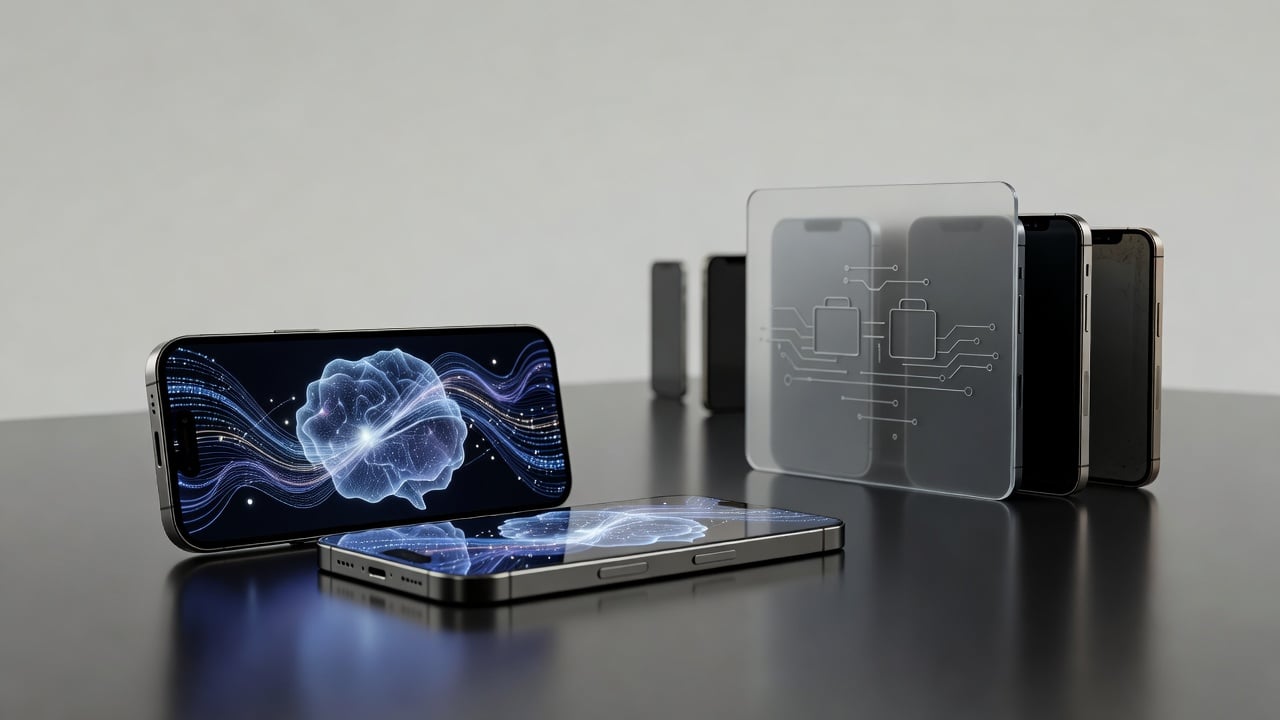
Apple finally delivered on years of promises this June. At its annual developer conference, the company unveiled Siri AI. A conversational assistant that pulls context from emails, notes and photos. It handles chained commands without breaking stride. Yet the upgrade comes with a sharp catch.
Only certain iPhones qualify. The divide splits users into haves and have-nots. And it reveals how hardware constraints now dictate software ambition at Apple.
The supported list starts with the iPhone 15 Pro and iPhone 15 Pro Max. It covers the full iPhone 16 lineup, including the standard, Plus, Pro, Pro Max and the newer 16e variant. Newer devices follow: every iPhone 17 model, the iPhone Air and the expected iPhone 18 Pro variants. That’s according to Apple’s official newsroom release (Apple Newsroom).
Owners of an iPhone 14 or older? They can install iOS 27. The update reaches back to the iPhone 11. But Siri AI stays locked out. No context-aware replies. No on-device foundation models. The assistant they receive remains the older version.
Hardware Gates Shape the AI Experience
Why the split? Apple Intelligence demands specific silicon. The A17 Pro chip in the iPhone 15 Pro models delivers the baseline performance. Newer A18 and A19 chips in the iPhone 16 and 17 families push further. Base iPhone 15 and earlier models simply lack the neural engine power and memory bandwidth.
Even among supported phones, differences appear. The most advanced on-device model requires at least 12GB of unified memory. It powers expressive voices that adapt tone and pace. It sharpens dictation accuracy on complex phrases. Those features reach the iPhone 17 Pro, iPhone 17 Pro Max and iPhone Air. They will extend to the iPhone 18 Pro series. Analyst reports suggest Apple may equip standard iPhone 18 models with only 9GB. That falls short of the threshold. (Engadget).
But a more powerful model alone doesn’t tell the full story. Siri AI blends on-device processing for speed and privacy with cloud offload for tougher queries. The system routes complex work to Private Cloud Compute servers. Apple says user data stays inaccessible to the company or third parties. The architecture echoes the privacy focus that defined earlier Apple Intelligence announcements. Yet rollout remains staggered. The new Siri arrives first as a beta this fall. Users must opt in. Initial language support covers English with more languages promised soon.
Recent coverage adds nuance. A 9to5Mac video from late June walks through the exact device list and explains why iPhone 16e qualifies while older base models do not (9to5Mac on YouTube). Macworld’s analysis three days after WWDC highlights that even some iPhone 17 buyers may miss premium voice features if they choose non-Pro variants (Macworld).
Industry watchers point to memory as the decisive factor. Ming-Chi Kuo, long-time Apple supply chain analyst, noted Apple eyes a bump to 9GB RAM on non-Pro iPhones. The company itself states its strongest on-device model needs 12GB. The gap leaves millions of devices capable of running iOS 27 but unable to tap the full AI assistant. Fragmentation grows. One user on X complained the limits feel like planned obsolescence. Another highlighted that iPhone 17 could still prove the smart buy if base iPhone 18 skips the advanced model.
Apple’s approach echoes past decisions. The company once drew clear lines around hardware for features such as ProMotion displays or always-on screens. AI raises the stakes. Each new model year widens the performance chasm. Owners of a three-year-old iPhone 14 Pro watch the latest software arrive without the headline assistant. They receive security patches and minor refinements. The conversational leap stays reserved for those who upgrade.
Developers gained access immediately after the keynote. Public beta follows in July. The stable release lands this September alongside the next iPhone lineup. Early testers describe the beta Siri as fast and accurate on supported hardware. It references personal data without repeated clarification. It maintains context across apps. Those gains matter for daily productivity. Yet they remain out of reach for a large share of the installed base.
Geographic restrictions add another layer. Siri AI skips China while regulators review. In the European Union, Mac and Vision Pro users gain access first. Mobile versions follow later as Apple works through privacy rules. The staggered availability shows how legal and technical hurdles intersect.
So the new Siri marks real progress. After multiple iOS versions that left the assistant largely unchanged, this version finally feels personal. It understands intent. It acts on multiple steps. But the rollout reminds everyone that Apple’s AI future favors its newest hardware. Older iPhones keep receiving iOS 27. They simply run a different, more limited version of the company’s flagship voice feature.
Analysts expect the strategy to drive upgrades. One recent X post noted Apple sits in its strongest position yet. The useful new assistant exists, but it can’t reach a billion devices. That gap may push consumers toward Pro models or the rumored foldable. Price increases could follow. Base models have held steady since 2019. Next year’s jump may reach several hundred dollars.
Apple has not commented on future RAM changes for the iPhone 18. Nor has it detailed exactly which Siri AI capabilities will stay cloud-only versus on-device. The coming months of beta testing will clarify performance on borderline hardware. For now, the message stays clear. Check Settings. Look for the Apple Intelligence & Siri section. If it appears, your phone made the cut. If not, the smarter assistant will have to wait for your next purchase.


 WebProNews is an iEntry Publication